Top CNC Lathe and Milling Machine Manufacturers in China?
China’s machine-tool sector includes manufacturers serving automotive, aerospace, medical, and general engineering workshops. Yet a familiar product photo tells you very little. When comparing a cnc lathe and milling machine, buyers should look beyond price and advertised accuracy. Spindle speed, axis travel, tool capacity, control system, and workpiece limits all affect daily production. So does the machine’s fit with existing operators and processes. Small details matter: a sample part, a clear inspection report, and a service contact who answers technical questions can reveal more than a glossy brochure.
This guide introduces leading Chinese manufacturers and the strengths buyers may want to investigate, rather than treating any list as a guarantee of quality. Company claims should be checked against current specifications, factory capabilities, customer references, and documented quality procedures. Ask how tolerances are measured, which components are sourced externally, and what commissioning support is available. A machine may cut impressively during a demonstration, then behave differently across a full shift. That gap deserves attention. There is no single best supplier for every shop, and comparing manufacturers takes more than one afternoon. The aim here is practical: help readers prepare sharper questions, weigh trade-offs, and identify a machine that suits their materials, workload, budget, and maintenance capacity.
Understanding CNC Lathes and Milling Machines in China
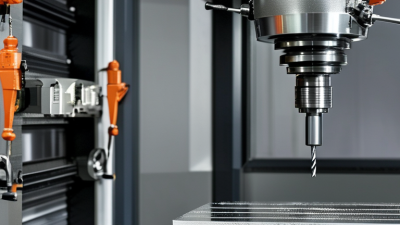
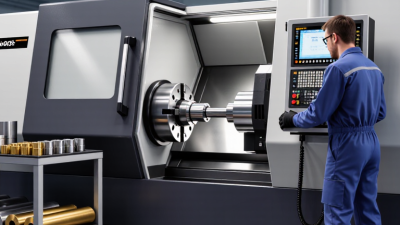
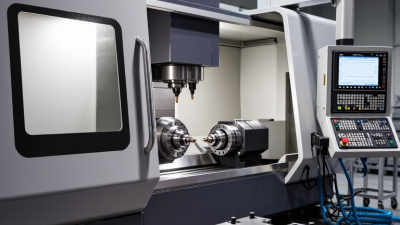
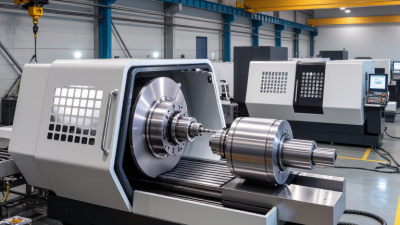
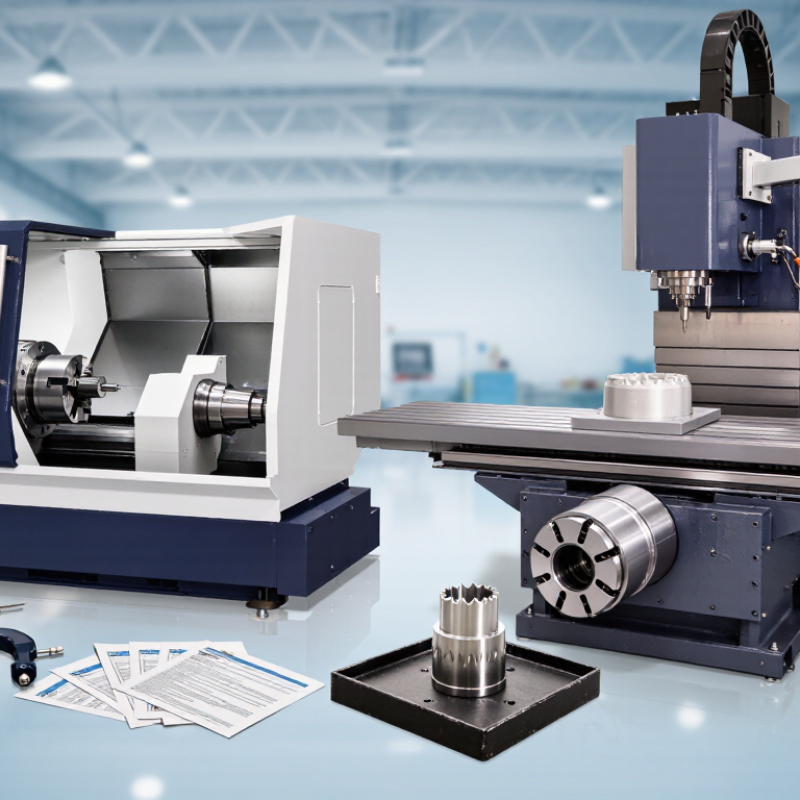
Understanding CNC lathes and milling machines in China starts with the cut each machine is designed to make. A lathe rotates the workpiece against a cutting tool, producing parts such as shafts, bushings, and threaded components. A milling machine holds the workpiece while rotating cutters shape slots, pockets, and flat surfaces. Some production systems combine both operations, but more axes do not automatically mean greater accuracy. That distinction matters. Match spindle speed, working range, chuck or table size, and tool capacity to real part drawings.
China’s machine-tool industry serves a wide range of production needs, from small workshops to high-volume factories. To compare suppliers, ask for a test cut using material and dimensions similar to your own. Check dimensions, surface finish, spindle runout, and repeatability after the machine warms up. A specification sheet can look tidy; the workshop may tell a less tidy story. Ask how the control system is supported and which replacement parts are kept available. A low purchase price may not reflect installation, operator training, or service response time. Those details deserve careful checking.
Top CNC Lathe and Milling Machine Manufacturers in China? — Understanding CNC Lathes and Milling Machines in China
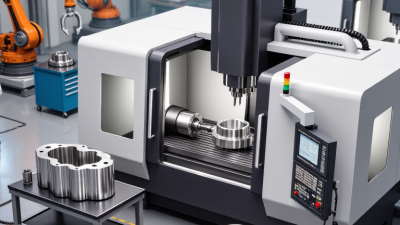
Common configurations include 2-axis CNC lathes and 3-axis vertical milling machines; milling machines may add a rotary axis or use five-axis control. These are typical configuration examples, not a ranking of manufacturers. Actual axis counts vary by machine and model.
How to Evaluate Chinese CNC Machine Tool Manufacturers
How to Evaluate Chinese CNC Machine Tool Manufacturers
A manufacturer’s brochure is only a starting point. Ask for the machine’s test records, including positioning accuracy, repeatability, and spindle runout. Then compare those figures with your part tolerances and production volume. Numbers need context. A stated accuracy is less useful without the test method, measurement conditions, and inspection date.
Request a live cutting demonstration using material and tooling similar to your own. Watch the surface finish, listen for vibration, and inspect chips after a sustained cut, not just a brief sample. Ask how the factory checks bed alignment and thermal drift. Small details matter. A neat showroom can be reassuring, but it cannot replace a documented factory acceptance test.
Check whether the supplier can provide wiring diagrams, maintenance schedules, and a clear list of standard components. Discuss operator training, response times, and the availability of replacement parts before placing an order. Speak with customers who run comparable machines, and ask what required adjustment after installation. These conversations may reveal gaps that a specification sheet misses. No evaluation is perfect; even careful buyers can overlook a detail when schedules are tight.
Leading CNC Lathe Manufacturers in China
China’s CNC lathe manufacturers serve a wide range of production needs, from compact turning centers to heavy-duty machines for large components. Their capabilities differ, so “leading” should mean a close fit for the work, not simply a large factory or an impressive catalog. Buyers can compare spindle speed, turning diameter, axis travel, and the machine’s ability to hold tolerances during long production runs.
Look closely at practical details. A rigid cast bed can help limit vibration, while a stable spindle and accurately indexed turret support repeatable cuts. Ask for a test part made from material similar to your own, then check surface finish, dimensions, and cycle time. Useful documentation matters, too: installation requirements, maintenance intervals, and clear control instructions can prevent avoidable delays. That part is easy to overlook.
Service deserves equal attention. Confirm which components are locally available, how technicians handle remote troubleshooting, and what training operators receive after installation. A low purchase price may not reflect the full cost of tooling, setup, or downtime. I would still ask for references from comparable users; machine specifications alone cannot show how a lathe performs after months of daily use. Manufacturers that answer technical questions directly and provide verifiable test results are easier to assess.
Leading CNC Milling Machine Manufacturers in China
China’s CNC milling machine manufacturers serve industries that need accurate parts, repeatable production, and flexible machine configurations. Their capabilities vary widely, from compact three-axis equipment to advanced multi-axis systems. Buyers should compare spindle speed, table size, tool capacity, and control options against the parts they actually produce. Details matter.
A useful supplier review goes beyond a catalog. Ask for machining samples, inspection records, and a live demonstration using material similar to your own. Check how the machine handles fine pockets, drilled holes, and long production runs. Clear answers about installation, operator training, spare parts, and response times can reveal how well a manufacturer supports equipment after delivery. Written specifications also help prevent mismatched expectations.
Factory visits can provide valuable evidence, but one polished demonstration is not enough. Observe assembly quality, cable routing, guarding, and the cleanliness of finished components. Request references from customers with comparable workloads, then verify what you can independently. A supplier may offer attractive customization, yet extra options can increase lead time and maintenance demands. This trade-off is easy to overlook. Even experienced buyers sometimes focus too heavily on purchase price; total operating costs deserve equal attention.
Comparing Manufacturers by Technology, Quality, and Support
Choosing a CNC lathe or milling machine manufacturer in China takes more than comparing spindle speed and price. Review control options, thermal compensation, tool-change repeatability, and performance with your actual material. Ask for a sample cut based on your part drawing. Chips, surface finish, and measured tolerances offer clearer evidence than polished factory photos. Not every supplier can provide the same level of detail.
Quality depends on repeatable checks, not one successful demonstration. Request inspection records, component specifications, and a written acceptance procedure. If possible, observe a test run and verify dimensions with calibrated instruments. Technology matters, but so does support: installation guidance, operator training, spare-parts availability, and response times. A capable manufacturer should explain limitations plainly. That is useful, though it can be easy to overlook when comparing quotations.
Tips: Share representative parts, materials, tolerances, and expected production hours. Ask who handles troubleshooting after installation. A factory visit or independent inspection may reveal details a document review misses.