Why Choose a CNC Turning Machine for Your Business?

Choosing the right production equipment can shape a business’s costs, quality, and delivery performance. A cnc turning machine may help manufacturers produce cylindrical parts with repeatable dimensions and controlled cycle times. It can handle components such as shafts, bushings, threaded fittings, and bearing seats. However, the best choice depends on material, part volume, tolerance requirements, and operator capability.

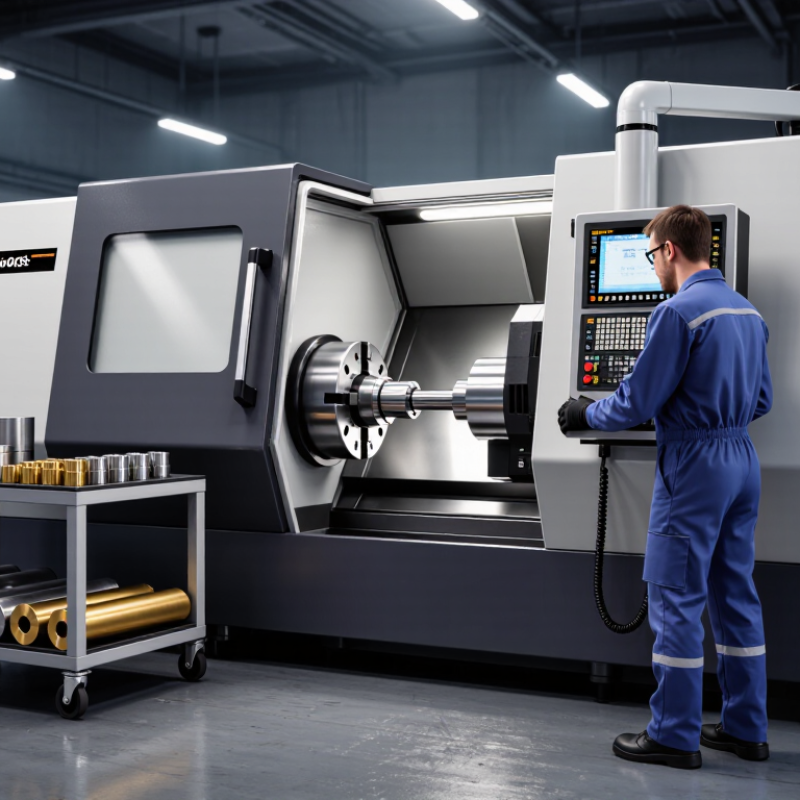
In practical workshops, the difference often appears beside the machine. A machinist loads bar stock, checks the tool offset, and measures the finished diameter with a micrometer. Small adjustments can reduce scrap when cutting steel, aluminum, or brass. Modern controls may also support consistent programs, live monitoring, and faster setup changes. These benefits matter when orders repeat weekly.

Not every business needs one.

This guide examines why companies consider a cnc turning machine, using practical production factors rather than promotional promises. It will explore accuracy, labor efficiency, flexibility, maintenance, safety, and potential return on investment. Reliable decisions should compare manufacturer specifications, sample parts, tooling costs, energy use, and service support. Speaking with experienced operators can reveal problems that brochures often omit.

The answer is not automatically yes. A machine may increase capacity, yet expose weak scheduling or insufficient training. Some shops may need a simpler solution first. Others may lose valuable time without automation or proper workholding. By weighing measurable evidence against real shop conditions, business owners can decide whether this technology supports sustainable growth. Expect useful advantages, but also a few uncomfortable questions.
Why Choose a CNC Turning Machine for Your Business?

What Is a CNC Turning Machine?

Why Choose a CNC Turning Machine for Your Business?

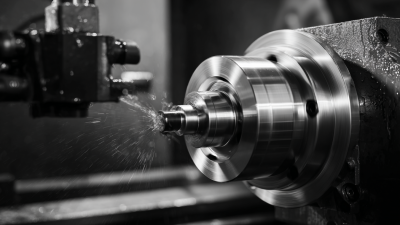
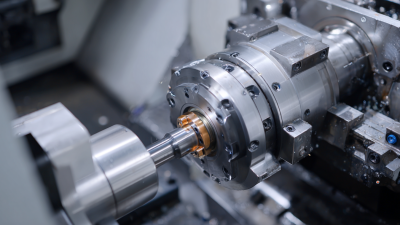
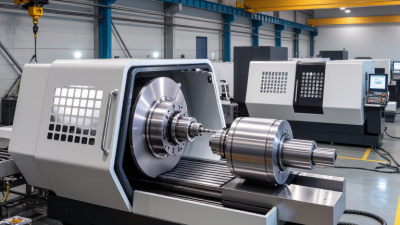
A CNC turning machine shapes a workpiece by rotating it against a cutting tool. The spindle holds the material firmly in a chuck. Computer-controlled movements then remove precise amounts of metal, plastic, or other suitable materials. This process creates round parts, shafts, bushings, threads, and tapered surfaces. Operators program tool paths from technical drawings. The machine follows those instructions with consistent speed and movement.

In daily production, CNC turning can improve repeatability and reduce manual handling. It also supports complex dimensions that are difficult to achieve by hand. However, accuracy depends on more than the machine. Tool wear, incorrect offsets, vibration, and poor material preparation can affect every part. Small errors multiply. A reliable workflow includes calibration, inspection, coolant control, and documented setup procedures. Even experienced teams sometimes overlook a worn insert. That mistake can become expensive.

Tips: Check the drawing before programming. Confirm material size and chuck pressure. Measure the first finished part carefully. Keep cutting tools sharp and records current. Do not assume every cycle is perfect. Review unusual sounds, rough surfaces, and unexpected dimensions before continuing production.

How Does CNC Turning Technology Work?

CNC turning begins with a digital part drawing. CAM software converts that drawing into toolpaths and G-code. The controller reads each command, then coordinates spindle speed, feed rate, and tool movement. The workpiece rotates inside a chuck, while cutting tools remove material from its outer or inner surface.

The process is mechanical, but feedback makes it precise. Servo motors move the turret along controlled axes. Encoders report position changes to the controller. If the tool drifts, the system can adjust movement within its programmed limits. ISO 230-2:2014 provides methods for evaluating positioning accuracy and repeatability in machine tools. These measurements matter when a shaft must hold a tight diameter across hundreds of parts.

Automation is expanding around these machines. The International Federation of Robotics reported 541,302 industrial robot installations worldwide in 2023. That figure does not measure CNC lathes directly, but it shows stronger demand for connected production cells. A turning machine may now work beside a robot, gauging station, and digital monitoring system. Still, automation is not perfection. Worn inserts, thermal growth, poor workholding, and incorrect offsets can ruin an otherwise accurate cycle. The numbers look impressive. Real shop floors are messier. Experienced operators still check the first component, listen for vibration, and question unexpected measurements.

What Business Benefits Does CNC Turning Provide?

A CNC turning machine can convert digital drawings into repeatable cylindrical parts with limited manual adjustment. That consistency supports tighter scheduling, fewer rejected components, and more predictable labor costs. In Deloitte’s 2023 Global Smart Manufacturing Survey, 86% of manufacturing executives said smart factory initiatives would become important for competitiveness within five years. CNC turning fits this direction through programmable processes and production data.

The business value appears on the shop floor. A machinist can load bar stock, verify the tool offset, and monitor the first finished part. After approval, the machine can repeat the cycle across a larger batch. This reduces variation between morning and night shifts. It also helps companies produce prototypes and regular orders on the same equipment. Tool wear remains a concern. Poor coolant control or an incorrect offset can damage several parts quickly. That risk requires inspection routines, operator training, and realistic process planning.

CNC turning can also improve material use. Accurate tool paths reduce unnecessary cutting and help engineers design smaller stock allowances. The International Energy Agency reports that industrial facilities remain major global energy users, so efficient cycle planning matters beyond labor savings. However, automation does not guarantee profit. A low-volume workshop may recover the investment slowly if programming, maintenance, and setup time are ignored. The strongest results usually come from measurable targets, such as reducing setup time by 20% or cutting scrap by five percentage points over one quarter. Small numbers matter.

Which Materials and Components Can It Process?

A CNC turning machine removes material while a workpiece rotates against a controlled cutting tool. This setup suits round parts with precise diameters, threads, grooves, and tapers. Common materials include carbon steel, stainless steel, aluminum, brass, copper, titanium, and engineering plastics. With suitable tooling, it can also process nickel-based alloys, although heat and tool wear become serious concerns.

Typical components include shafts, bushings, pins, spacers, couplings, threaded fittings, and hydraulic connectors. A bar feeder can produce hundreds of similar parts with limited operator handling. According to the 2024 World Machine Tool Survey by Gardner Intelligence, metal-cutting equipment remains a major share of global machine-tool demand. Grand View Research also projects strong growth in the CNC machine market through 2030, driven partly by tighter production requirements.

Material choice changes everything. Aluminum may allow high cutting speeds, while titanium needs slower feeds and careful heat control. Stainless steel often demands rigid workholding and sharp, stable tooling. Plastics can deform if clamping pressure is excessive. Small mistakes show quickly.

In practical production, engineers should check hardness, stock diameter, tolerances, surface finish, and chip control before selecting a machine. A turning center may create excellent shafts, yet struggle with large cross-holes or complex milling features. That limitation is easy to overlook. Trial cuts, measurement records, and operator experience remain essential, even when the software looks perfect.

How Should You Evaluate a CNC Turning Machine?

Evaluating a CNC turning machine starts with your parts, not the catalogue. Record material, maximum diameter, length, tolerance, batch size, and daily cutting hours. Then compare those facts with spindle torque curves, chuck capacity, turret stations, bar capacity, and axis travel. Peak speed is not enough. Steel may need low-speed torque, while aluminum rewards speed and effective chip control. Ask for a cutting trial using your own material. Measure cycle time, dimensional drift, surface finish, and chip evacuation after several parts. ISO 230-2 provides recognized methods for testing positioning accuracy and repeatability. Request the test conditions, not only a sales-sheet number. That detail matters.

Energy and support deserve equal attention. International Energy Agency analysis estimates that electric motor systems consume about 53% of global electricity. For a machine running eight hours daily, compare measured kWh per part, standby consumption, coolant load, and compressed-air demand. Small differences become visible on the utility bill. Check the control interface, probing options, offline programming, alarm history, and remote diagnostics. The U.S. Bureau of Labor Statistics projects 15% employment growth for industrial machinery mechanics from 2024 to 2034. Service access and training are practical investment criteria. Ask how quickly common parts arrive, who fixes electrical faults, and what training costs. I would also challenge my own spreadsheet. The cheapest machine may lose through setup time, rejected parts, or difficult maintenance. Numbers can mislead.

Why Choose a CNC Turning Machine for Your Business?

How Should You Evaluate a CNC Turning Machine?

This practical scorecard allocates 100% of the evaluation weight across the factors that most directly affect production performance, operating cost, and long-term business value. The percentages are an example decision framework and should be adjusted to match your parts, volumes, and workforce.