What Is the Best CNC VMC Machine for Your Needs?
Choosing the best cnc vmc machine is rarely about buying the largest spindle or the longest option list. It is about matching the machine to real production demands. Consider part size, material, tolerance, batch volume, tooling, operator skill, and available floor space. A compact VMC may outperform a larger model when it reduces setup time and improves visibility around the workpiece.
Industry data shows why this decision deserves careful analysis. The International Federation of Robotics reported 4.28 million industrial robots operating worldwide in 2023, reflecting stronger investment in automated production. Grand View Research also projects continued growth in the global CNC machine market through 2030. These figures suggest opportunity, but they do not identify one universal machine. A high-speed aluminum job needs different capabilities than a heavy steel component with deep pockets.
John Saunders, founder of NYC CNC, has repeatedly emphasized a practical principle: “The machine is only as good as the process around it.” That idea is easy to overlook. A machine with 12,000 rpm may still struggle if chip evacuation is poor. A powerful control may add little value without trained programmers and reliable inspection. The best choice begins with evidence: sample parts, cycle-time targets, maintenance records, and tooling costs. Even then, uncertainty remains. Real factories are messy. Operators adapt, materials vary, and early assumptions can fail. This guide compares the critical factors behind a confident, defensible cnc vmc machine investment.
What Is a CNC VMC Machine and How Does It Work?
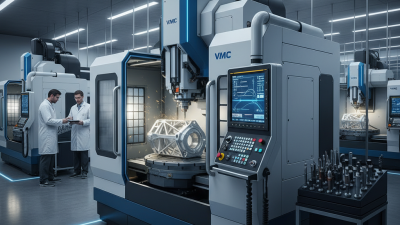
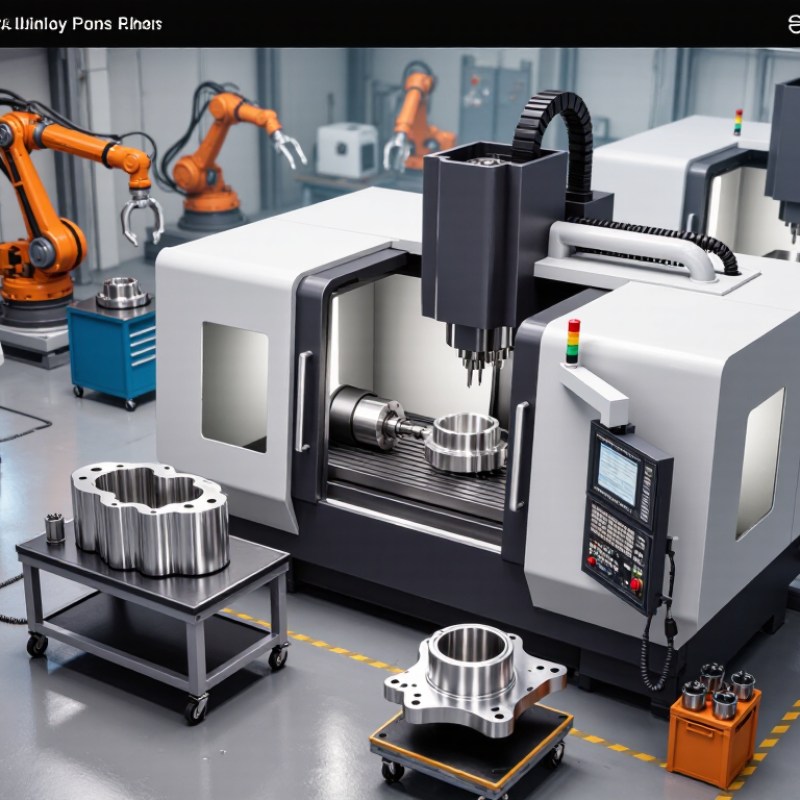
A CNC VMC machine is a vertical machining center controlled by programmed numerical code. Its spindle moves vertically, while the worktable positions the material along X and Y axes. Some models add a rotating fourth axis. The machine cuts, drills, taps, and pockets metal with rotating tools. A typical cycle starts with a digital drawing, toolpath software, workholding, and G-code. Sensors then monitor position, speed, and tool movement. ISO 230-2 specifies methods for testing positioning accuracy, which helps buyers compare machine performance reliably.
During operation, the spindle removes material layer by layer. Coolant carries away heat and chips. Automatic tool changers reduce interruptions between operations. In my experience, rigidity matters more than impressive screen features. A flexible frame can create chatter on a deep pocket. That assumption is often wrong. Cutting data, fixture strength, tool geometry, and operator skill affect results just as strongly.
The wider factory trend supports connected VMC systems. The International Federation of Robotics reported 541,302 industrial robots installed worldwide in 2023. Deloitte’s 2024 Smart Manufacturing Survey found that 92% of surveyed manufacturers viewed smart manufacturing as a major competitiveness driver. A VMC can feed production data into that environment through sensors and machine monitoring. Yet automation does not remove every problem. Poor calibration, incorrect tool offsets, and unstable material still produce scrap. Buyers should examine repeatability, spindle torque, travel range, control compatibility, service response, and real cutting samples before choosing a machine.
Which CNC VMC Specifications Matter for Different Applications?
The best CNC VMC machine depends on the workpiece, material, and production volume.
The right specifications change with every application. Start with workpiece size and required travel. Small aluminum parts may need fast spindle speeds and rapid tool changes. Large steel components need deeper travel, stronger rigidity, and higher torque.
That difference matters.
When I evaluate a VMC, I check spindle torque across its operating range, not only its maximum rpm. Thin cutters benefit from speed, while large tools need stable cutting force. A rigid table also reduces vibration during heavy milling.
Table load capacity matters when fixtures and steel parts become substantial. Leave extra travel room. Crowded setups often create avoidable problems.
Accuracy and repeatability should match the part’s tolerance. A probing system can reduce setup errors and verify work offsets between operations.
For unattended production, look closely at tool capacity, chip removal, coolant delivery, and fault monitoring. For prototypes, flexible programming and easy access may matter more than extreme automation.
I once prioritized spindle power and underestimated the value of visibility around the work area. That was an expensive lesson.
Ask for cutting tests using similar material, tooling, and depth of cut. Published figures can look impressive, but real performance depends on the complete setup.
Which VMC Features Improve Productivity, Control, and Operator Safety?
Choosing the best CNC VMC machine depends on how well its features support daily work. Productivity improves when rapid tool changes, reliable chip evacuation, and stable spindle performance reduce unnecessary pauses. A rigid structure also helps maintain accuracy during repeated cutting cycles.
Control features matter just as much. An intuitive interface lets operators adjust feeds, offsets, and tool data with fewer mistakes. Simulation functions can reveal collisions before machining begins. Probing systems improve setup consistency, especially when several parts require the same reference points. From practical experience, clear alarms are more valuable than complicated screens. Operators need useful information quickly.
Safety must remain visible during production. Interlocked doors, guarded work areas, emergency stops, and automatic lubrication systems reduce avoidable risks. Good lighting helps operators inspect tools and workholding without opening the enclosure. Still, no machine removes the need for training. That is where many plans become imperfect.
Tips: Test the control interface before purchase. Watch a complete setup cycle, not only a cutting demonstration. Ask how easily operators can clean chips, replace tools, and recover from alarms. Measure sound, access, and visibility on the shop floor. A feature that looks impressive may slow production if workers cannot use it confidently.
What Is the Best CNC VMC Machine for Your Needs?
A suitable VMC spindle-speed range depends on the material, tool diameter, surface-finish requirements, and production volume. The ranges below represent common industrial reference values rather than brand-specific specifications.
Higher spindle speeds can improve productivity when machining aluminum, molds, and small tools. For heavy steel cutting, rigid construction, stable control, automatic tool monitoring, guarded work areas, interlocks, and clear operator access are equally important for control and safety.
How Can You Compare Costs, Maintenance, and Long-Term Value?
When comparing CNC VMC machines, the purchase price is only the visible portion of the investment. A lower quote may exclude installation, tooling, operator training, freight, or software updates. Request an itemized quotation before making any decision. Include electrical work and foundation preparation. Small omissions become expensive surprises. I once compared two machines using only their quoted prices. That approach was incomplete.
Maintenance costs deserve equal attention.
Ask for documented service intervals, lubrication requirements, filter prices, and typical spindle repair costs. Review the warranty carefully, including labor coverage and response times. A machine that stops production for three days can cost more than routine maintenance for a year. Speak with experienced operators when possible. Their practical comments often reveal noise, chip removal, or access problems that brochures ignore. Keep service records from the first operating day.
Long-term value depends on reliable output, not impressive specifications alone. Estimate productive spindle hours, expected accuracy, energy use, and annual downtime. Compare these figures with your actual workload. A faster spindle may have little value if your parts require frequent inspection and slow cutting. Resale value also matters, but it should not control the decision. My first estimate overlooked operator training time. That mistake changed the real payback period by several months. Recheck the calculation using conservative production numbers, realistic maintenance delays, and a modest scrap rate. Perfect forecasts are rare. Reliable assumptions are better.