What is a Home Shop CNC Machine and How to Choose One?
A home shop CNC machine is a powerful tool for hobbyists and small business owners. It allows users to create detailed designs and precise cuts in various materials. With the rise of DIY projects, these machines have become increasingly popular in home workshops.
Choosing the right home shop CNC machine can be daunting. Many options exist, each with unique features and capabilities. Factors like budget, size, and intended use should be considered. A user might feel overwhelmed by the choices. Reflecting on personal needs can lead to better decisions.
Investing in a home shop CNC machine can open up endless possibilities. However, careful research is essential. Understanding what works best for specific projects will help avoid disappointment. This journey requires patience and a willingness to learn. Embrace the challenge to master this remarkable technology.
What is a Home Shop CNC Machine?
A home shop CNC machine is a powerful tool for hobbyists and small manufacturers alike. It allows users to produce precise parts and intricate designs right at home. These machines can carve, drill, and mill various materials, making them versatile for many projects. The ability to automate these processes is a game changer. However, not all machines are created equal, and choosing the right one requires thought.
When selecting a home shop CNC machine, consider your primary projects. Will you be working with wood, metal, or plastics? Each material requires different specifications. Pay attention to the machine's spindle power and bed size. Smaller machines may struggle with larger materials. User reviews also provide insights into reliability and performance. Remember that no machine is perfect; each has its limitations. A machine might excel in precision but lack speed, or vice versa.
Think about your experience level, too. Beginners might benefit from user-friendly controls. More advanced users may seek extra features or capabilities. Beyond technical specs, consider your workspace. Do you have enough room for the machine and necessary accessories? Reflect on these aspects carefully before making a decision, as it influences your shop's efficiency and your satisfaction with the machine.
Key Features of Home Shop CNC Machines
A home shop CNC machine is a versatile tool for hobbyists and professionals. When selecting a CNC machine, consider key features that can significantly affect its performance and usability.
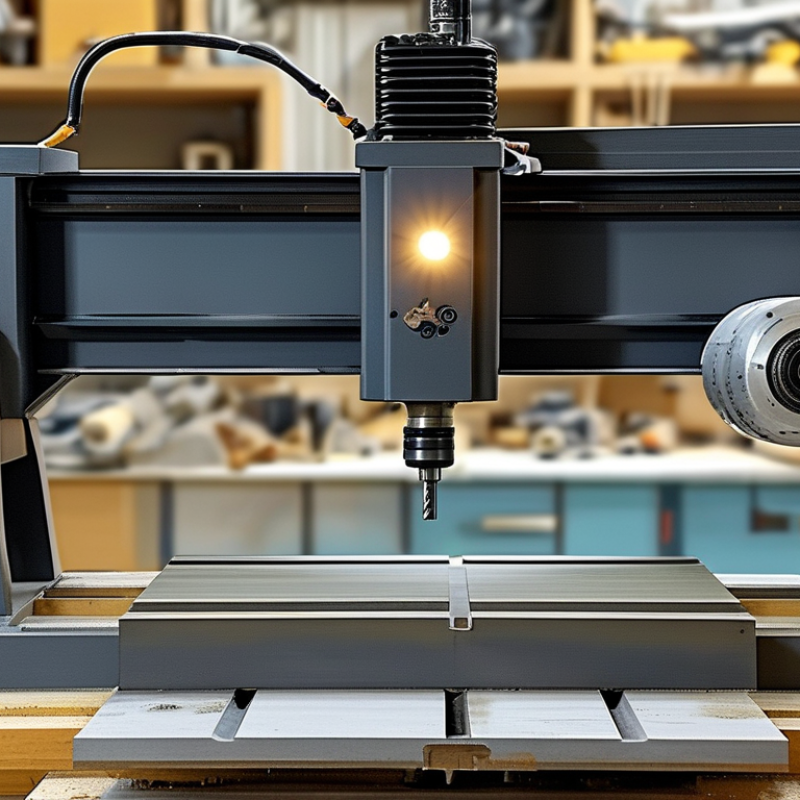
One crucial aspect is the machine's size and workspace. A typical desktop CNC has a working area ranging from 12" x 12" to 36" x 24". Ensure this size fits your project requirements. The material compatibility is also essential. Many entry-level machines handle wood and soft metals; however, advanced models can work with harder materials like aluminum.
Another vital feature is the control software. It should be user-friendly and compatible with common design files, such as DXF or STL formats. Reports suggest that 70% of CNC users value software that allows easy design modifications.
Tips: Always review user manuals. Familiarize yourself with machine maintenance. Look for online forums and communities for support. They can provide invaluable insights.
Finally, consider the machine's build quality. Sturdier machines tend to produce more precise cuts. However, higher durability often comes at a greater cost. Reflect on your budget and long-term plans. It's a balance between quality and affordability.
Types of Home Shop CNC Machines Available
Home shop CNC machines have become increasingly popular among hobbyists and small business owners. There are various types of these machines, each catering to different needs. The most common types include CNC routers, CNC mills, and CNC plasma cutters. According to a recent industry report, the global CNC machine market is expected to reach $100 billion by 2025. This growth reflects the rising demand for precision machining in home workshops.
CNC routers are ideal for woodworkers and craftsmen. They offer the ability to cut, carve, and engrave complex designs in wood and acrylic. In contrast, CNC mills provide heightened capability when working with metals. They can create intricate parts and prototypes more efficiently than traditional methods. Another option, CNC plasma cutters, are excellent for cutting through certain metals with speed and accuracy. Each machine has unique specifications, which means users must assess their project needs carefully.
Choosing the right machine requires understanding their specifications. Factors like spindle speed, cutting area, and software compatibility play crucial roles. A critical consideration is the user’s level of expertise. Beginners may struggle with complicated software, while advanced users might look for features to enhance productivity. It's essential to identify these factors to avoid costly mistakes in equipment selection. Investing time in understanding options can lead to significant improvements in craftsmanship.
Factors to Consider When Choosing a CNC Machine
When selecting a home shop CNC machine, several key factors come into play. The size and type of materials you plan to work with are crucial. A study from the International Federation of Robotics indicates that 30% of home machinists prefer compact, desktop models due to limited workspace. While larger machines can handle diverse jobs, they often require more setup space and investment.
Precision is another essential factor. According to industry standards, achieving a resolution of at least 0.01 mm is vital for intricate designs. However, many entry-level machines may not meet this threshold. Evaluating the spindle speed is also important. A faster spindle can significantly reduce machining time, yet it may generate more heat, leading to wear and tear.
Software compatibility often gets overlooked. Advanced CNC machines require specific software for design and operation. According to a recent survey by the Association for Manufacturing Technology, 40% of users struggle with software integration. It highlights the importance of ensuring that the machine can seamlessly work with CAD/CAM software you plan to use. Be mindful of these aspects during your selection process.
Tips for Setting Up Your Home Shop CNC Machine
Setting up a home shop CNC machine can be an exciting yet challenging endeavor. It’s essential to have a clear plan to maximize your workspace and resources. Start by measuring your designated area accurately. Ensure that you have enough room for the machine and comfortable movement around it. Good lighting is vital. Consider using LED lights to brighten your workspace.
When selecting a CNC machine, think about the materials you plan to work with. Some machines suit specific materials better than others. Research various types of CNC machines for wood, metal, or other materials. Choose a reliable machine that can handle your intended projects. Remember, a more expensive machine isn't always the best choice for beginners.
Setting up your CNC machine requires patience and precision. Level the machine properly to avoid calibration issues. Ensure that all parts are assembled according to the manual. Don't rush this process; take your time to understand each component. After setup, run a few test cuts. If something goes wrong, don’t hesitate to revisit your setup steps. This trial-and-error approach is part of the learning curve.