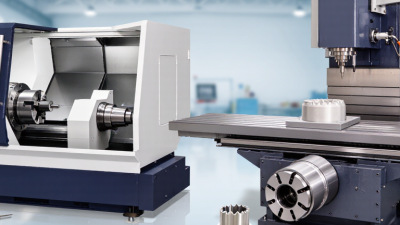
7 Tips for Choosing a CNC Lathe and Milling Machine
Choosing a cnc lathe and milling machine is not a catalog exercise. It is a production decision that affects part accuracy, operator time, and delivery schedules. A machine that looks impressive on a showroom floor may be poorly matched to your actual work. Start with the parts you make: their materials, diameters, tolerances, batch sizes, and common features. A stainless-steel shaft with a tight bore has different needs from a short aluminum housing with several milled faces.
Manufacturing quality expert W. Edwards Deming is widely associated with the reminder, “Quality is everyone’s responsibility.” That idea matters when selecting equipment. Reliable results depend on more than the machine itself. Tooling, programming, maintenance, and operator training all shape what comes off the spindle. Seven practical tips can help you assess machine configuration, working capacity, spindle performance, control compatibility, tooling, service support, and total ownership cost. Check the details against real jobs, not just advertised specifications. A 12-inch chuck, for example, means little if your longest workpiece cannot clear the enclosure or tailstock. Ask for a demonstration using material and tooling similar to yours. Even then, a shortlist can miss something. That is worth admitting before a costly purchase. Compare the machine’s capabilities with your current workload and likely future orders, while avoiding features you cannot justify. The right choice is rarely the machine with the longest specification sheet. It is the one your team can run safely, maintain consistently, and use to make good parts day after day.
Define the Machining Tasks and Production Requirements
Before comparing machine specifications, define the parts you need to produce. Note their materials, dimensions, tolerances, and surface-finish requirements. A short steel shaft may need accurate turning, while a flat face or bolt pattern calls for milling. Parts with both features may require a machine that can perform both operations efficiently. Be specific. “Small components” is not a useful production brief.
Estimate how many parts you need per shift, week, and year. Include setup time, tool changes, inspection, and expected downtime—not just cutting time. A run of ten varied parts may favor quick changeovers and flexible programming. Hundreds of identical parts may put more weight on cycle time and repeatability. Measure real demand where possible. Forecasts can be wrong, especially when orders fluctuate.
Translate these requirements into machine capabilities. Check the work envelope against your largest part, and consider spindle capacity, tool options, and the materials you cut. Allow room for fixtures and safe tool access. A machine that barely fits the part can complicate setup. Also consider who will operate and maintain it. A detailed requirement list helps, but it may miss awkward loading or chip buildup; review the actual parts and workflow before deciding.
Compare Machine Types, Capacity, and Workpiece Compatibility
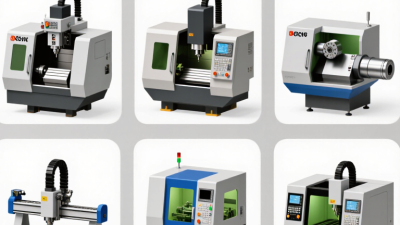
Choosing between a CNC lathe, a milling machine, or a combination machine starts with the part’s geometry. A lathe suits rotational work, such as shafts with turned diameters and grooves. A mill handles flats, pockets, and off-center holes. A mill-turn machine can reduce handling, but its extra capability may mean higher cost and more setup complexity. More capability is not always better.
Match capacity to actual parts, not optimistic estimates. Check maximum turning diameter, swing, distance between centers, spindle bore, and bar-feeder clearance. For milling, compare X, Y, and Z travel with the largest fixture and tool assembly installed. Leave room for clamps and chip evacuation. A part may fit the table but collide with the spindle head. Easy to overlook.
Workpiece material matters, too. Long steel bars need adequate support and spindle capacity; thin aluminum components may need careful clamping to avoid distortion. Review cutting-force needs, tool availability, and coolant requirements against your material mix. The International Federation of Robotics’ World Robotics 2024 report recorded 541,302 industrial robot installations worldwide in 2023. That figure is not a machine-selection guide, but it signals why automation interfaces can matter: check robot access, door clearance, and part-transfer space before buying. I would still revisit the part mix; forecasts change, and a machine chosen for one unusual job can sit underused.
Evaluate Precision, Spindle Power, and Control Features
Tip 1: Verify precision on the machine, not only in the brochure. Ask for a recent acceptance-test sheet showing positioning accuracy and repeatability for each axis. ISO 230-2 describes tests for these measurements on numerically controlled machine tools. Cut a sample part, then measure its bore and shoulder with calibrated equipment. Warm-up, tool wear, and temperature can shift results. Small changes matter.
Tip 2: Match spindle power to your actual materials and cutters. A high power rating is not enough; check torque across the working speed range. For steel, steady torque at lower speeds may matter more than peak power. For aluminum, higher speeds can help, if the tooling and setup support them. Review duty-cycle data, too. A spindle that runs hot during a long cut is a costly surprise.
Tip 3: Check whether the control makes routine work clear. Look for readable tool offsets, reliable probing routines, and alarms operators can act on. Grand View Research estimated the global CNC machine market at USD 101.22 billion in 2023, with projected annual growth of 5.5% through 2030. That market figure shows strong investment, not a guarantee of fit. Ask for a hands-on trial using your part program. A menu can still feel awkward.
Assess Tooling, Automation, and Ease of Operation
Tooling determines whether a CNC lathe and milling machine can handle real production, not just sample parts.
Check spindle interfaces, turret capacity, tool length limits, and whether standard holders fit your existing inventory. Ask operators to run a tool change while the machine is idle. A slow changeover can quietly consume production time. Small details matter. Coolant access and chip clearance deserve attention too; a crowded work envelope can make routine maintenance frustrating.
Automation should match your workload.
The International Federation of Robotics reported 4.28 million industrial robots operating worldwide in 2023, a 10 percent increase from 2022. That growth signals wider adoption, but a robot is not automatically the right choice. Consider whether parts repeat often enough to justify loading systems, bar feeders, or pallet changers. Check recovery steps after a stoppage. If restarting requires a specialist, automation may create a new bottleneck.
Ease of operation affects both output and training.
The 2024 Deloitte and Manufacturing Institute talent study projected that U.S. manufacturing could need 3.8 million workers by 2033, with 1.9 million jobs potentially unfilled. Clear controls, readable alarms, and accessible setup screens can help teams learn faster. Have a newer operator set a tool offset and recover from a simulated alarm. Watch where they hesitate. A polished demo may not reveal the awkward parts.
Review Total Cost, Service Support, and Machine Testing
A CNC lathe-and-mill quote is only the starting point. Compare five-year costs for tooling, fixtures, coolant, electricity, training, software, and service travel. Include installation and floor preparation. A low purchase price can hide expensive upkeep. That gap matters.
Tip: Ask what service includes before comparing offers. Check response times, remote support, spare-parts availability, and commissioning. The U.S. Department of Energy’s Operations & Maintenance Best Practices guide reports that effective O&M programs can reduce energy use by 5–20%. This is a facility-level benchmark, not a guaranteed saving for one machine. Still, it shows why maintenance planning belongs in the budget. I would also ask who handles troubleshooting after installation; that detail is easy to overlook.
Tip: Test the machine with evidence, not promises. Request documented geometric checks and axis-positioning results aligned with ISO 230-1 and ISO 230-2. Then machine a representative sample part using your material, tooling, and tolerances. Measure it independently, including bore size and surface finish. A showroom demonstration may look clean, but your actual setup can behave differently. Record the test conditions and acceptance limits before purchase.
7 Tips for Choosing a CNC Lathe and Milling Machine
Compare total cost, service support, and machine testing alongside the other key purchase factors.
The scores are an illustrative 1–5 buyer-priority scale, not measured market data. Use them as a starting point, then adjust priorities to fit your parts, production volume, and budget.