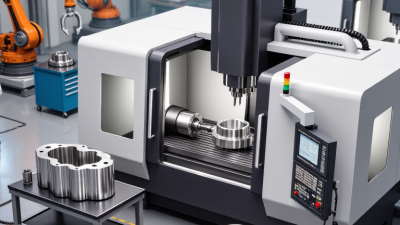
10 Best VMC Milling Machines for CNC Machining in 2026?
A vmc milling machine can look impressive on a specification sheet and still disappoint on the shop floor. Spindle speed matters, but so do tool-change time, control usability, thermal stability, and the rigidity needed for a clean finish. A heavy casting helps. So does a machine that holds position after hours of cutting. Small details count.
Machining educator John Saunders offers a useful principle: “Judge a VMC by the parts it repeats, not the numbers on its brochure.” Buyers should test that idea against their own work. A compact aluminum housing has different demands from a deep steel pocket or a production run of fixtures. There is no universal winner. Sometimes a less powerful machine is the sensible choice; sometimes, it becomes a costly limitation.
This 2026 guide compares ten VMC options through practical shop-floor criteria: travel, spindle capability, control features, service access, and expected workload. We also consider the space around the machine. Can an operator reach the tool magazine easily? Will chips clear from a deep cavity? Can the shop maintain the spindle without losing a week? Those questions are easy to overlook. They matter.
Specifications still matter. But they are only part of the decision. Use the shortlist to identify machines worth examining, then confirm configurations, service support, and test-cut results with the supplier. A brochure cannot prove repeatability. A real cut can.
What Defines a Vertical Machining Center for CNC Milling?
A vertical machining center (VMC) is a CNC machine with a vertically oriented spindle. Its cutting tool approaches the workpiece from above, while the table moves along the X and Y axes and the spindle or column provides Z-axis movement. That three-axis layout suits face milling, drilling, and pocketing. Rotary axes may be added for angled features. A VMC is not defined by its enclosure alone.
ISO 10791-1:2015 sets out geometric accuracy tests for machining centers, including machines with vertical spindles. These tests examine axis alignment and movement, not just a brochure’s positioning-accuracy figure. The distinction matters: a machine can meet a positioning specification yet produce poor parts if the tool, fixture, or workpiece shifts. Small details count.
A tool changer, rigid table, coolant system, and chip removal equipment support repeatable production, but configurations vary. ISO 10791-7:2020 assesses machining accuracy using test pieces, offering a practical reference beyond machine specifications. For example, when milling a deep aluminum pocket, spindle reach, tool deflection, and chip evacuation can affect the final wall finish. A VMC’s real capability depends on the whole setup, not one impressive number. That is easy to overlook.
Which Criteria Matter When Comparing VMCs in 2026?
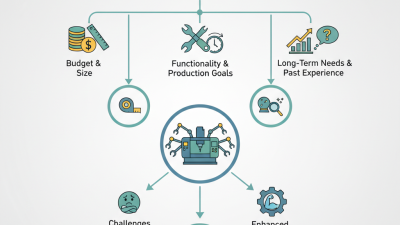
Comparing VMCs in 2026 starts with the parts you actually make, not the largest numbers on a specification sheet. Check the X, Y, and Z travel against your biggest workpiece, fixture, and tool clearance. A machine may offer ample travel yet leave little room for a tall vise or rotary table. Measure the complete setup. Then compare table load and working area with your heaviest routine jobs, not just occasional projects.
Spindle speed matters, but so do torque, taper, and duty cycle. Aluminum work may benefit from higher speeds; tougher alloys often need stable torque at lower speeds. Ask for test-cut data using a material and tool diameter close to yours. Look closely. Also assess positioning accuracy, repeatability, thermal compensation, and the control’s probing workflow.
A smooth demo cut does not prove consistent results after hours of production. Chip evacuation and coolant delivery deserve attention too; packed chips can mark a finished surface or interrupt a long cycle. Finally, verify tool capacity, service response, installation needs, and operator training. I have seen buyers focus on spindle power and overlook chip handling. That is an easy mistake, though the ideal balance still depends on your parts, tolerance targets, and production mix.
Ten VMC Milling Machines to Consider for CNC Machining
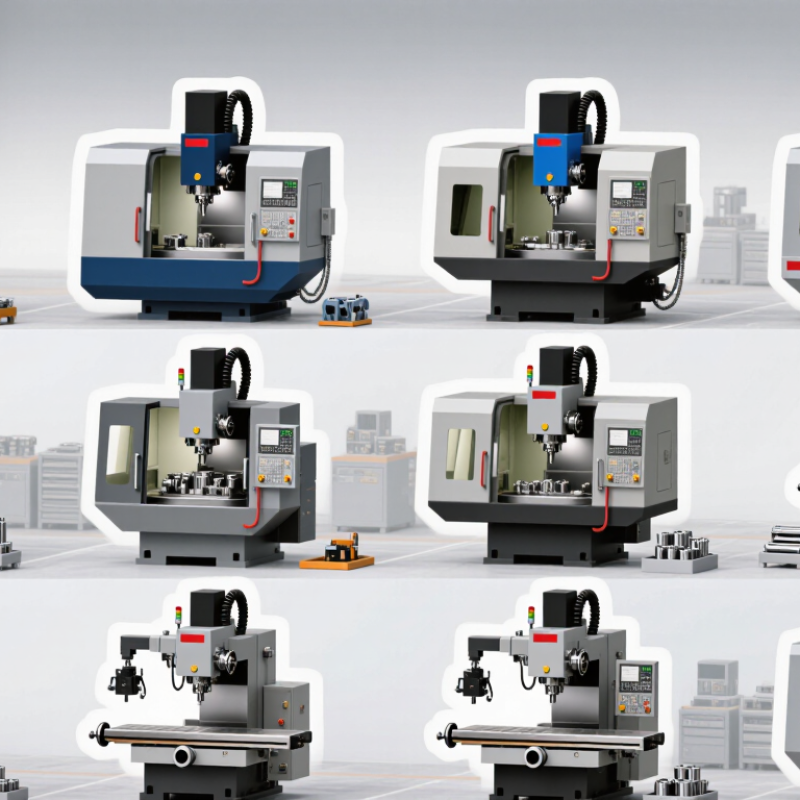
A VMC shortlist should match the work, not just the machine’s advertised speed. Consider ten configurations: a compact three-axis mill for small parts; a general-purpose three-axis model for mixed jobs; a high-speed spindle machine for aluminum; and a high-torque model for tougher cuts. Each suits a different balance of material, part size, and cycle time.
Other candidates include a box-way machine for heavier cutting, a linear-guide model for faster moves, and a three-axis VMC prepared for a fourth-axis rotary table. A trunnion-style five-axis machine can reach multiple faces with fewer setups. Large-travel models accommodate longer components, while twin-pallet machines can reduce loading delays. Details matter. Check work-envelope dimensions against the largest fixture, not only the part. Compare spindle torque curves, tool capacity, coolant delivery, and chip evacuation for your actual materials.
Do not choose from specifications alone. Ask for a test cut using a representative tool and material, then inspect finish and dimensions after the machine warms up. Thermal drift can surprise you. Also confirm service access, control usability, and local technical support. A fast machine may still be the wrong fit if setups are awkward or operators spend time clearing chips. The shortlist is only a starting point; production results depend on tooling, programming, maintenance, and the shop’s real workload.
How the Featured VMCs Compare in Capacity and Performance
The ten VMCs should be compared by usable work envelope, not table size alone. A long casting may fit the table but collide with the spindle housing or tool changer. Check X, Y, and Z travel, table load, and the distance from spindle nose to table. Then match those figures to the actual part and fixture.
A compact machine may suit small aluminum housings, while a larger work zone helps with tall parts and multiple setups. More travel is not automatically better. It can bring a larger footprint and slower rapid moves.
Performance needs equally careful reading. Spindle speed helps with small cutters, while torque matters more for heavier cuts; neither figure alone predicts cycle time. Compare acceleration, tool-change time, and positioning repeatability under consistent test conditions. ISO 230-2:2014 specifies methods for evaluating positioning accuracy and repeatability of numerically controlled axes, making like-for-like measurement more useful than brochure claims.
Automation also shapes throughput: the International Federation of Robotics’ World Robotics 2024 report counted 4,281,585 industrial robots operating worldwide at the end of 2023. That is not a VMC performance benchmark, but it shows why pallet access and robot-ready interfaces matter. A fair comparison still depends on the cut. Test the machine with your material, tooling, and fixture; published specifications leave some shop-floor surprises unresolved.
Which VMC Features Suit Different Machining Applications?
Choosing a VMC starts with the parts, not the machine’s headline specifications. A shop cutting aluminum housings may value high spindle speed, rapid tool changes, and effective chip evacuation. Steel parts often benefit more from spindle torque at lower speeds and a rigid structure that resists cutting forces. For tall molds, check Z-axis travel and tool clearance; a long tool can reduce rigidity. Small details matter.
Table size and load capacity should match real fixtures, not just the largest workpiece. A fourth axis can reduce repeated setups for angled features, but it adds cost and programming demands. A probing system helps verify workpiece position and catch setup errors. It does not replace careful inspection. For long production runs, a larger tool magazine and automatic pallet changing may reduce idle time. For short runs, they may sit unused.
Coolant delivery, enclosure design, and chip conveyors affect daily work. Through-spindle coolant can help with deep holes, while a simple washdown setup may suit less demanding jobs. Thermal compensation can improve consistency, though results still depend on maintenance and shop temperature. A fast spindle sounds appealing. It may be the wrong priority. Compare sample cutting conditions, fixture plans, and service access before choosing a machine.
Related Posts
-
What Is the Best CNC VMC Machine for Your Needs?
-
What Are the Top China CNC VMC Machine Suppliers?
-
2024 Ultimate Guide to Best Mill Turn Machines for Global Buyers
-
How to Choose the Best CNC VMC Machine for Your Needs?
-

Top China VMC Milling Machines for Global Buyers in 2026?
-

Best VMC Milling Machines for Efficient Manufacturing Solutions?