How to Choose the Best Home CNC Machine for Your Needs?
Choosing the right home CNC machine can be challenging. With numerous options available, it is crucial to understand your needs. Factors like project type, material, and budget significantly influence your decision.
Consider what you plan to create. Will you be working with wood, metal, or plastic? Different machines excel in different areas. Pay attention to the machine's specifications, such as cutting size and precision. These details matter for your projects.
Moreover, think about your skill level. Are you a beginner or an experienced user? Some machines are user-friendly, while others may require technical expertise. Reflect on these aspects before making a purchase. A home CNC machine should meet your unique requirements while enabling your creativity.
Understanding Your CNC Machining Needs and Goals
Choosing the best home CNC machine requires a clear understanding of your needs and goals. Consider the materials you will work with. Will you be cutting wood, plastic, or metal? Each material has different requirements. For example, a machine capable of handling metal will often be more complex and expensive. Knowing your primary projects will guide you toward the right machine.
What are your skill levels? Beginners might prefer a user-friendly CNC machine. Advanced users may seek machines with more features. The learning curve can be steep. Invest time in tutorials and community forums. They provide valuable insights and can enhance your knowledge.
Don't overlook the machine's size and workspace. Ensure your workspace can accommodate the unit. The best machine is useless if it doesn’t fit. Think about your long-term goals as well. Will you expand your projects in the future? Always plan for growth. Adjustments may be necessary down the road, as your interests evolve.
How to Choose the Best Home CNC Machine for Your Needs?
| Feature |
Description |
Recommended Use |
| Machine Type |
Desktop CNC, Router, Mill, 3D Printer |
Small-scale projects, prototyping, detailed engraving |
| Axis Configurations |
2-axis, 3-axis, 4-axis |
Simple cuts, complex shapes, multi-axis machining |
| Cutting Area |
Variations from 12"x12" to 48"x48" |
Size of projects, material dimensions |
| Material Compatibility |
Wood, Plastic, Metal, Composites |
Type of projects and materials to be used |
| Software Compatibility |
Compatible with various CAD/CAM software |
Ease of design and integration with existing workflows |
| Price Range |
$200 to $5000+ |
Budget considerations, features needed |
| Ease of Use |
User-friendly interfaces, tutorials available |
Beginner-friendly, advanced settings for experts |
Key Features to Consider When Choosing a Home CNC Machine
When selecting a home CNC machine, various features impact your experience. One primary consideration is the machine's size and work area. It's crucial to know the materials you plan to work with. Larger projects often require a more spacious work area. However, larger machines may take up significant space and require more power.
Next, examine the types of materials compatible with the CNC machine. Many can handle wood, plastic, and metal, but understanding material limits is vital. Some machines may struggle with specific materials, leading to unsatisfactory results. Research user reviews and forums for real-world experiences to inform your decision.
Lastly, consider the software that accompanies the CNC machine. User-friendly software can simplify your workflow. Complicated interfaces can discourage new users. Explore options for customer support and online communities for help, as these can enhance your learning curve. This approach helps create a more fulfilling CNC journey, but be conscious of any limitations you might face based on your skills and project ambitions.
Types of Home CNC Machines: Pros and Cons Overview
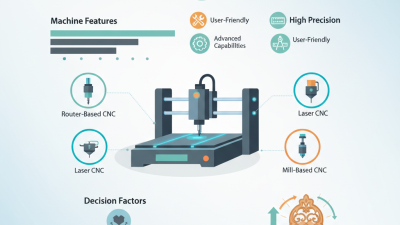
When selecting a home CNC machine, understanding the different types is crucial. Each type comes with distinct advantages and limitations. For instance, filament-based CNC routers are popular for their affordability and ease of use. According to a recent industry report, about 40% of hobbyists prefer these machines for basic woodworking and crafting projects. However, they can struggle with more complex materials.
On the other hand, laser engravers excel in precision. Industry data shows they provide high-quality results for detailed designs. However, they tend to be more expensive and require better ventilation during operation. Users often report challenges in material compatibility, which can lead to frustration.
Lastly, plasma cutters are powerful options for metalwork. They can handle thick materials but are not suitable for delicate tasks. This versatility comes with a learning curve. Users often need to invest time in mastering the technique. In considering these factors, a balance between budget and project needs is essential for making the right choice.
Budgeting for Your Home CNC Machine: Cost vs. Value
When budgeting for a home CNC machine, it is vital to balance cost and value. Many machines offer a wide price range, but not all deliver the same level of productivity or quality. A lower-priced model might save you money upfront, yet could lead to costly repairs and frustrations later. Think about your long-term needs and the type of projects you plan to undertake. This reflection ensures that your investment aligns with your future goals.
Consider the materials you will work with and the complexity of your designs. A machine suited for light wood projects might struggle with metal. Higher-tier machines often come with features that enhance precision and reliability, which can justify their higher price. Take time to research user reviews and seek out experiences from other enthusiasts. This will inform your decision-making process and clarify what features may be necessary for your work.
Remember, cheaper isn't always better. Sometimes, investing a bit more can save you time and enhance your creativity. When you compromise on quality or functionality, it can lead to dissatisfaction. A thoughtful approach to budgeting is key to ensuring your CNC machine meets your needs and serves you well over time. Reflect on what truly matters for your projects, as this will guide you toward wise spending.
Maintenance and Support: Ensuring Longevity of Your CNC Investment
Proper maintenance and support are critical for the longevity of your CNC machine. Regular servicing extends operational life, ultimately protecting your investment. According to a recent industry report, machines that receive scheduled maintenance can last up to 30% longer than those that do not. This highlights the necessity of establishing a regular maintenance routine tailored to your specific CNC model and usage.
Understanding common wear components is also essential. For example, check the coolant levels, replace worn-out belts, and clean the spindle regularly. Neglecting these aspects can lead to unplanned downtime and costly repairs. Instrumentation and diagnostics have improved extensively, making it easier to monitor machine health. It is advisable to engage with support services that provide insights based on usage data. Utilizing remote monitoring tools may predict potential machine failures before they happen.
It’s also important to evaluate your support options. Some users feel overwhelmed by the choices available. Investing in a local service provider may provide quicker responses. However, online resources can provide valuable insights as well. Weighing these options carefully can make a significant difference in how well you maintain your CNC machine. Regular training sessions can improve your team's understanding of the correct maintenance steps. Equip your team with knowledge to enhance efficiency and prevent future issues.