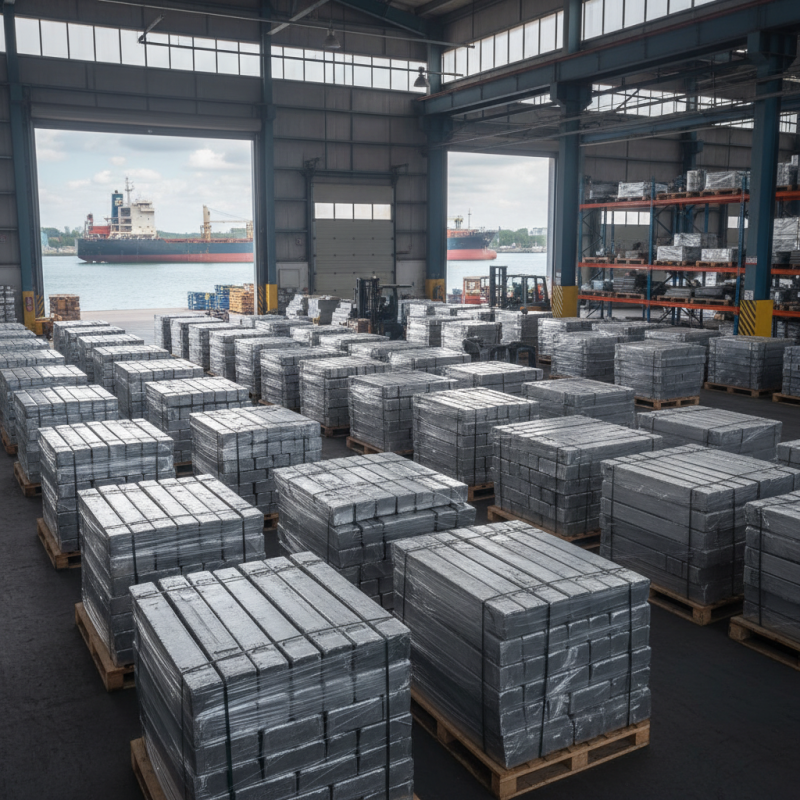
Top Zinc Ingots Suppliers and Prices for Global Buyers?
Zinc Ingots are vital in various industrial applications. Their significance spans from galvanization to die-casting. As the demand for Zinc Ingots grows, global buyers seek reliable suppliers.
Understanding the market is crucial for effective purchasing. Prices fluctuate based on quality and origin. Factors such as production costs and transportation impact these prices. Buyers often face challenges in identifying reputable suppliers. Trustworthy suppliers ensure high-quality Zinc Ingots, which ultimately satisfies customer demands.
Research is essential when selecting a supplier. Buyers must evaluate a supplier's track record. Previous client reviews and industry certifications offer insight. Engaging with experienced suppliers can lead to better pricing and availability. Reliable sourcing of Zinc Ingots is critical for maintaining production efficiency. Hence, thorough vetting is required to avoid potential pitfalls.
Understanding Zinc Ingots: Definition and Uses
Zinc ingots are essential industrial materials, primarily composed of zinc metal. They have various applications, including galvanization, brass production, and die casting. Notably, according to a report by The International Lead and Zinc Study Group (ILZSG), global zinc demand is projected to reach 13.5 million tons by 2025. This trend underscores the importance of zinc ingots in manufacturing and construction.
The production of zinc ingots involves several steps. Raw zinc is extracted from ores and refined to produce high-purity ingots. These ingots typically have a purity level of 99.9%. Industries utilize zinc ingots due to their anti-corrosive properties. The automotive industry, for instance, uses zinc for galvanizing steel components, enhancing durability. Surprisingly, while the demand is growing, some segments still underestimate the significance of high-quality zinc ingots.
Market fluctuations impact zinc ingot prices significantly. As of mid-2023, the average price for zinc ingots was approximately $2,500 per ton, influenced by supply chain disruptions and changing global demand. This volatility poses challenges for manufacturers. They must adapt quickly to maintain competitiveness. The complexities of sourcing quality zinc also lead to inconsistencies in supply, making reliable partnerships crucial for industry success.
Top Zinc Ingots Suppliers and Prices for Global Buyers
| Supplier Location | Zinc Ingot Price (USD/Metric Ton) | Purity (% Zinc) | Monthly Supply Volume (Metric Tons) |
| North America | $2,500 | 99.99 | 5,000 |
| Europe | $2,550 | 99.95 | 6,000 |
| Asia | $2,480 | 99.99 | 7,500 |
| South America | $2,520 | 99.90 | 4,000 |
| Africa | $2,600 | 99.95 | 3,000 |
Leading Suppliers of Zinc Ingots Worldwide
Zinc ingots play a crucial role in various industries. They are commonly used in galvanization, alloys, and die-casting. Global demand for zinc ingots continues to grow, driven by construction and automotive sectors. Knowing reliable suppliers is essential for businesses looking to source high-quality zinc.
Leading suppliers of zinc ingots across the globe include both large-scale producers and regional manufacturers. They often provide detailed specifications about the purity and weight of their ingots. Communication with suppliers can sometimes present challenges, and prices can fluctuate based on market conditions. Import tariffs and shipping costs also affect final pricing for international buyers.
When considering suppliers, it’s critical to evaluate their track records. Look for companies with proven reliability. Product quality and consistency should be a priority. Engaging with industry experts can offer insights into the best suppliers and competitive pricing. However, not all suppliers may meet high standards. Conducting thorough research is necessary to find trustworthy partners.
Global Zinc Ingots Prices Over Recent Years
Market Analysis: Current Prices of Zinc Ingots
Zinc ingots are essential for various industries, including construction and automotive. Currently, the prices of zinc ingots fluctuate due to market dynamics. Factors like supply chain disruptions and demand from key sectors impact pricing. Many buyers track these shifts to make informed decisions.
In recent months, global zinc prices have experienced notable changes. The average price per ton hovers around a specific range, influenced by geopolitical tensions and economic recovery patterns. Market analyses show that regions with abundant zinc sources often maintain competitive prices. However, fluctuations can lead to uncertainty for buyers.
For companies seeking to procure zinc ingots, it’s crucial to monitor these trends closely. Understanding regional differences in pricing may offer cost-saving opportunities. Yet, the challenge lies in predicting future market movements accurately. Balancing these elements can be complex for buyers navigating the global landscape.
Factors Influencing Zinc Ingot Prices Globally
Zinc ingot prices fluctuate due to multiple factors. Global supply and demand heavily influence market rates. When production rises in zinc mining regions, prices tend to decrease. Conversely, high demand from the automotive or construction sectors can drive prices up unexpectedly.
Economic conditions also play a significant role. In emerging markets, increased industrial activity boosts demand for zinc. Factors like currency strength affect import costs, further influencing prices. Geopolitical risks, such as trade disputes, can disrupt supply chains, adding to price volatility.
Environmental regulations impact zinc production costs. Stricter policies might lead to higher operational expenses for suppliers. This, in turn, can reflect on market prices. Additionally, consumer behaviors shift, impacting inventory levels. Regular updates on these factors are crucial for buyers navigating the zinc ingot market.
Tips for Buyers: How to Choose Zinc Ingot Suppliers
Choosing the right zinc ingot supplier is crucial for buyers. Start by assessing the supplier's experience in the industry. An established supplier often has a proven track record. Research their reputation through customer reviews and testimonials. Reliable suppliers will often showcase certifications. These documents ensure their products meet quality standards.
It’s also essential to consider pricing. While low prices can be tempting, they may indicate inferior quality. Balance quality against cost. Request quotes from multiple suppliers. This approach provides a clearer view of the market. Don't hesitate to ask about bulk discounts or shipping options. Communication is key. A responsive supplier can make a significant difference in your purchasing experience.
Finally, transparency matters. Ensure that the supplier shares relevant information openly. This includes sourcing practices and manufacturing processes. Trust can be built through clear communication. Reflection is important here; if a supplier is hesitant to share details, it may be a red flag. Choosing the right partner is a step towards successful procurement.