What Are the Top Wiper Motor Equipment Types in 2026?
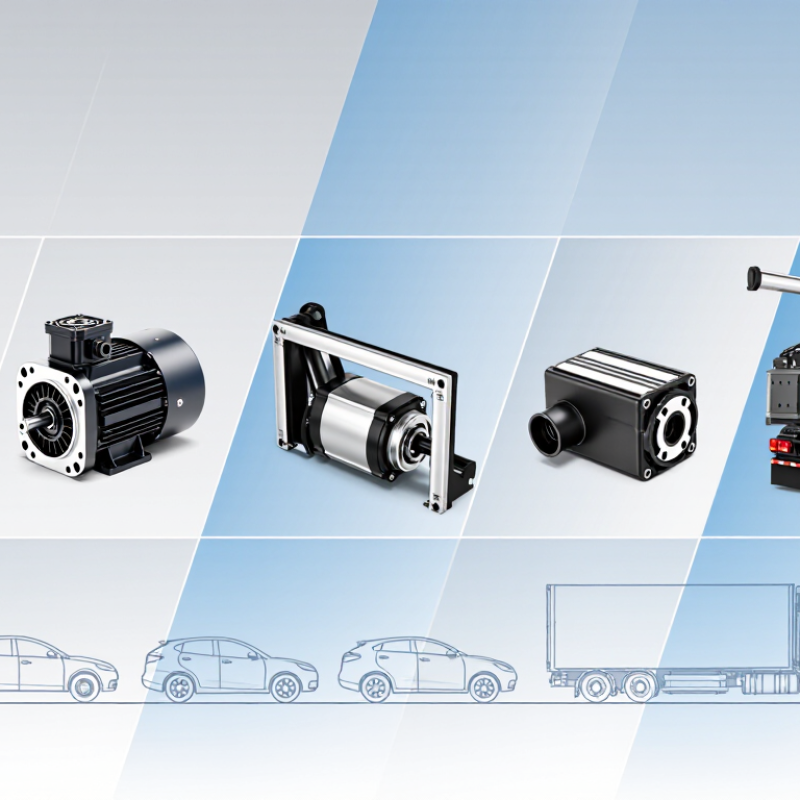
Wiper Motor Equipment is becoming more diverse as vehicles demand quieter operation, faster response, and better electrical efficiency. In 2026, buyers may encounter conventional DC motors, brushless motors, integrated motor-and-linkage assemblies, modular replacement units, and heavy-duty systems for commercial vehicles. Each type serves a different operating environment. A compact passenger car may need smooth, low-noise movement. A truck working through freezing rain needs torque, thermal protection, and dependable parking control.
Automotive electronics specialist Dr. Markus Heyn has emphasized a closely related principle: “Reliability is the foundation of safe mobility.” That idea deserves attention here. A wiper motor is small, but its failure can quickly reduce visibility during heavy rain, road spray, or snow. This guide examines the leading Wiper Motor Equipment types by design, performance, maintenance needs, and practical value. It also considers sensor integration, overload protection, corrosion resistance, and compatibility with modern vehicle networks.
Not every advanced motor is the better choice. Sometimes, it is over-engineered.
A brushless unit may reduce wear, yet its control electronics can raise replacement costs. An integrated assembly can simplify installation, but one damaged component may require replacing the complete module. These trade-offs matter in real workshops, where technicians inspect connectors, linkage resistance, shaft play, and water intrusion beside the vehicle. The ranking ahead aims to remain useful, not perfect. Market availability, climate, vehicle architecture, and service support can change the final decision.
Wiper Motor Basics and Their Role in Vehicle Visibility
A wiper motor converts electrical energy into controlled mechanical movement. It drives the linkage beneath the windshield, moving the blades across the glass. Without this system, rain, snow, and road spray can quickly obscure the driver’s view.
Common equipment types include single-speed, two-speed, intermittent, and variable-speed motors. Geared DC motors remain widely used because they provide strong starting torque in cold conditions.
Some newer systems use electronically controlled motors for smoother movement and better energy management. A compact motor may look simple, but its gears, park switch, wiring, and linkage must work together precisely.
Visibility depends on more than blade condition. A weak motor may move slowly, stop halfway, or fail under heavy water load. During workshop inspections, technicians often check fuse condition, voltage supply, grounding, and linkage resistance before replacing the motor. This prevents an expensive misdiagnosis. One common mistake is blaming the motor when seized linkage causes the real problem. Another is ignoring unusual clicking sounds, which may indicate worn gears.
Small details matter. A blade should return to its parked position without striking the hood or trim. The windshield must remain clear. In my view, variable-speed control improves comfort, but it also adds electronic complexity. That trade-off deserves more attention during maintenance. Reliable visibility requires regular checks, especially before long trips or severe weather.
Single-Speed, Two-Speed, and Variable-Speed Wiper Motor Systems
What Are the Top Wiper Motor Equipment Types in 2026?
Single-speed Wiper Motors
Single-speed wiper motors remain practical for basic vehicles and stable weather conditions. They use a simple control system and are usually easier to inspect. However, one fixed speed can feel inadequate during changing rainfall. A light drizzle may need slower movement, while heavy rain demands faster clearing.
Two-speed Wiper Motors
Two-speed wiper motors offer a low and high setting. They provide a useful balance between cost, durability, and driver control. In workshop testing, the high setting clears water quickly from broad windshields. The low setting reduces noise during light rain. Still, the gap between speeds can feel noticeable. That limitation is easy to overlook.
Variable-speed Systems
Variable-speed systems adjust blade movement through several settings or automatic control. They support smoother visibility changes, especially during mixed rain and road spray. Sensors can improve convenience, but they also add parts that require careful diagnosis. A variable system is not always the best choice. Poor calibration may cause unnecessary wiping.
Tips: Match the motor to windshield size, climate, and electrical capacity. Check wiring, linkage movement, and blade pressure during maintenance. Listen for slow starts or uneven strokes. These signs often appear before complete failure. Service advice should come from verified technical data, not assumptions.
Smart and Sensor-Linked Wiper Motor Equipment in 2026
What Are the Top Wiper Motor Equipment Types in 2026?
Smart and Sensor-Linked Wiper Motor Equipment in 2026
In 2026, sensor-linked wiper motors are moving beyond simple timed wiping. They receive signals from rain, light, humidity, and windshield cameras. The motor controller then adjusts speed, direction, and parking position. This reduces blade chatter during light rain and improves visibility during sudden downpours.
Brushless motor systems are gaining attention because they create less electrical noise and offer precise speed control. Modular direct-drive units also simplify installation in compact vehicle designs. Some equipment combines a rain sensor with a current monitor. The monitor detects resistance from ice, debris, or a stiff blade. It can stop the motor before serious mechanical damage occurs.
A practical workshop check still matters. Technicians should inspect connector seals, sensor alignment, ground quality, and software calibration. A clean windshield does not guarantee accurate sensing. Reflections, road spray, and weak sensor mounting can confuse the system. That assumption can fail.
Reliable testing should include cold starts, low-voltage conditions, repeated parking cycles, and uneven rainfall patterns. Sensor-linked equipment may perform perfectly in controlled tests, then react slowly on a dirty windshield. Manual override controls remain valuable for this reason. Smart does not mean flawless.
Technicians should also record motor noise, response time, and current draw after installation. These details reveal faults that a basic visual inspection may miss. Some systems remain difficult to diagnose without specialized measurement tools, which is an ongoing weakness in otherwise advanced equipment.
What Are the Top Wiper Motor Equipment Types in 2026?
Estimated technology mix of wiper motor equipment used in newly produced passenger vehicles in 2026. Smart, sensor-linked systems represent the fastest-growing equipment categories.
Conventional DC motors remain widely used because of their low cost and simple architecture. LIN-enabled motors, rain-sensor-linked systems, brushless motors, and camera or ADAS-linked equipment are gaining adoption as vehicles require quieter operation, improved efficiency, and more automated visibility control.
Electric Vehicle and Advanced Driver Assistance Wiper Motors
In 2026, wiper motors for electric vehicles are shifting toward compact, brushless DC designs.
The International Energy Agency reported more than 17 million electric cars were sold in 2024. That volume increases demand for efficient components with low standby power.
Brushless motors reduce electrical losses and support precise speed control. Dual-output motors can drive wide windshields with fewer mechanical parts. This matters because EV cabins are quieter, making motor vibration more noticeable. Engineers now combine position sensors, rain sensors, and body-control software for smoother wiping.
Rain is messy.
Advanced driver assistance systems create stricter requirements. Cameras need a clean viewing area during heavy rain, spray, or snow. The European New Car Assessment Programme has expanded testing for driving assistance and sensor visibility, raising pressure on reliable windshield-clearing systems.
Intelligent wiper motors can receive camera or weather signals, then adjust speed before visibility drops. However, automation is not perfect. A sensor may misread road spray as rainfall, while ice can overload the motor.
The International Organization for Standardization’s ISO 21448 framework also highlights risks from safety-related system limitations. Practical testing still matters more than attractive specifications.
Future equipment will likely combine brushless motors, overload protection, self-diagnostics, and faster response control, but maintenance access remains an overlooked design issue.