
Top BESS Connector Manufacturers for Global Buyers
A battery energy storage system is only as dependable as the connections carrying its current. A Bess Connector must handle repeated mating, vibration, heat, and demanding electrical loads. For global buyers, choosing a manufacturer means looking beyond a catalogue photo. Material quality matters. So do contact resistance, current ratings, ingress protection, and traceable test results. Small details count.
A practical principle for this guide comes from BESS integration engineer Alex Morgan: “A connector is a small component, but its failure can interrupt an entire energy system.” Buyers should compare manufacturers on documented performance, production consistency, customization capability, and support after delivery. Ask how a supplier validates temperature rise and mechanical endurance. Check whether drawings, samples, and production parts match. These questions are not glamorous. They are useful.
This overview examines manufacturers serving different project scales and regions, from utility installations to commercial storage sites. It considers product range, engineering resources, certifications, lead times, and communication across borders. A polished website is not proof of field reliability. Nor does the lowest price always signal poor quality. The evidence can be incomplete, and some comparisons remain imperfect. That deserves attention. Readers should verify specifications against their own system design and procurement requirements before selecting a supplier.
Understanding BESS Connectors and Their Role in Energy Storage
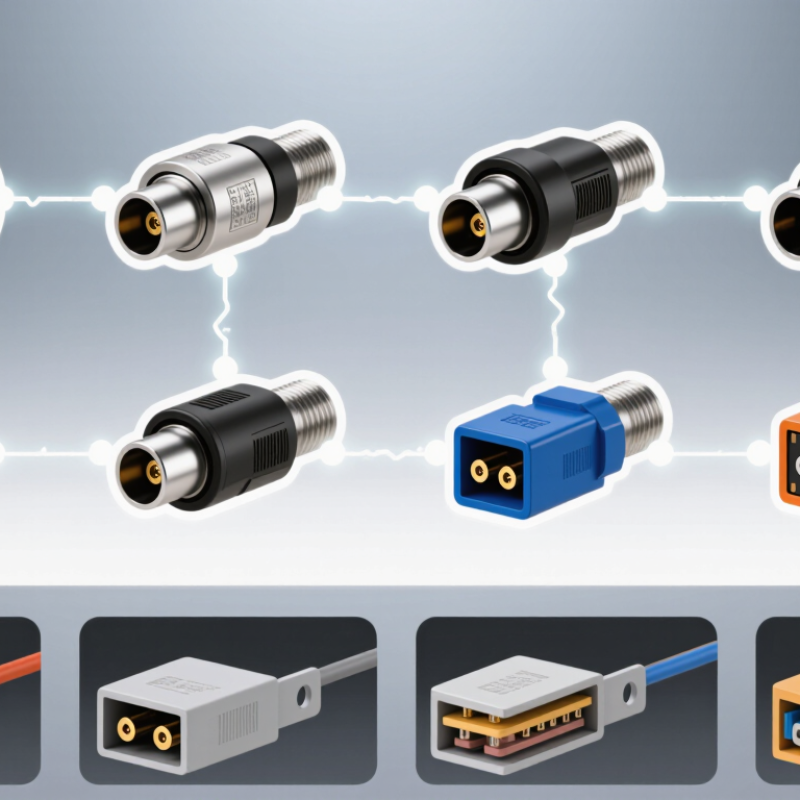
BEss Connectors form the electrical interface between battery modules, racks, power conversion equipment, and auxiliary systems. They carry substantial current while helping maintain a stable, low-resistance path. A loose contact can create heat at the connection point, even when the surrounding cabinet feels cool. Small details matter. Contact materials, rated voltage, current capacity, and locking methods should match the system design. Polarity protection and clear identification also help reduce assembly errors during installation or service.
In practice, connector performance depends on more than its catalogue rating. Repeated charging cycles, vibration, dust, humidity, and temperature changes can affect seals and contact pressure over time. Buyers should check test documentation, compatible cable sizes, operating temperature limits, and maintenance guidance. Field experience matters: a connector that is difficult to inspect may slow fault finding later. That is easy to overlook. Installers should follow equipment specifications and verify that contacts are fully seated before energizing a circuit. Even a well-rated part can underperform when poorly matched or installed.
Key Criteria for Evaluating BESS Connector Manufacturers
The IEA’s Batteries and Secure Energy Transitions report recorded 42 GW of new battery storage capacity in 2023, a 130% year-on-year increase. That growth makes connector selection a practical reliability decision, not just a purchasing detail. Check rated current, operating temperature, voltage, and compatibility with the cable size used on site. Ask for test reports covering contact resistance, temperature rise, vibration, and mating cycles. Real conditions matter: a connector beside an inverter may face heat, dust, and repeated maintenance.
Evaluate materials, sealing, traceability, and technical support together. Review the specified ingress protection rating, but do not treat it as proof of long-term performance by itself. Request lot-level traceability and clear installation instructions, including torque values and inspection steps. Confirm that product testing matches the intended application and relevant industry standards. A polished datasheet helps, but it cannot replace evidence from testing or field experience. Even then, comparisons can be imperfect; test methods and operating assumptions may differ.
Tips: Ask for sample connectors and inspect the contacts, locking action, and cable strain relief. Check how quickly the supplier answers technical questions. Slow replies are a warning sign. Keep records of test results and approved connector variants.
Top BESS Connector Manufacturers for Global Buyers - Key Criteria for Evaluating BESS Connector Manufacturers
| Evaluation Criterion | What to Verify | Useful Evidence or Indicators | Questions for Suppliers |
|---|---|---|---|
| Electrical ratings | Confirm rated voltage and current for the intended conductor, installation method, ambient temperature, and operating conditions. Ratings should be checked against the complete assembly, not just the connector body. | Current and voltage rating tables; derating curves; temperature-rise test results; specified wire or busbar sizes. | Are ratings available for the exact cable size and installation conditions in the project? |
| Safety and product standards | Check which standards and approvals apply to the connector type, intended use, and destination market. IEC 61984 addresses safety requirements and tests for certain connectors; UL 1977 covers component connectors used in data, signal, control, and power applications. Applicability depends on the product and installation. | Current certificates, test reports, product markings, and confirmation that the certified model matches the quoted part number. | Which exact model is covered by each certificate, and for which markets and applications? |
| Ingress protection | Determine the required enclosure protection from the installation environment. An IP code under IEC 60529 describes protection against access, solid objects, and water under defined test conditions; it does not by itself establish suitability for every outdoor or corrosive environment. | IP test documentation for the mated connector and, where relevant, the unmated state, sealing accessories, and cable-entry configuration. | Does the tested configuration include the specified cable, seal, and mating parts? |
| Environmental durability | Review the operating and storage temperature range, humidity exposure, vibration requirements, and resistance to expected chemicals or salt exposure. Suitability must be assessed against the project environment. | Environmental test methods and reports; material specifications; defined limits for temperature, humidity, vibration, and chemical exposure. | Which environmental tests were completed, and what exact test conditions and acceptance criteria were used? |
| Contact materials and corrosion control | Identify the contact base material and plating, and check compatibility with the cable conductor and expected service environment. Dissimilar metals and unsuitable surface finishes can increase corrosion or contact-resistance risks. | Material declarations; plating specifications; corrosion-test results where relevant; instructions for joining different conductor materials. | Are the contacts compatible with the specified conductor material and environmental conditions? |
| Mechanical design and mating | Assess keying, locking, touch protection, mating effort, cable strain relief, and prevention of incorrect connections. Confirm the permitted mating-cycle life for the intended maintenance and service profile. | Mechanical drawings; assembly instructions; mating-cycle specifications; retention and strain-relief test information. | How is incorrect mating prevented, and what maintenance or replacement interval is assumed? |
| Installation and serviceability | Check whether installation requires dedicated crimping tools, dies, torque tools, or training. Consider access in the enclosure and the ability to inspect and replace parts safely. | Work instructions; tool lists; termination parameters; inspection guidance; field-replacement procedure. | Can installers use standard tools, and how are incorrect terminations identified during inspection? |
| Quality management and traceability | Evaluate documented production controls, inspection procedures, change management, and the ability to trace delivered lots. A quality-system certificate is useful evidence but does not replace product-specific verification. | Quality-system certificates where applicable; lot or date-code examples; inspection records; nonconformance and corrective-action processes. | Can each shipment be linked to a production lot and relevant inspection records? |
| Supply capability and logistics | Review production capacity, lead-time assumptions, minimum order quantities, packaging, export documentation, and continuity plans. Confirm that quoted availability applies to the required configuration. | Written lead-time estimates; capacity and allocation information; packaging details; documented change or disruption notifications. | What are the current lead time, replenishment plan, and notification process for supply or design changes? |
| Documentation and lifecycle support | Verify that technical documents are available in a usable language and version, and that support is available for qualification, installation, and troubleshooting. Check how product revisions are communicated. | Datasheets; drawings; compliance declarations; assembly guides; revision history; warranty and support terms. | How are document revisions, product changes, and technical support requests managed? |
Note: Connector ratings, approvals, and test results are model- and configuration-specific. Compare documentation for the exact connector, cable, accessories, and installation conditions required by the project.
Leading BESS Connector Manufacturers Serving Global Markets
Leading BESS connector manufacturers serving global markets must support reliable power transfer across varied battery layouts, climates, and service conditions. A connector may sit beside a warm battery rack, face vibration during transport, and later endure repeated maintenance access. Buyers should compare current ratings, contact materials, locking mechanisms, and documented temperature limits. Details matter. Clear installation instructions and traceable test records help engineering teams assess whether a connector suits a specific system. Regional requirements differ, so suppliers should provide current technical documentation for the intended destination rather than broad assurances.
Global projects also depend on practical supply support. Manufacturers need consistent production, clear part identification, and responsive answers when drawings change late in procurement. Ask how contacts are protected from dust and moisture, how mating cycles are evaluated, and what inspection steps are recommended after installation. These questions reveal more than a polished catalogue. A connector can look excellent on paper and still be awkward to assemble in a crowded enclosure. That is easy to overlook. Procurement teams may also compare sample quality with later deliveries, since consistency matters across large deployments. No single specification settles every choice; cable size, service access, system design, and local operating conditions all affect suitability.
Comparing Product Capabilities, Certifications, and Supply Support
When comparing BESS connector manufacturers, start with the electrical and mechanical details of the actual installation. Check rated voltage and current, temperature-rise data, contact resistance, cable range, and mating-cycle ratings. A connector must fit the system’s duty, not just its headline specification. Ask how performance changes under heat, vibration, dust, and repeated connection.
Certifications matter, but the certificate should match the product version and intended application. Request current test reports, material declarations, and traceability details for production batches. Confirm that enclosure protection and insulation ratings suit the site conditions. That sounds obvious. It is often missed. A catalog can make every connector look ready; cable routing, installation tools, and service access can reveal practical gaps.
Supply support is equally important for global buyers. Ask about standard lead times, minimum order quantities, replacement-part availability, and the process for handling quality issues. Check whether technical documents and installation guidance are available in usable formats. A fast quote is not proof of dependable supply. Compare the response to a specific question, such as how the connector handles a defined cable size or operating temperature. The answer should be clear, documented, and consistent with the test evidence.
How Global Buyers Can Select and Qualify a BESS Connector Supplier
Top BESS Connector Manufacturers for Global Buyers
How Global Buyers Can Select and Qualify a BESS Connector Supplier
A reliable supplier selection starts with application data, not a catalog photo. Record system voltage, continuous and peak current, cable size, enclosure space, and expected mating cycles. Small details matter. A high-voltage battery rack, for example, may need specific insulation distances and temperature performance. Ask for drawings, material specifications, and test reports linked to the exact part number.
Qualification should reflect real operating conditions. Review temperature-rise results at rated current, contact resistance, vibration performance, ingress protection, and humidity or salt exposure where relevant. Request production samples, then check crimp pull strength and assembly repeatability using your own cable. Ask for evidence. A polished sample alone cannot show how consistently a supplier controls production. Discuss process changes, lot traceability, and how quality issues are investigated.
Supplier capability matters after the quotation, too. Check lead-time assumptions, minimum order quantities, technical support availability, and response times for quality concerns. Have engineering and procurement review the same documents; they may notice different risks. A missing report may reflect a genuine gap, but approval should wait for a clear test plan. Price is only one factor. Field replacement can become costly if access requires opening a sealed battery rack.