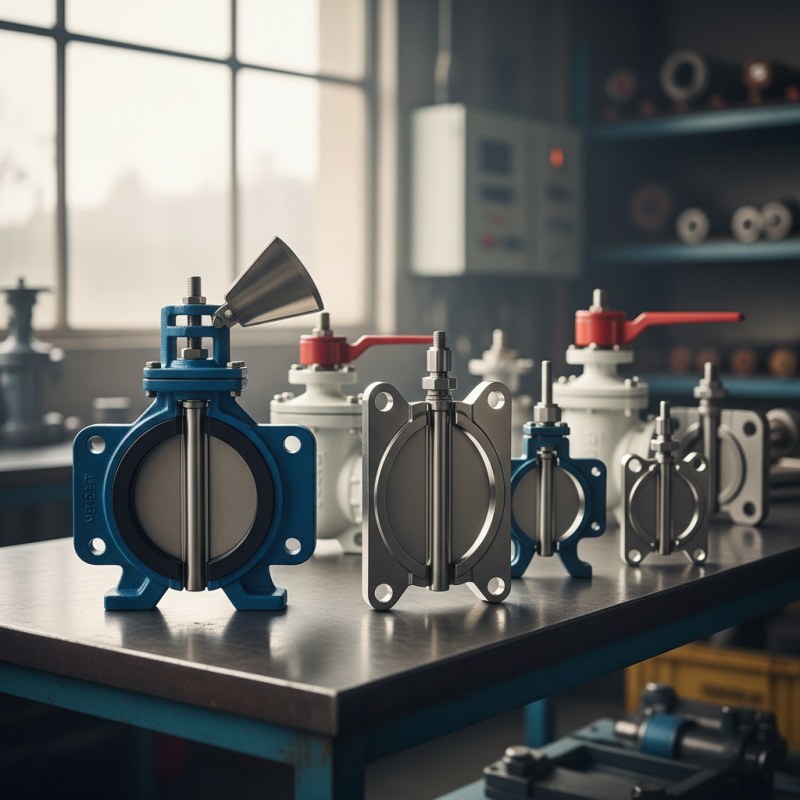
Top 10 Butterfly Valves for Sale Which One Should You Choose?
When selecting butterfly valves for sale, the choices can be overwhelming. These vital components are used in various industries, including water management and HVAC systems. Each option offers unique features, materials, and pricing.
Consider the different types available, such as resilient-seated and wafer-style valves. Each type has its pros and cons. You may find it helpful to identify your specific needs. Sometimes, lower-priced options might lack durability or reliability. Thus, it's essential to evaluate them carefully.
Choosing the right butterfly valve isn't just about the price tag. It's about ensuring efficiency and longevity. Spend time researching materials like stainless steel or PVC. These details can make all the difference in performance. Remember, your choice reflects the quality you aim to achieve.
Understanding Butterfly Valves: Features and Benefits
Butterfly valves are essential in many industries. They control fluid flow effectively. Their design is simple yet efficient. The valve consists of a disc that rotates to open or close the flow. This efficiency leads to energy savings. Additionally, they require less space than other valve types.
When choosing a butterfly valve, consider its material. Metal and plastic options are common. A metal valve might be sturdy but heavier. Conversely, plastic is lightweight, suitable for less demanding tasks. Think about the environment the valve will operate in. Corrosive substances can damage some materials.
Tip: Always check valve pressure ratings. An underrated valve may fail prematurely. Also, ensure compatibility with your piping system.
Maintenance is another aspect to ponder. Some valves need frequent inspections. Others can run for years with minimal attention. This inconsistency can lead to unexpected downtimes. It’s beneficial to have a maintenance schedule. A little effort can prevent significant issues.
Remember, not all butterfly valves are the same. Evaluate your specific needs. Any oversight in selection could lead to inefficiencies. Choose wisely and think ahead.
Types of Butterfly Valves: A Comprehensive Overview
When considering butterfly valves, understanding the different types is essential. Each type serves unique functions based on the application. There are mainly two categories: waisted and full body. Waisted butterfly valves are designed for lower pressure applications. They’re lightweight and easy to install. In contrast, full-body valves handle higher pressures and temperatures. They are more robust but may require more space.
According to a recent industry report, the global butterfly valve market is projected to reach $7.3 billion by 2025, growing at a CAGR of 4.2%. This highlights the importance of selecting the right type. Common materials include cast iron, stainless steel, and PVC. Each material impacts the valve’s durability and cost. For instance, stainless steel valves are resistant to corrosion but can be expensive.
It’s worth noting that not all options are perfect. Some butterfly valves struggle with sealing issues, depending on the design and installation. Ensuring compatibility with the system is vital. Users may experience leaks if the wrong type is chosen. Therefore, careful assessment before purchase is crucial. This choice can significantly affect the efficiency and longevity of your piping system.
Key Factors to Consider When Choosing Butterfly Valves
When choosing butterfly valves, several key factors come into play. The material used in the valve construction is crucial. Common materials include stainless steel, which offers durability, and PVC, known for its corrosion resistance. According to industry reports, about 30% of valve failures are attributed to material incompatibility. This highlights the need for careful material selection based on the specific application environment.
Additionally, sizing is critical. An improperly sized valve can lead to inefficiencies. For instance, a valve that is too small may cause higher pressure drops, while one that is too large might not control flow adequately. Research indicates that 25% of operational issues stem from sizing mistakes. This requires careful measurement and consideration of the flow characteristics needed for your system.
Lastly, actuator selection must not be overlooked. Electric actuators provide precise control, while pneumatic options are often quicker. Choosing the right actuator impacts performance significantly. Reports suggest that around 20% of valve performance can be improved merely by selecting a suitable actuator. These factors, combined, create a complex decision-making process that deserves thorough reflection to ensure optimal performance.
Top 10 Butterfly Valves Comparison
Top 10 Recommended Butterfly Valves: Specifications and Uses
When choosing a butterfly valve, understanding specifications is crucial. Each valve type serves different functions in various industries. For example, valves with a resilient seat are great for tight shut-off. They can handle various liquids and gases well. On the other hand, lined butterfly valves are ideal for corrosive substances. Knowing your application will guide you in making the best choice.
Tips: Look at the size specifications carefully. Measure the pipeline diameter accurately. A mismatch can lead to inefficiency and leaks. Pay attention to pressure ratings. Ensure the valve can withstand your system's requirements.
Consider the material options. Stainless steel, for example, is durable and resistant to corrosion. However, it can be heavier and more expensive. A plastic butterfly valve might be lighter and cheaper, but it's not suitable for high-pressure systems. Think about the long-term use and maintenance as well. A less durable option may save money upfront but cost more over time. Evaluate your needs closely before making a decision.
Top 10 Recommended Butterfly Valves: Specifications and Uses
| Valve Model | Size (Inches) | Material | Pressure Rating (PSI) | Application |
| Model A | 2 | Cast Iron | 150 | Water Service |
| Model B | 3 | Stainless Steel | 300 | Oil and Gas |
| Model C | 4 | PVC | 100 | Chemical Processing |
| Model D | 6 | Aluminum | 150 | HVAC |
| Model E | 8 | Ductile Iron | 250 | Water Treatment |
| Model F | 10 | Copper | 200 | Fire Protection |
| Model G | 12 | CPVC | 150 | Wastewater |
| Model H | 14 | Bronze | 300 | Marine Use |
| Model I | 16 | Plastic | 100 | Irrigation |
| Model J | 18 | Steel | 400 | Power Generation |
Maintenance Tips for Prolonging the Life of Butterfly Valves
Maintaining butterfly valves is essential for their longevity. Regular inspections can prevent costly downtime. A study by the Valve Manufacturer’s Association shows that proper maintenance can increase the lifespan of these valves by up to 30%. Common issues often arise from inadequate sealing. This misalignment leads to leaks and unintended pressure drops.
Cleaning is another critical aspect. Dirt and corrosion can affect valve performance. Use non-abrasive cleaning agents to avoid damage. A report by Industry Research indicates that neglecting cleaning can shorten valve life significantly. Aim to establish a routine maintenance schedule. This can help catch issues before they escalate.
Moreover, monitoring operating conditions is vital. High temperatures and pressures can strain valves. A weak point in many maintenance routines is overlooking these conditions. Keep records of valve performance and adjust your approach if necessary. Each valve is unique, so generic advice may not fit all situations. Understanding specific applications can lead to better maintenance strategies.