Top 10 Ball Screws for Sale Which One Should You Choose?
When considering a ball screw for sale, it's essential to make the right choice. Industry expert Dr. Emily Parker once said, "Choosing the right ball screw can significantly impact your machine's performance." This statement holds true for anyone looking to enhance their equipment.
The market offers many options, making selection challenging. Ball screws come in various sizes, designs, and materials. Understanding these differences can streamline your decision-making. Each choice presents its advantages and potential drawbacks. Factors such as load capacity, precision, and cost must be weighed carefully.
Many buyers overlook the importance of quality. A cheaper ball screw for sale might seem appealing initially. However, it could lead to higher maintenance costs down the line. Finding a balance between cost and quality is not always easy. Taking time to research can save headaches later. Your machine’s efficiency largely relies on this decision.
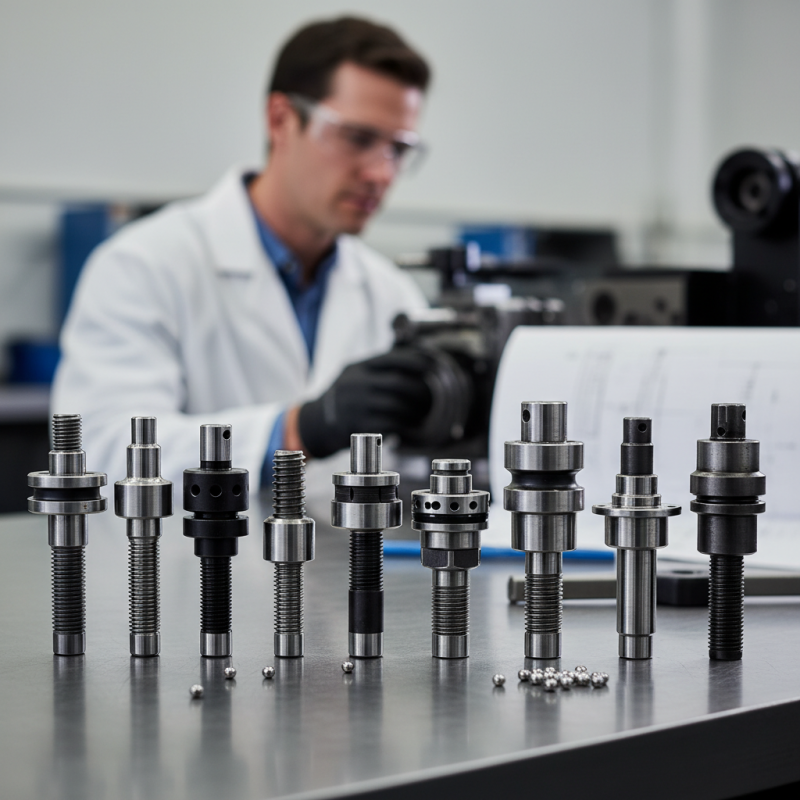
Understanding Ball Screws: Definition and Functionality
Ball screws play a crucial role in modern machinery. They convert rotary motion into linear motion, ensuring precision and efficiency. A ball screw consists of a screw shaft and a ball nut. The ball bearings in the nut reduce friction, allowing for smoother operation. According to recent industry reports, ball screws can achieve 90% efficiency, making them a popular choice for various applications.
In high-load scenarios, ball screws offer significant advantages. They can handle heavier loads than traditional lead screws. This is due to their design, which distributes weight evenly across multiple ball bearings. However, there are challenges. Ball screws can be quite expensive compared to other options. Additionally, if not maintained properly, they may wear out quickly. Regular lubrication and inspection are necessary to prolong their lifespan.
In some cases, users may find it difficult to choose the right ball screw specification. Factors such as load capacity, speed, and accuracy must be considered. A mismatch could lead to performance issues down the line. Some users overlook these details, leading to potential failures in their applications. Thus, understanding the fundamental operation of ball screws is essential for making informed choices.
Key Factors to Consider When Choosing a Ball Screw
When selecting a ball screw, consider its load capacity. This is crucial for ensuring durability and performance. A higher load capacity often means better longevity. Think about your application's specific requirements. Not all projects need the same strength. Each application is unique, which makes proper selection vital.
Next, examine the precision levels. Different ball screws offer varying degrees of accuracy. For tasks needing tight tolerances, choose accordingly. Quality often influences precision, and it can be tricky. A cheaper option might lack the finesse required for high-end applications.
Don’t overlook the size and space constraints. The available space can limit your options. Smaller screws can fit into tight spots but may not handle heavy loads. Also, installation can be a hassle. Ensure you have the proper tools and skills. A hasty installation can lead to issues down the line. Balancing all these factors is key to a successful choice.
Top 10 Ball Screws: Features and Specifications Comparison
When selecting a ball screw, consider crucial features and specifications. Load capacity plays a vital role. Evaluate how much weight the screw can handle. If you exceed the limits, it could lead to failure. Precision is another key factor. Look for screws with tight tolerances for better accuracy in movement. Remember that higher precision often comes with a higher price tag.
The material is important as well. Common materials include steel and stainless steel. Each material offers benefits and drawbacks. For instance, steel is strong but can corrode. On the other hand, stainless steel resists rust but may be more expensive. Additionally, you might want to check the screw's pitch. A finer pitch provides more precise movements but may be slower. Be mindful of your application needs to make an informed choice.
Another aspect to reflect on is the installation process. Some screws require specialized tools for fitting. This could lead to extra costs. Also, consider maintenance needs. Regular maintenance ensures longevity, but it can be time-consuming. As you compare options, ask yourself which features align with your project requirements. This will help narrow down the choices effectively.
Applications of Ball Screws in Various Industries
Ball screws play a vital role in many industries. They convert rotary motion into linear motion with high efficiency. This functionality is essential in sectors like manufacturing, robotics, and aerospace. For instance, in a factory, ball screws guide machinery for precise movements. This accuracy leads to higher productivity and lower error rates.
Robotics applications also benefit from ball screws. They enable robotic arms to perform delicate tasks, ensuring smooth and controlled movements. In the aerospace industry, they contribute to the operation of various systems, enhancing the reliability of aircraft components. However, using ball screws requires careful consideration of installation and maintenance. Improper handling can lead to wear and tear. Moreover, not every ball screw fits all applications. Each use case demands a specific design and size to achieve optimal performance.
In construction equipment, ball screws help control lift and positioning systems. This function is crucial for safety and precision. Yet, various environmental factors, like dust and temperature, can impact their performance. Therefore, regularly evaluating the operational environment is needed. Identifying potential issues early can save costs and improve efficiency in the long run.
Tips for Maintenance and Longevity of Ball Screws
Maintaining ball screws is essential for their longevity and smooth operation. Regular inspections can help catch issues early. Look for signs of wear or damage. Ensure that the screw and nut are clean and free from debris. A tiny speck of dirt can cause significant problems.
Lubrication is critical for performance. Use the right type of lubricant for your application. Over-lubrication can attract dust, while insufficient lubrication can lead to wear. A regular maintenance schedule will help you keep track of when to lubricate and inspect. Don't forget to monitor the temperature of the ball screws during operation. Excessive heat can indicate friction or misalignment.
It’s important to address any anomalies promptly. If you hear unusual noises, investigate immediately. Delaying repairs can lead to more severe damage. Remember, a bit of attention today can save you from costly repairs tomorrow. Keeping records of maintenance activities helps track patterns. This data can inform future maintenance strategies. It's all about being proactive, not reactive.