2026 How to Source Quality Alloy Steel Bevel Gears?
When sourcing quality alloy steel bevel gears, understanding the critical factors is essential. Alloy steel bevel gears are vital components in various mechanical systems. Their performance directly impacts efficiency and reliability. Selecting the right supplier can be a challenging task. It requires careful consideration of both material properties and manufacturing processes.
Key elements to evaluate include the quality of steel used, heat treatment, and precision in machining. Manufacturers should prove their expertise in alloy steel bevel gear production. Certifications and industry standards play a significant role in assessing credibility. Yet, not all suppliers meet these expectations. It is vital to question their capabilities and past performance.
Moreover, transparency in the sourcing process is crucial. Possible inconsistencies in quality can arise from multiple production methods. Engaging in conversations with potential suppliers can shed light on their capabilities and reliability. Ultimately, sourcing high-quality alloy steel bevel gears demands diligence and a keen eye for detail. It is a journey that balances trust and technical requirements, guiding you towards effective procurement.
Understanding Alloy Steel Bevel Gears and Their Applications
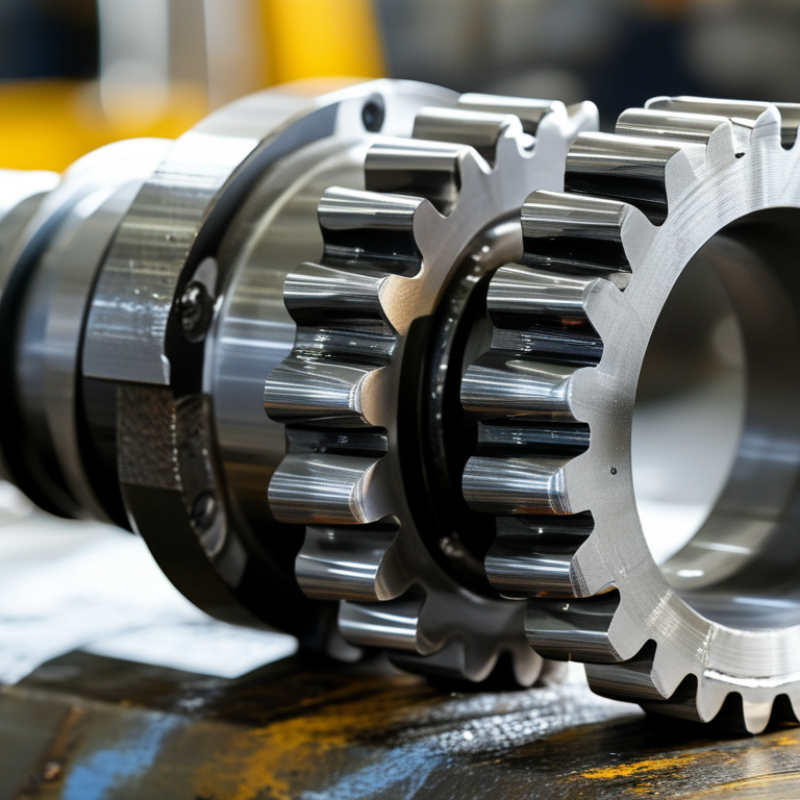
Alloy steel bevel gears play a vital role in various mechanical systems. They are widely used in the automotive and aerospace industries, among others. According to a report by ResearchAndMarkets, the global bevel gears market is projected to reach $3.5 billion by 2025. This growth highlights the increasing demand for precision-engineered components. Understanding the properties of alloy steel is crucial for manufacturers and engineers.
These gears are known for their high strength and durability. They offer excellent resistance to wear and fatigue. A study from the American Gear Manufacturers Association suggests that manufacturers should focus on the microstructure of alloy steel to optimize performance. The grain size and heat treatment processes significantly influence the mechanical properties of the gears.
However, sourcing quality alloy steel bevel gears can be challenging. Not all suppliers adhere to stringent quality standards. Checking certifications and conducting thorough inspections is essential. Many companies overlook this step, resulting in unsatisfactory performance. Integrating advanced manufacturing technologies can improve the consistency of these components. While the market continues to expand, it is imperative to prioritize quality over cost.
Key Properties to Look for in Quality Alloy Steel Bevel Gears
When sourcing quality alloy steel bevel gears, key properties play a critical role. Look for materials that meet the necessary standards. The American Gear Manufacturers Association (AGMA) outlines specific material grades that enhance strength and corrosion resistance. Steel grades like AISI 4140 or 8620 are commonly used. These materials have high tensile strength and yield strength, ensuring they can withstand significant loads.
Hardness and surface finish also matter. A hardness level of 28-32 HRC is often ideal for bevel gears, balancing toughness and wear resistance. A smoother surface finish reduces friction, leading to improved performance and longevity. Be aware that some manufacturers may cut corners on surface treatments, which can lead to premature failure.
Tips: Always request detailed specifications from suppliers. Check if they provide relevant testing results, like tensile strength and hardness. Cross-reference these with industry standards. Additionally, consider the gear geometry. Precision in cutting and shaping affects how well the gears mesh and transfer power. Do not overlook these details; they dictate the gear's operational success.
Identifying Reliable Suppliers for Alloy Steel Bevel Gears
When sourcing alloy steel bevel gears, identifying reliable suppliers is crucial. Industry reports indicate that around 30% of suppliers do not meet quality standards. This percentage can lead to significant production delays and increased costs. Many businesses suffer from sourcing low-quality gears, leading to performance issues in their applications.
Establish direct communication with potential suppliers. Discuss your specific needs and ask about their quality assurance processes. Research their certifications, such as ISO 9001, which demonstrates commitment to quality management systems. According to data from market analysis, more than 40% of top manufacturers prioritize suppliers with strong quality track records.
Consider visiting manufacturing facilities if possible. This offers insight into their operations and adherence to quality protocols. Engaging with industry professionals can also help you gauge supplier reliability. Peer recommendations can reveal hidden issues, allowing you to make informed decisions. A good supplier not only delivers quality products but also supports your operational needs effectively.
Evaluating Manufacturing Processes for Bevel Gear Quality
When evaluating manufacturing processes for bevel gear quality, it’s important to consider the material properties. Alloy steel is a popular choice due to its strength and durability. The correct metallurgical treatment can enhance the wear resistance of these gears, contributing to their overall performance.
Machining practices play a critical role in the final product. For instance, precision milling and heat treatment methods are key factors that affect the dimensional accuracy and surface integrity of the gears. A detailed inspection after each stage ensures that any defects are caught early. However, this can slow down production. Balancing quality and efficiency remains a challenge for many manufacturers.
Another area of focus is the assembly process. Even with high-quality components, improper alignment or inadequate lubrication can lead to premature failure. It's essential to have trained technicians who pay attention to these details. Continuous improvement in this area shows a commitment to quality. However, it’s also a point where reflection is necessary. How can processes be optimized further to reduce potential errors?
Best Practices for Quality Control in Alloy Steel Bevel Gear Sourcing
When sourcing alloy steel bevel gears, quality control is essential. This process requires expertise and diligence. Focus on selecting suppliers with proven track records. Research their operational standards and ethical practices. Transparent communication with suppliers can lead to improved outcomes. Build strong relationships that encourage quality assurance throughout the supply chain.
Tips: Always ask for certifications. They should demonstrate compliance with industry standards. Regularly audit suppliers to ensure they maintain those standards. Don't hesitate to visit their facilities. Observing production processes can reveal much about their quality control measures.
Another critical aspect is validation of materials. Verify the alloy chemistry to confirm durability and strength. Testing samples before large orders is wise. Engaging with third-party testing services adds an extra layer of reliability. Sharing these insights with your team can enhance decision-making. Remember, even established suppliers can have lapses. Continuous evaluation is key to quality assurance.
2026 How to Source Quality Alloy Steel Bevel Gears? - Best Practices for Quality Control in Alloy Steel Bevel Gear Sourcing
| Parameter | Description | Importance | Quality Control Method |
| Material Composition | Ensure that alloy steel meets the required specifications for carbon, manganese, chromium, etc. | High | Spectrometric Analysis |
| Heat Treatment Process | Examine the heat treatment conditions applied to strengthen the bevel gears. | Critical | Hardness Testing and Microstructural Analysis |
| Gear Tooth Profile | Must conform to design specifications for optimal performance. | High | Coordinate Measuring Machine (CMM) Inspection |
| Dimensional Accuracy | Confirm dimensions match engineering drawings to ensure proper fit. | High | Gage Inspection and Caliper Measurement |
| Surface Finish | Surface roughness should meet the required standards to reduce wear. | Moderate | Surface Roughness Measurement |