
What Is a Programmable V Cut Machine for Grey Board?

Grey board is strong, but its stiffness makes clean folding difficult. A V-shaped groove removes material along a planned line, leaving a thinner hinge that helps the board fold into a crisp corner. The cut must be deep enough to bend, but not so deep that the facing paper tears or the panel loses strength. Small adjustments matter.

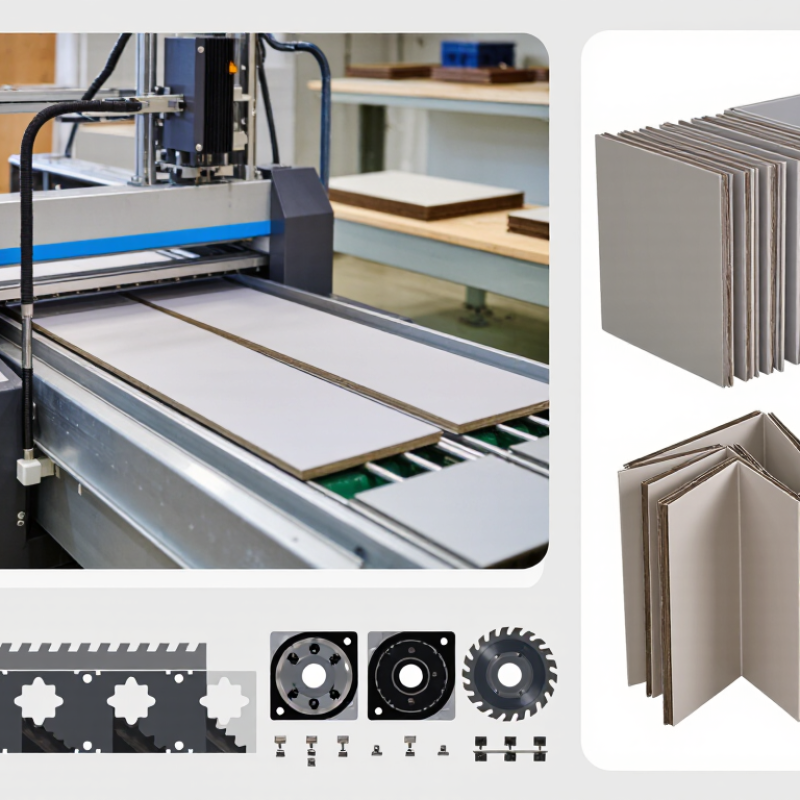
A Programmable V Cut Grooving Machine For Grey Board automates this process through stored settings and controlled tool movement. Depending on the model, operators can set groove positions, spacing, and cutting depth for repeat jobs. A sheet may pass beneath a blade while guides keep it aligned. The result can support rigid boxes, display panels, book covers, and other folded board products.

Programming helps with repeatability. It does not guarantee a perfect groove. Board thickness can vary, and moisture, surface layers, blade condition, and feeding accuracy can all affect the fold. Operators still need to check samples, measure the groove, and adjust settings for each material and design. That part is easy to underestimate.

This guide explains what the machine does, how its main components work, and which settings deserve attention. It also looks at practical benefits, limitations, and selection factors for workshops comparing equipment. The goal is a clear starting point, not a promise that one machine suits every production line.
What Is a Programmable V Cut Machine for Grey Board?

Grey Board Basics: Typical 1–4 mm Caliper and ISO 534 Measurement

Grey board commonly has a caliper of about 1–4 mm, but the stated thickness is only a starting point. Actual readings can vary across a sheet, especially near edges or where layers are uneven. ISO 534 provides a method for measuring paper and board thickness with a specified measuring instrument and contact pressure. Condition samples consistently, then take readings at several points. One measurement can mislead.

This matters when setting a programmable V-cut machine. A groove that is too deep may weaken the board or expose its inner layers; one that is too shallow may resist folding. Measure the material you will actually cut, rather than relying only on a catalogue value. Enter the measured caliper, then make a short test cut and inspect the remaining base layer under good light. Small changes in board compression can affect the result.

Check again when changing batches. Grey board is layered, and its surface may feel uniform while its core varies slightly. That is easy to miss. ISO 534 helps make thickness checks more repeatable, but it does not set the ideal V-groove depth for every job. The machine setting still needs practical verification with the intended board and fold. A little trial and error is normal, though recording successful settings makes the next setup less uncertain.

How CNC Programming Turns CAD Lines into V-Groove Cutting Paths

What Is a Programmable V Cut Machine for Grey Board?
How CNC Programming Turns CAD Lines into V-Groove Cutting Paths

A programmable V-cut machine turns selected CAD lines into controlled grooves in grey board. Its software reads the drawing, then assigns each line a tool, cutting depth, feed rate, and sequence. A CAD line is only geometry; it does not specify how much board the blade should remove. The operator must define the groove profile and account for board thickness. Small details matter.

Deloitte’s 2024 Smart Manufacturing Survey reported that 86% of surveyed manufacturing executives expect smart manufacturing to drive competitiveness within five years. That figure does not measure V-cut accuracy. It does show why translating digital designs into repeatable machine instructions matters. In practice, the CNC program can group matching grooves, set safe blade travel, and reduce manual repositioning between cuts.

Before production, a technician can preview the toolpath and check intersections, groove direction, and remaining material beneath each cut. A shallow groove may not fold cleanly; an overly deep one can weaken the board’s outer layer. Grey board thickness can also vary slightly, so the CAD model may not match every sheet. A test cut helps. Even careful programming needs a reality check.

What Is a Programmable V Cut Machine for Grey Board? - How CNC Programming Turns CAD Lines into V-Groove Cutting Paths

A programmable V cut machine uses CNC-controlled movement and a V-shaped cutting tool to make grooves in grey board. The CAD design defines groove locations; the CNC program converts those lines into tool paths and machine movements.

Workflow Stage CAD or CNC Data Machine Operation Purpose or Check
1. Prepare the CAD drawing Board outline, groove centerlines, fold locations, and reference edges The drawing is imported into the machine's programming workflow. Use a consistent unit system and confirm that groove lines are in the correct positions.
2. Assign the groove geometry Groove angle, depth, and tool definition The CNC software associates the design lines with the selected V-cut tool. Tool angle and groove depth affect the resulting V shape and the material left at the groove base.
3. Set board and job parameters Board thickness, sheet size, work origin, and cutting setup The operator enters job data and secures the board on the work surface. Measure the actual board thickness; grey board can vary between batches and across a sheet.
4. Convert CAD lines into tool paths Groove centerlines, cutting order, tool compensation, and travel moves The software calculates where the tool should move and sequences the cuts. Check path direction, offsets, cut order, and clearance from the board edge.
5. Preview and verify Simulated tool paths and machine-coordinate preview The programmed job is reviewed before cutting; a dry run may be used where appropriate. Confirm the work origin and ensure that the simulated paths match the drawing.
6. Cut and inspect a sample Approved program and job-specific machine settings The machine makes the V grooves, and the operator checks the first part or test piece. Inspect groove position, depth, edge quality, and folding behavior before producing the full batch.
Illustrative geometry example 2.0 mm board thickness; 90° included groove angle; 1.4 mm groove depth For an ideal 90° V profile, a 1.4 mm depth corresponds to an opening about 2.8 mm wide. The nominal remaining thickness is 0.6 mm. Actual results depend on tool geometry, board properties, and machine setup; validate with a test cut.

The geometry values above are an illustrative example, not a universal machine specification. Suitable settings depend on the grey board, tooling, machine, and desired fold; confirm them with the machine documentation and a sample cut.

Machine Anatomy: Feed System, Cutting Head, Blade, and Control Axis

A programmable V-cut machine makes angled grooves in grey board, allowing flat sheets to fold into rigid box corners. Its feed system uses rollers, guides, or a vacuum bed to keep each sheet square. Small shifts matter: a misaligned sheet can leave uneven corners. The cutting head follows the programmed path, while the blade removes a controlled wedge without cutting through the facing paper. Groove depth and angle determine how cleanly the board folds.

The control axis coordinates sheet movement and cutting-head travel. On a well-set machine, operators check the first groove against a ruler and inspect the fold before running a batch. FAO’s 2022 forest-products statistics report about 401 million tonnes of global paper and paperboard production. That figure covers many grades, not grey board alone, but it shows the scale of paper-based material converting. Machine settings still need to match the actual board thickness, grain, and facing.

Tips: Test on a scrap sheet first. Check the groove from the edge, then fold it slowly. A slightly imperfect crease can reveal a depth or alignment issue that the display will not show.

Setting the Cut: Board Thickness, Groove Depth, Angle, and Position

A programmable V-cut machine forms a channel in grey board so the sheet can fold cleanly. Accurate settings begin with the board itself. Measure several sheets, since thickness can vary across a stack. Enter the measured thickness, not just the supplier’s nominal figure. Small differences matter.

Groove depth controls how much board remains beneath the cut. Too shallow, and the fold may resist or bulge; too deep, and the hinge can weaken or break. Aim to preserve a consistent backing layer, then test a short sample. Inspect both the outer face and the cut edge. Not every board behaves alike.

The V angle shapes the fold. A 90-degree channel may suit a square corner, but the required angle depends on the finished shape and board thickness. Position settings determine where the groove lands, so check the machine’s reference point and allow for the actual sheet edge. Run a scrap piece before a full batch. If the fold sits off-center, adjust the position in small increments and test again. It is tempting to trust the display. The board is the better judge.

Quality Checks: Measure Caliper, Groove Geometry, and Fold Accuracy

A programmable V-cut machine removes material from grey board to create a controlled folding line. Its settings are only a starting point; board thickness can vary between sheets and across a stack. Measure caliper with a suitable thickness gauge at several points, and record the readings before production. A small difference matters. Humidity and compression can shift the result, too.

Check groove geometry on a cut sample, not just on the machine display. Measure groove width and depth, and inspect the cut angle against the job specification. The remaining board layer must hold together without resisting the fold. A groove that looks neat may still be too deep. Use consistent measuring pressure, since soft board can compress under the tool.

Then fold a sample by hand and inspect the outside edge, inside corner, and finished angle. Look for cracking, spring-back, crushed edges, or a line that wanders. Repeat the check after adjustments and after a material change. One awkward detail: operators may disagree about what counts as a clean fold. Set a shared acceptance sample, while noting that visual judgment is not perfectly objective. Keep measurements, settings, and sample results together for reliable repeat runs.

What Is a Programmable V Cut Machine for Grey Board?

Quality checks: caliper, groove geometry, and fold accuracy

Illustrative sample readings. Bars show deviation from the target as a percentage of the allowed tolerance; lower values indicate more tolerance remaining. Check board caliper, V-groove width, and fold angle against the specifications for each job.