What is a Mill Turn Machine and How Does It Work?
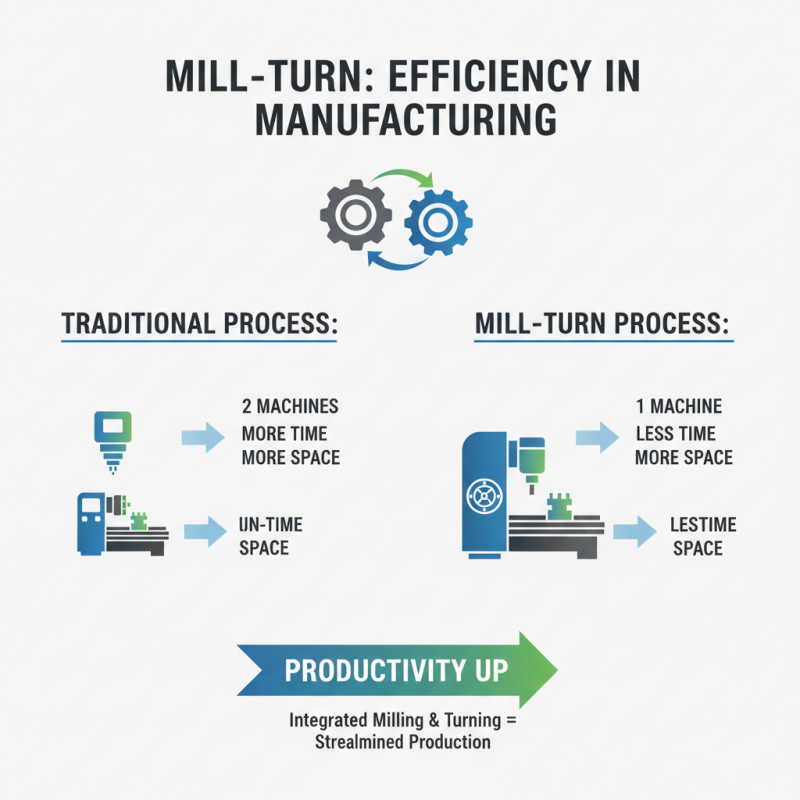
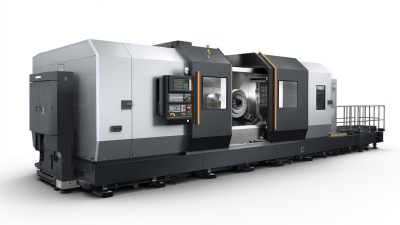
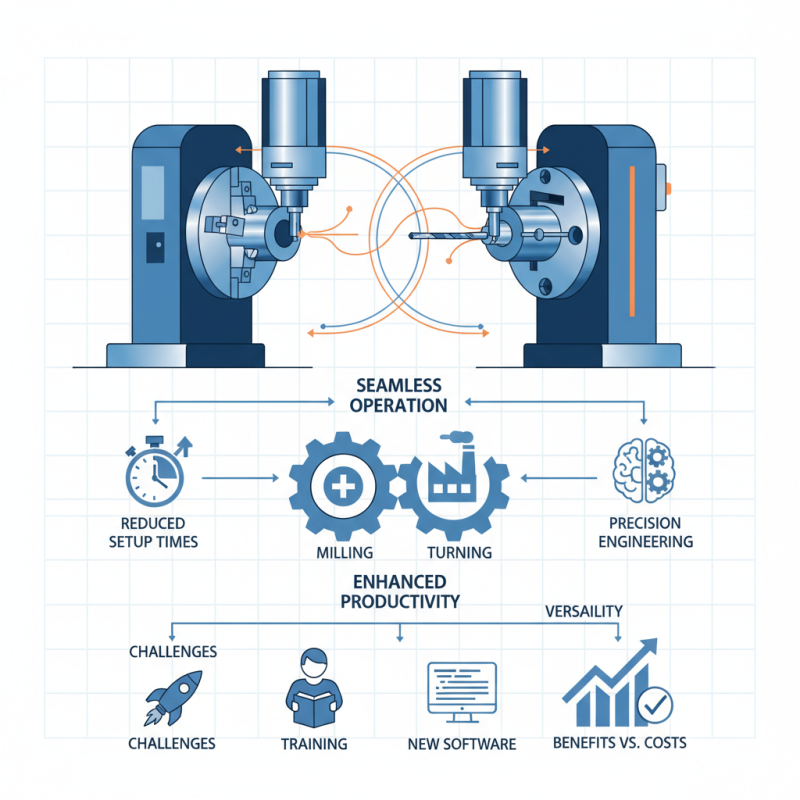
In the world of advanced manufacturing, the mill turn machine stands out as a revolutionary tool. Renowned expert John Smith, a veteran in CNC machining, once stated, "A mill turn machine transforms the way we approach precision engineering." This technology combines milling and turning processes into one seamless operation, significantly enhancing productivity and efficiency.
A mill turn machine allows manufacturers to produce complex parts in a single setup. It enables the machining of intricate geometries with high precision. Many businesses have reported reduced setup times and increased output. The versatility of this machinery can be a game-changer for industries like aerospace and automotive.
However, the transition to using a mill turn machine is not without challenges. Organizations must invest in training and new software systems. Not every business is ready for such a change. It's crucial to weigh the benefits against the learning curve and costs involved. Understanding these factors is essential for companies looking to innovate in their machining processes.
What is a Mill Turn Machine? Definition and Overview
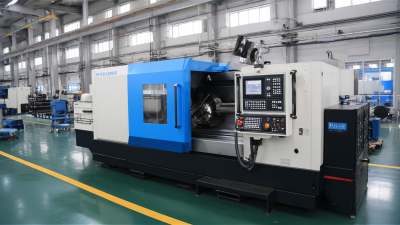
A mill turn machine integrates milling and turning processes into one setup. This machine offers versatility for metalworking, reducing setup time and increasing efficiency. The unique combination enables complex geometries that traditional machines struggle to achieve. Recent industry reports indicate that the global market for mill turn machines is expected to grow at a CAGR of 6.5% from 2021 to 2028.
Understanding how a mill turn machine operates is crucial. The tool head rotates around the part as it's fixed in place, enabling simultaneous cutting actions. This feature allows manufacturers to turn, mill, and drill within a single cycle. As a result, productions speed can increase. A study by the Manufacturing Technology Association highlighted that companies using mill turn technology saw a 20% increase in productivity on average.
Yet, complexities arise. Operators must be well-trained to manage the advanced controls effectively. Missteps can lead to costly errors, impacting production schedules. Reliability depends on machine maintenance, which can be overlooked in rapidly changing environments. Industry trends show that while adoption rates are rising, firms still grapple with the skill gap among technicians. This inconsistency raises questions about efficiency and long-term sustainability in machine operations.
Mill Turn Machine Operations Overview
This chart illustrates the operational time spent on different processes of a mill turn machine, showcasing the efficiency and versatility of the equipment across various machining operations.
Key Components of a Mill Turn Machine: Design and Functionality
A mill turn machine integrates milling and turning processes in one setup. This technology allows for versatile machining capabilities. Key components play distinct yet interconnected roles in its operation. Understanding these components is essential for effective usage.
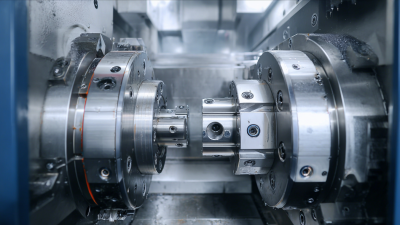
The spindle is the heart of the mill turn machine. It holds and rotates the workpiece with precision. Tool holders securely grip the cutting tools. These can be switched quickly for various applications. The machine's axes provide movement in different directions. This flexibility enhances the range of milling and turning tasks.
Coupled with CNC technology, these components offer automation. Operators can program complex parts, achieving high accuracy. However, setting up the machine often poses challenges. Misalignment can lead to errors, so careful calibration is crucial. Regular maintenance is also required to ensure optimal performance. Recognizing these factors can save time and resources in the long run.
Applications of Mill Turn Machines Across Various Industries
Mill turn machines are transforming various industries with their flexible capabilities. These machines combine milling and turning processes into one cohesive unit. This integration enhances productivity and reduces cycle times, making them invaluable for manufacturers.
In the aerospace sector, mill turn machines are vital for producing complex components that require precision and efficiency. According to a report by the International Air Transport Association, the global aerospace market is expected to reach $1 trillion by 2030. These machines enable manufacturers to meet stringent quality standards while managing costs effectively.
The automotive industry also benefits significantly from mill turn technology. A recent study by MarketsandMarkets predicts that the automotive machining market will grow at a CAGR of 6.5% by 2025. Mill turn machines allow manufacturers to create intricate parts quickly, addressing the demand for high-quality components amidst evolving market needs. These applications highlight the importance of advanced machinery in sustainable manufacturing practices.
What is a Mill Turn Machine and How Does It Work? - Applications of Mill Turn Machines Across Various Industries
| Industry |
Application |
Benefits |
Common Materials |
| Aerospace |
Manufacturing of turbine components |
High precision and reduced waste |
Aluminum, titanium |
| Automotive |
Production of engine and transmission parts |
Increased efficiency and part integration |
Steel, cast iron |
| Medical Devices |
Creating surgical instrument components |
High accuracy and surface finish |
Stainless steel, plastic |
| Energy |
Manufacturing components for wind turbines |
Complex shapes and durability |
Composite materials, metals |
| Electronics |
Fabricating housing for electronics |
Precision and functionality |
Aluminum, plastic |
Comparative Analysis: Mill Turn Machines vs. Traditional Machining Methods
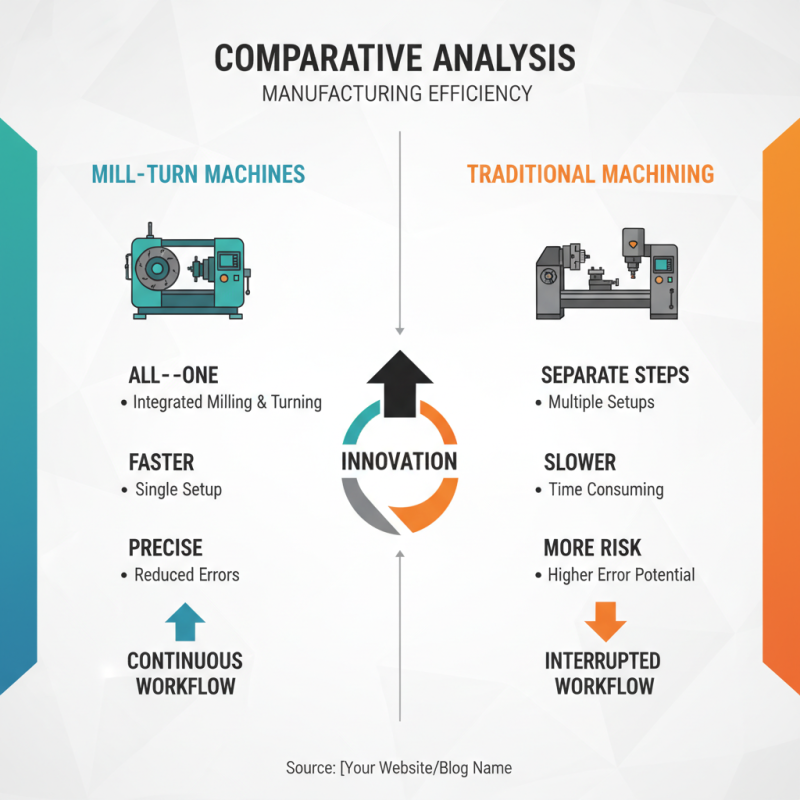
Mill turn machines represent an innovative leap in manufacturing technology. They combine milling and turning processes in one unit. This integration enhances efficiency, particularly for complex geometries. Traditional machining methods often require multiple setups. This not only consumes time but also increases the risk of errors. By contrast, mill turn machines allow for continuous part production, significantly improving workflow.
However, not all operators find adopting mill turn technology straightforward. The learning curve can be steep. Technicians may need extensive training to master programming and operating these machines effectively. Additionally, machining configurations can be more complex, potentially leading to initial production hiccups. Traditional machining might still hold an edge in certain situations, especially for less complex tasks.
In terms of precision, mill turn machines often outperform traditional methods. The ability to complete both milling and turning in one setup reduces tolerances and enhances accuracy. Yet, they require significant investment and maintenance. Companies must weigh these factors carefully. In some instances, sticking with reliable traditional machinery could be a more pragmatic choice. Overall, the decision hinges on specific operational needs and capabilities.