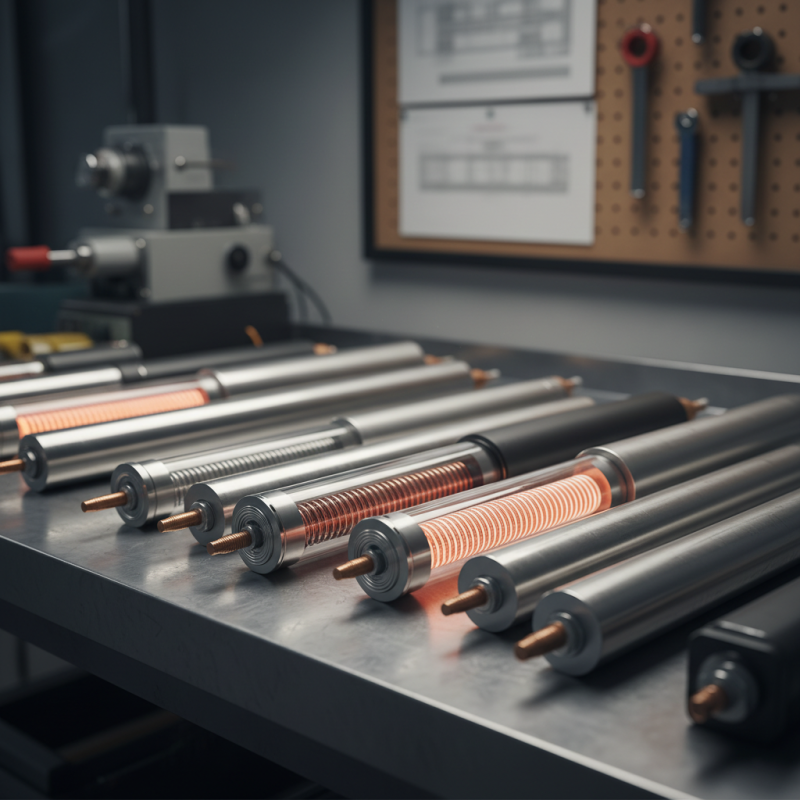
2026 How to Choose the Best Electric Resistance Heating Pipe?
Choosing an Electric Resistance Heating Pipe requires careful consideration. These pipes are essential in providing efficient heating solutions for various applications. With advancements in technology, models vary widely in efficiency and design, making the selection process challenging.
Expertise matters when choosing an Electric Resistance Heating Pipe. Factors to consider include the material, watt density, and application requirements. A higher watt density may heat faster but could shorten the pipe's lifespan. Users must balance efficiency with durability.
Furthermore, be mindful of installation requirements. Not all setups are straightforward. Your space may limit options. It's crucial to have a clear understanding of heating needs before making a decision. Reflecting on your specific conditions will lead to better outcomes.
Factors to Consider When Choosing Electric Resistance Heating Pipes
When selecting electric resistance heating pipes, several critical factors demand attention. First, the material composition is vital. Common materials include copper and stainless steel. Each has unique thermal conductivity properties. A 2021 industry report highlighted that stainless steel pipes can withstand higher temperatures, making them suitable for high-efficiency systems. Understanding these properties benefits energy consumption.
Another consideration is pipe sizing. Diameter and length directly impact heat distribution and efficiency. A report from the Energy Efficiency Association noted that improperly sized pipes can reduce system efficiency by up to 20%. Installing the wrong size can lead to hot spots or inadequate heating.
Installation complexity also varies between models. Some pipes require professional installation, while others allow DIY setups. A survey within the heating industry revealed that nearly 30% of users faced challenges during installation due to unclear guidelines. Evaluate the installation requirements to ensure a smooth setup. Each factor you explore adds to your understanding. Balancing these elements will lead to better heating solutions in your space.
Electric Resistance Heating Pipe Efficiency Comparison
Understanding Different Types of Electric Resistance Heating Pipes
Electric resistance heating pipes come in various types. Understanding these types is key to making the right choice. The most common are metal pipes, often used for their durability and heat efficiency. They can withstand high temperatures and are generally reliable. However, they can be heavier and may require additional support in installation.
Another option is the silicone heating pipe. This type is flexible and easy to install. It can conform to different shapes and spaces, making it versatile. Yet, it often lacks the same durability as metal pipes and may not perform as well in extreme conditions.
When selecting a heating pipe, consider the installation environment. The choice of material significantly affects energy efficiency and longevity. Examine your needs closely, as each type has pros and cons. Choosing the right heating pipe requires careful thought and planning. Balancing cost, efficiency, and installation requirements can be challenging.
Evaluating Heating Efficiency and Power Requirements
When evaluating electric resistance heating pipes, heating efficiency is crucial. Industry reports indicate that efficiency ratings can vary significantly. Some systems achieve up to 95% efficiency, while others may fall below 80%. This disparity affects both energy consumption and overall cost. Selecting a pipe with high efficiency can lead to lower utility bills. However, it's essential to consider installation costs associated with more efficient systems.
Power requirements also play a vital role in your decision-making process. Calculate the necessary energy output based on your space's size and insulation level. A common estimate is 10 watts per square foot for standard environments. For poorly insulated areas, this figure might increase to 15 watts. These calculations help ensure the system can maintain desired temperatures effectively. Yet, one must reflect on potential over-sizing, which may increase energy waste and reduce efficiency.
Consumers sometimes overlook the importance of proper sizing. An oversized heater may cycle on and off frequently. This can create temperature fluctuations and shorten the system's lifespan. A balanced approach is key. Consult with professionals who understand local climate conditions and building specifications. They can provide tailored recommendations for optimized heating performance and energy efficiency.
2026 How to Choose the Best Electric Resistance Heating Pipe? - Evaluating Heating Efficiency and Power Requirements
| Pipe Type | Heating Efficiency (%) | Power Requirement (kW) | Max Temperature (°C) | Lifespan (Years) |
| Copper Pipe | 95 | 3.5 | 200 | 10 |
| Stainless Steel Pipe | 90 | 4.0 | 250 | 15 |
| Aluminum Pipe | 88 | 2.8 | 180 | 8 |
| Polymer Pipe | 85 | 2.0 | 90 | 5 |
Maintenance and Durability of Electric Resistance Heating Pipes
When considering the maintenance and durability of electric resistance heating pipes, several factors come into play. Regular inspection is crucial. Check for signs of wear, rust, or leaks. A small issue can escalate if left unattended. The materials used in the pipe construction impact longevity. Corrosion-resistant materials tend to last longer, but they also require specific care to maintain their properties.
Tips: Ensure proper installation to avoid stress points. These areas are more likely to fail over time. Consider using thermal insulation to reduce the strain on the heating element. Insulation can improve efficiency and decrease energy costs. A well-insulated pipe system is less likely to encounter overheating damage.
Be mindful of the environment where the pipes are placed. Extreme temperatures and humidity levels can affect durability. If your installation is in a harsh location, additional protective measures may be necessary. Regular servicing by a qualified professional can help catch potential problems early. Routine maintenance helps prolong the life of your heating system. Ignoring these factors may lead to unexpected failures and costly repairs.
Cost Analysis and Budgeting for Electric Resistance Heating Solutions
When considering electric resistance heating solutions, cost analysis is crucial. The initial purchase price can vary widely based on pipe materials and lengths. For instance, choosing high-quality materials can increase upfront costs. Research shows that cheaper options may lead to higher long-term energy expenses. Keeping this in mind can help in making informed decisions.
Budgeting for electric heating systems requires more than just initial costs. Installation fees can add significantly to the budget. For example, hiring professionals ensures proper setup but raises expenses. Analyzing potential electricity bills is also key. Energy consumption can fluctuate throughout the year, impacting overall costs. A close review of local electricity rates can aid in estimating future expenses.
Ultimately, balancing initial costs against potential savings is essential. Investing in energy-efficient solutions may seem costly initially. However, they typically offer improved performance and longer lifespan. With careful planning, it's easier to navigate the complexities of budgeting for electric resistance heating. Reflecting on these factors can lead to better choices in home heating solutions.