Ultimate Guide to Customized Valve Guides for Performance Engines?
When it comes to enhancing performance engines, the importance of a well-chosen valve guide cannot be overstated. Valve Guide Customized options offer a way to tailor materials, dimensions, and designs to meet specific engine requirements. For racers and enthusiasts, this customization can translate to substantial improvements in speed and reliability.
Understanding the nuances of valve guide customization is crucial. Each engine is unique, and what works for one may not work for another. This complexity can seem overwhelming for some. Yet, it is essential to embrace this challenge. Choosing the right valve guide can mean the difference between engine efficiency and catastrophic failure.
Many engine builders overlook the significance of valve guide customization. This oversight can lead to performance disruptions. However, taking the time to explore customized valve guides can yield remarkable results. Balancing precision with innovation is key. Ultimately, investing in a proper valve guide customization could unlock your engine's full potential.
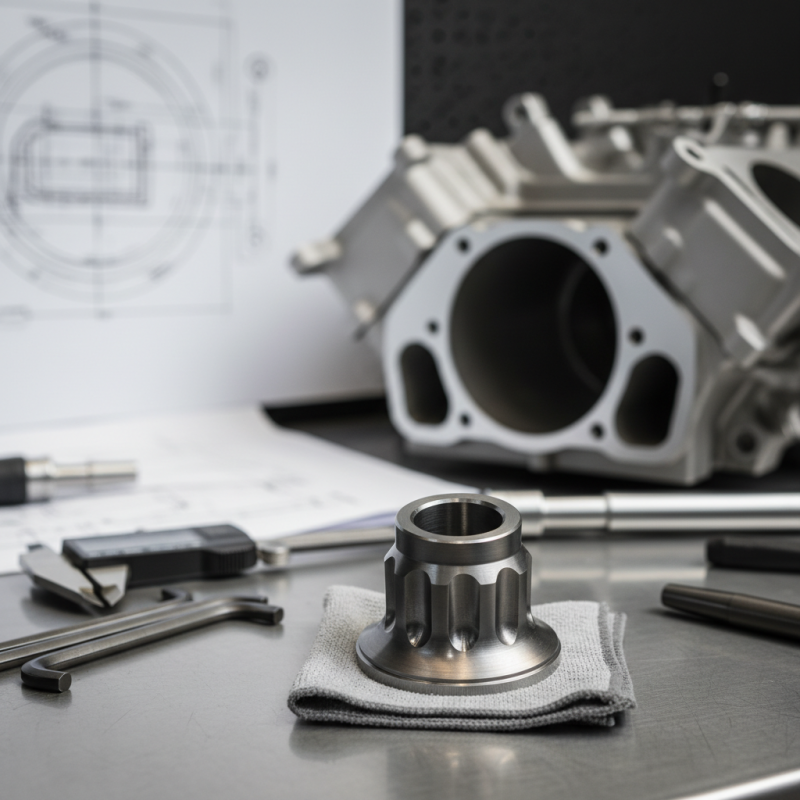
Understanding Valve Guides: Definition and Purpose in Performance Engines
Valve guides play a crucial role in the performance of high-powered engines. They ensure that the intake and exhaust valves operate smoothly and efficiently. These cylindrical components help maintain the correct alignment of the valves. When properly installed, valve guides improve engine performance and longevity.
Tips: Choosing the right material can significantly impact valve guide performance. Consider using bronze or steel for better heat resistance.
Valve guides also help control the flow of oil to the valve stem. This lubrication minimizes friction and wear. As a result, the engine runs more smoothly. A poor fit or worn guides can lead to valve sticking or a loss of power. Regularly inspect and replace any worn parts to prevent bigger issues.
Tips: Measure valve guide clearance. A tight fit may cause problems. Use a micrometer to ensure precision for optimal performance.
Performance engines require precise tolerance levels. Customized valve guides can be tailored to meet specific performance goals. It's essential to work with experienced professionals to improve your engine's efficiency. Investing time and effort into understanding valve guides can lead to a better driving experience.
Factors Influencing Customization of Valve Guides for Engine Performance
When customizing valve guides for performance engines, several factors play a crucial role. Material choice is significant. Common materials, like bronze and stainless steel, offer different thermal conductivities. For instance, bronze has higher thermal transfer rates, which can enhance engine cooling. However, it may compromise durability compared to steel. Choosing the right material isn’t always clear-cut.
Another factor is the size and shape of the valve guides. These influences affect airflow and, ultimately, engine efficiency. Customization allows for fine-tuning dimensions to match specific performance goals. Many tuners report up to a 10% increase in airflow just from optimal valve guide designs. Yet, getting these measurements right can be challenging. Small errors can lead to significant performance losses.
Temperature management is vital too. Customized valve guides can help maintain optimal operating temperatures. Enhanced heat dissipation can lower overall engine wear. Studies indicate that up to 15% of performance can be lost due to excessive heat. Despite these potential gains, many enthusiasts still overlook valve guide customization. This reflects a need for greater education in the community about the performance benefits.
Materials Used in Customized Valve Guides: Pros and Cons
When considering customized valve guides, the choice of materials is crucial. Common options include bronze, stainless steel, and aluminum. Each has distinct advantages and limitations. For instance, bronze guides promote excellent wear resistance. They can withstand high temperatures, making them a solid choice for performance engines. However, they may not be as lightweight as aluminum. According to industry reports, bronze valve guides are known to last longer than others, especially in heavy-duty applications.
Stainless steel, on the other hand, offers superior strength. It resists corrosion and has a longer lifespan. However, it can lead to increased friction, possibly affecting engine efficiency. Aluminum is lightweight and can improve performance metrics. Yet, it is more prone to wear under high-stress conditions. Many engine builders weigh these pros and cons when deciding what suits their power goals.
Tip: Always assess your engine's specific needs before selecting a material. Testing various materials can provide insights into performance differences. Additionally, consider how each material interacts with your engine's overall design. Experimentation may reveal surprising outcomes that could enhance performance.
Installation Process of Customized Valve Guides: Step-by-Step Guide
Installing customized valve guides can enhance your engine's performance significantly. The process requires precision and careful attention to detail. Start by removing the cylinder head. This part is crucial; any mistake here can lead to complications later.
Next, clean the valve guide area thoroughly. Debris can cause misalignment. After cleaning, measure the old guides. Ensure the new customized guides fit properly. You may need to use a reamer for a snug fit. Always check clearances. Incorrect measurements can lead to severe engine damage.
Once the guides are in place, proceed with the valve installation. Be gentle but firm. It can be challenging to balance everything correctly. Don't rush; double-check your work. Remember, every step matters in the quest for performance.
Benefits of Upgrading to Customized Valve Guides in Performance Engines
Upgrading to customized valve guides can significantly enhance performance engines. These guides improve valve alignment, ensuring a better seal. A better seal translates into increased efficiency. Engines run smoother, leading to higher power output. Drivers often feel the difference in acceleration and responsiveness.
Customized valve guides are made from advanced materials. This helps in reducing wear and tear, extending the life of the engine. However, not every upgrade is perfect. Some might face installation challenges. Achieving the right fit requires precision. Any mistake can lead to poor performance instead of improvements.
Drivers need to consider their specific goals. What are they looking to achieve? Increased horsepower? Better fuel efficiency? Understanding this can help in making informed decisions. Sometimes, customizing parts can lead to unexpected issues. Careful planning and consideration are essential.
Ultimate Guide to Customized Valve Guides for Performance Engines
| Property | Standard Part | Customized Part | Benefits |
| Material | Cast Iron | High-Performance Alloys | Increased Durability |
| Weight | Standard Weight | Lightweight Design | Improved Engine Response |
| Guide Diameter | Standard Diameter | Optimized Diameter | Enhanced Flow Dynamics |
| Lubrication | Standard Lubrication | Advanced Lubrication System | Reduced Friction Loss |
| Heat Resistance | Standard Heat Resistance | High Heat Resistance | Improved Performance Under High Load |