What to Know About CNC Aluminium Machines for Global Buyers?
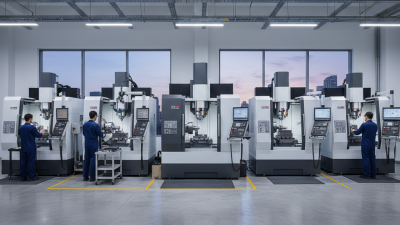
As global demand for precision engineering grows, the CNC aluminium machine industry stands at a pivotal junction. According to a recent report by MarketsandMarkets, the global CNC machine market is projected to reach $117.37 billion by 2026, driven by advancements in automation and manufacturing technologies. Such growth points to a higher demand for CNC aluminium machines, which are instrumental in various industries, including aerospace, automotive, and electronics.
The versatility of CNC aluminium machines allows for the efficient production of complex parts with high precision. A study by Grand View Research highlights that machined aluminum components contribute significantly to lightweight structures, enhancing fuel efficiency in automotive applications. However, enterprising buyers must navigate challenges such as fluctuating raw material costs and technological updates. Understanding these dynamics can significantly impact investment decisions and operational efficiency.
While the CNC aluminium machine market offers vast opportunities, it also presents challenges. New buyers must consider factors like machine maintenance and compatibility with existing systems. It is crucial to engage with industry experts to mitigate risks. Ultimately, informed decisions can lead to successful implementations and long-term benefits.
Understanding CNC Aluminium Machines: A Comprehensive Overview
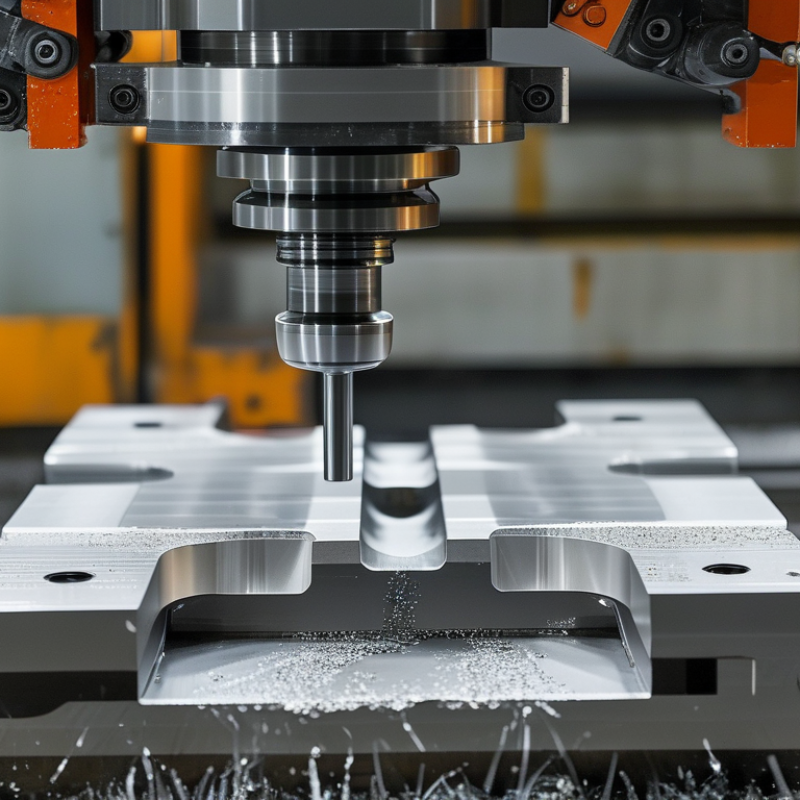
CNC aluminium machines are vital in modern manufacturing. They provide precision and efficiency in creating intricate parts. Understanding how these machines operate can benefit global buyers.
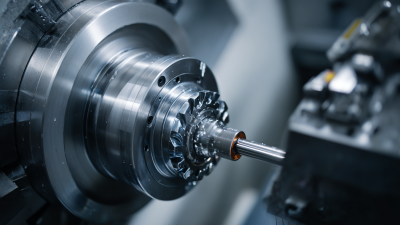
These machines use computer numerical control to automate cutting, shaping, and finishing processes. They can handle complex designs with high accuracy. Buyers should consider the types of CNC machines available. Some are better suited for certain tasks. Not all machines are versatile; choosing the right one matters.
When investing in a CNC aluminium machine, buyers must assess their needs. Are they focusing on mass production or custom jobs? Maintenance is another key factor. Regular upkeep ensures longevity and performance. However, it can be time-consuming and costly. Reflecting on the challenges can help buyers make informed choices.
Key Features and Specifications of CNC Aluminium Machines
CNC aluminium machines are essential in manufacturing and machining sectors. These machines automate cutting, drilling, and milling of aluminium materials. Understanding their features helps buyers make informed decisions.
Key specifications include precision, speed, and versatility. Many machines can achieve tolerances of 0.01 mm or better. Reports indicate that up to 70% of manufacturers prioritize accuracy, as even minor errors can lead to costly reworks. The spindle speed usually ranges from 10,000 to 50,000 RPM, enhancing efficiency.
Another important aspect is the machine's control system. Most modern CNC aluminium machines come with user-friendly interfaces, but complexity may vary. Some users struggle to adapt to advanced systems. Additionally, the weight and size of these machines can impact transportation logistics. Choosing the right machine involves considering both operational efficiency and practical limitations.
What to Know About CNC Aluminium Machines for Global Buyers?
| Feature |
Specification |
| Machine Type |
3-Axis, 4-Axis, 5-Axis |
| Max Working Area |
2000 x 1000 x 500 mm |
| Spindle Power |
3 kW to 12 kW |
| Spindle Speed |
10000 to 24000 RPM |
| Control System |
G-code Compatible |
| Table Surface |
T-slot aluminum table |
| Weight |
1000 kg to 3000 kg |
| Power Supply |
220V / 380V |
| Software Compatibility |
CAD/CAM Software |
| Applications |
Aerospace, Automotive, Electronics |
Types of CNC Aluminium Machines and Their Applications
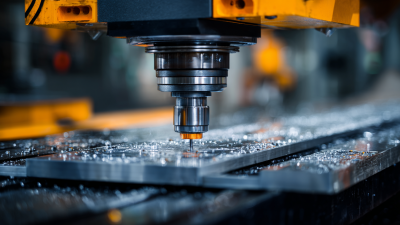
CNC aluminium machines come in various types, each suited for specific applications. One common type is the CNC milling machine. This machine can create complex parts with high precision. It is often used in the automotive and aerospace industries.
Another type is the CNC laser cutter. This machine is ideal for cutting aluminium sheets into intricate shapes. It offers speed and efficiency, making it perfect for custom projects. Users find it beneficial for artistic applications and prototypes.
Tips: Always consider the machine's compatibility with your projects. Not all CNC machines handle every aluminium grade. Assess your needs carefully. Sometimes, the choice of machine can lead to unexpected challenges. Regular maintenance and proper training can help avoid these pitfalls.
Choosing the Right CNC Aluminium Machine for Your Needs
Choosing the right CNC aluminium machine is crucial for efficiency. Buyers must consider materials, precision, and production volume. Studies indicate that machining aluminium can reduce processing time by up to 30% when using the right equipment. This efficiency translates to significant cost savings, especially for high-volume production.
Buyers should examine the machine’s specifications closely. Pay attention to spindle speed, feed rate, and tool compatibility. A machine with a spindle speed of around 24,000 RPM can handle intricate designs effectively. Furthermore, according to the International Federation of Robotics, the demand for CNC machines has increased by over 10% annually. This trend emphasizes the importance of selecting a machine tailored to specific needs.
Not every machine suits every purpose. Inaccuracies may arise from using a low-spec model for complex tasks. Additionally, maintenance is often overlooked. Regular checks can prevent costly downtime. Reflections on machine capabilities can lead to better decision-making. Understanding the machine's limitations is just as critical as knowing its strengths.
Maintenance Tips for Ensuring Longevity of CNC Aluminium Machines
CNC aluminium machines play a crucial role in the manufacturing industry. To maximize their efficiency and longevity, proper maintenance is essential. A report by the Manufacturing Tech Institute indicates that regular maintenance can extend machine life by up to 40%.
Regularly check lubrication levels and coolant systems. Insufficient lubrication can lead to increased wear and tear. This can affect precision and result in costly repairs. Also, keep your machine clean. Dust and metal shavings can accumulate, leading to overheating. This can decrease the lifespan of components.
Routine inspections are vital. Look for unusual sounds or vibrations, which can signal underlying problems. Addressing these issues early can prevent severe damage. Operators should also stay informed about updates in maintenance practices. Continuous education enhances skills and knowledge. Pay attention to the manufacturer's guidelines as they provide tailored advice based on equipment specifications. Neglecting these details can lead to unforeseen breakdowns.
Maintenance Tips for Ensuring Longevity of CNC Aluminium Machines