How to Choose the Best Plaster Saw for Your Projects?
Choosing the right Plaster Saw can significantly impact your project’s outcome. A plaster saw is essential for effective plastering and remodeling tasks. With numerous options available, selecting the best one may feel overwhelming.
Consider your specific needs. Do you require precision for intricate designs? Or are you working on larger surfaces? Each task demands a different type of plaster saw. Take time to research features like blade type, length, and ergonomics.
Feel free to explore reviews and user experiences. However, not every suggestion will fit your situation. A saw that works for one person may not suit another. Reflect on your skills and the projects ahead. Choosing the right plaster saw is a crucial step in achieving professional results.
Understanding Plaster Saws: Types and Their Functions
When considering plaster saws, it's crucial to understand the types available. Generally, two main categories exist: manual and power saws. Manual plaster saws, such as jab saws, rely on hand strength. They are excellent for small projects or detailed edge work. Power saws, on the other hand, excel in efficiency for larger tasks. Reports indicate that power saws can cut up to 50% faster than manual options. This speed can be a significant advantage in professional settings.
Each plaster saw type serves distinct functions based on the materials used. For instance, a tile saw may handle harder substances, while a drywall saw is suited for softer materials like gypsum. A survey found that 45% of contractors prefer specific tools based on the job's requirements. However, many users still struggle to select the right tool. This often leads to inefficiencies and potential damage to the materials.
Considering the user’s skill level is essential. Less experienced individuals might favor manual saws due to their control. However, this doesn’t alleviate the risk of uneven cuts. Furthermore, some users overlook safety features. Without proper precautions, injuries can occur, which raises concerns about responsible tool usage. Awareness and education about these saws can significantly enhance the user experience and project outcomes.
Key Features to Look for When Selecting a Plaster Saw
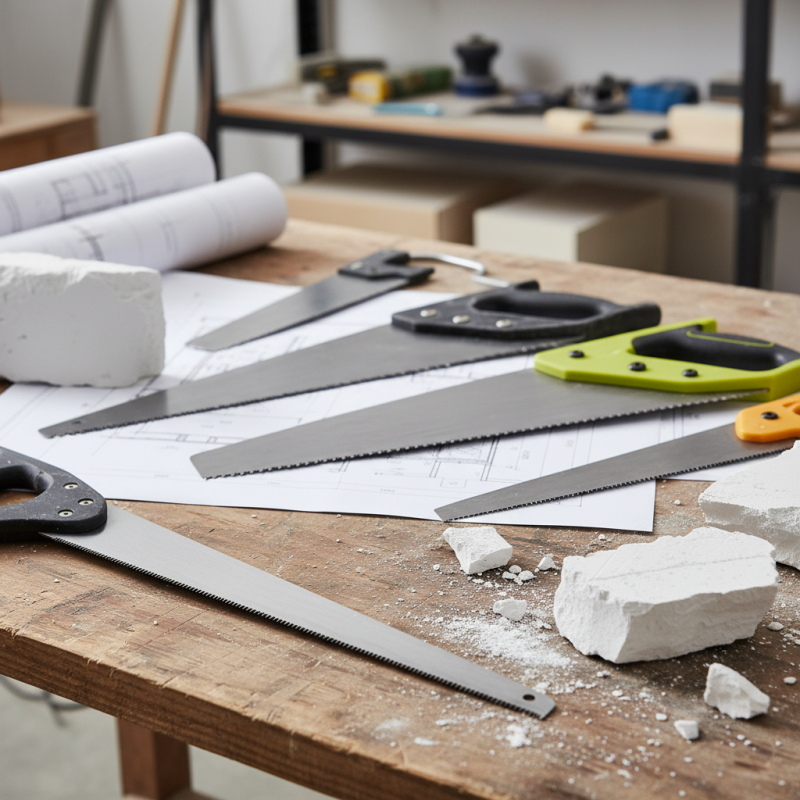
When choosing a plaster saw, it’s vital to consider several key features. A good plaster saw should have a comfortable grip. This reduces fatigue during long use. The design of the blade matters, too. Look for serrated blades that can easily cut through various materials. According to industry reports, the right blade type can enhance cutting efficiency by nearly 20%.
Another important feature is the saw's versatility. A multi-purpose plaster saw can handle various tasks. Whether it's cutting drywall or plasterboard, versatility is crucial. Some saws come with adjustable handles, allowing users to adapt to different angles. This flexibility not only improves comfort but also increases accuracy.
Tips: Always prioritize ergonomics over aesthetics. A stylish saw won't work well if it’s uncomfortable. Regularly sharpen your saw for optimal performance. A dull blade can slow progress and lead to uneven cuts. Keep in mind that even the best tools require maintenance. Neglecting upkeep can result in subpar results. Evaluate each option thoughtfully to find the best fit for your projects.
Evaluating the Size and Design of Plaster Saws for Your Needs
When choosing a plaster saw, size and design play crucial roles. A small saw may feel nimble, but it can struggle on larger projects. According to industry reports, a saw with a blade length of 12 to 14 inches works well for most applications. However, for intricate cuts, consider models with shorter blades. These provide better control and precision.
Weight and grip are equally important. A lightweight design can reduce fatigue during prolonged use. Many professionals recommend models that weigh less than 5 pounds for ease of handling. Despite the advantages, not all designs are comfortable for everyone. User reviews often highlight issues with grip comfort. Ergonomics can make a significant difference.
Blade material also matters. High-carbon steel blades are popular for their durability. However, they may require more effort to maintain. Reports indicate that stainless steel blades provide better longevity but can be heavier. Reflect on what you prioritize for your tasks. Not every saw will meet all needs perfectly. The balance between features and user comfort should drive your decision.
Assessing Budget and Price Range for Quality Plaster Saws
Choosing the right plaster saw involves careful consideration of your budget. Price ranges can vary widely. Some saws may offer basic features at lower costs, while others deliver advanced capabilities at a premium. Understand your needs before making a choice. You don’t always need the most expensive tool for effective projects.
When assessing costs, it's crucial to identify materials and frequency of use. A high-end plaster saw could be overkill for occasional DIY projects. Conversely, spending too little might compromise durability and performance. Inspect user reviews to gauge value for money. Look for insights on longevity and efficiency.
Remember, not everyone has the same project scale. Assess how often you’ll use the saw. If it’s a rare task, why invest heavily? Yet, for regular renovations, reliable performance becomes essential. Reflect on these factors to ensure wise spending. Quality tools often lead to better outcomes, so weigh cost against capability.
Comparison of Plaster Saw Prices and Features
Safety Considerations When Using Plaster Saws in Projects
Using plaster saws can be hazardous without proper safety precautions. Reports indicate that most injuries occur due to improper use or lack of safety gear. Always prioritize using personal protective equipment (PPE). This includes goggles, masks, and gloves. These items safeguard against dust and flying debris, which can cause serious injuries.
Dust is a significant concern when cutting plaster. Studies show that prolonged exposure to this dust can lead to respiratory issues. It’s essential to work in a well-ventilated area. Consider using dust extraction systems or masks rated for particulate protection. Review the user manual for specific recommendations regarding safety features.
Never ignore the importance of a sturdy work setup. An unstable workspace can lead to accidents. Ensure your plaster saw is correctly calibrated before use. Frequent maintenance checks can prevent malfunctions during projects. Staying aware of your surroundings is critical, especially when working on larger jobs with multiple people. Keeping a tidy area reduces trip hazards. Attention to these details can significantly enhance safety while using plaster saws.