How to Choose the Best Packing Machine for Your Business?
Choosing the right Packing machine for your business can be daunting. Jon Smith, an expert in packaging solutions, emphasizes, "Selecting the right packing machine can make or break your production line." When businesses evaluate packing machines, they must consider several factors. Every industry has unique needs. Understanding these needs is crucial. The right machine boosts efficiency and reduces waste.
Many companies make hasty decisions. They may overlook essential features. This can lead to challenges down the line. For example, speed and versatility are important, but so is maintenance. If a packing machine is too complex, staff may struggle to use it correctly. The best choice is a balance of technology and user-friendliness.
A well-made packing machine can enhance a company’s image. It’s not just about speed; presentation matters too. Ultimately, businesses must ask questions and reflect. Investing time in research can yield significant rewards. The right packing machine can elevate operations to new heights.
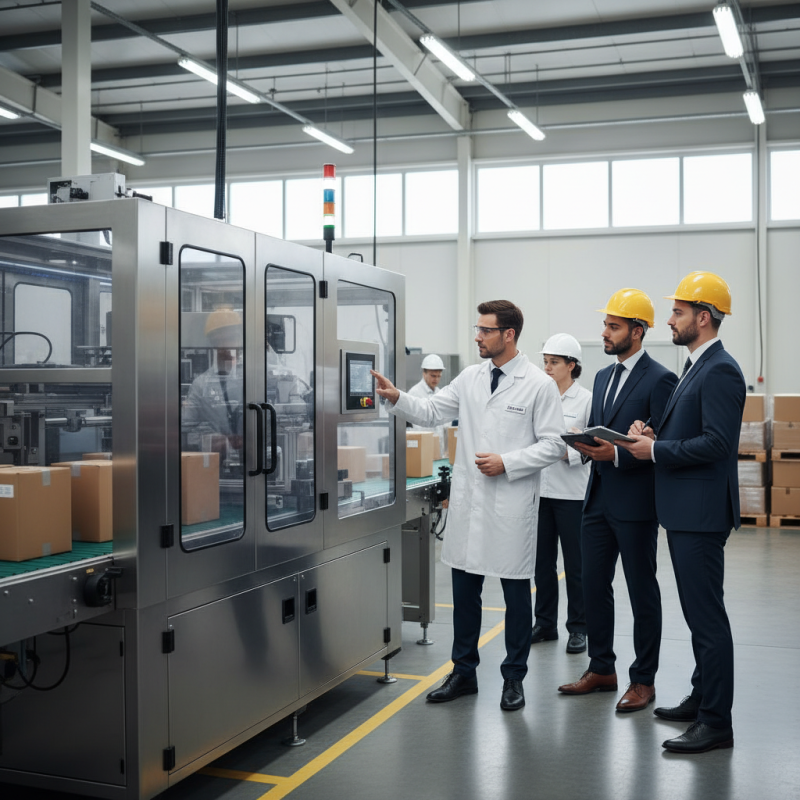
Factors to Consider When Selecting a Packing Machine for Your Needs
Choosing the right packing machine is crucial for your business’s efficiency. Factors like speed and output should be primary considerations. If your product line varies, flexibility becomes important. A machine that can handle multiple packaging formats may save you time and reduce costs in the long run.
Another key factor is the machine's size. Ensure it fits your workspace while accommodating your production volume. Consider maintenance needs as well. A machine that requires frequent repairs can disrupt operations and add hidden costs. Reliability is often underestimated but is essential for smooth workflow.
Don't forget about the operator's experience. Machines that are complicated may need extensive training, impacting productivity. Researching options can lead you to discover what others might miss. Understanding your specific needs can enhance your decision-making. Ultimately, it’s about balancing various factors to find the best fit, even if it means making compromises in some areas.
Understanding Different Types of Packing Machines Available in the Market
When selecting the right packing machine, it is crucial to understand the different types available in the market. There are several key categories: horizontal form-fill-seal machines, vertical form-fill-seal machines, and fully automated systems. According to a recent industry report, the global packing machine market is projected to grow at a compound annual growth rate (CAGR) of 4.3% from 2021 to 2026. This growth reflects the increasing demand across various sectors, including food, pharmaceuticals, and consumer goods.
Horizontal form-fill-seal machines are ideal for packaging flexible products. They offer high-speed production but may require more space. Vertical machines save space and are suitable for powders or granules. Fully automated systems can integrate with production lines, enhancing efficiency. However, the initial investment may be significant, making it a challenging decision for small businesses.
When choosing the best machine, factors like production volume, product type, and available space must be considered. For instance, smaller operations might benefit from semi-automated machines, which provide flexibility without the high costs. Each option has unique benefits and drawbacks. Ultimately, understanding these factors can help align your business's needs with market offerings.
Key Performance Metrics: Speed, Efficiency, and Flexibility in Packing
When selecting a packing machine, speed, efficiency, and flexibility are crucial performance metrics. Research indicates that a well-chosen machine can enhance productivity by up to 25%. Fast packing speeds reduce bottlenecks during production. Recent industry surveys reveal that 70% of warehouses prioritize speed when sourcing machines. It's essential to understand your specific packing needs.
Efficiency also plays a significant role in operational costs. Reports show that optimizing packing processes can cut labor costs by 30%. Lack of automation can lead to errors and wasted resources. Integration of advanced technology, such as sensors and AI, has shown to improve accuracy. However, transitioning to automated systems requires investment and training.
Flexibility is vital for businesses with varying product types. Machines that adapt to multiple formats enable faster responses to market changes. A study found that 60% of businesses struggle with inflexible packing solutions. They face challenges when demand fluctuates. Choosing the right packing machine means balancing speed, efficiency, and adaptability for long-term success. Consider how these factors align with your operational needs and future growth.
Cost Analysis: Balancing Quality and Investment in Packaging Equipment
When selecting a packing machine, cost analysis is crucial. The initial investment might be daunting. However, high-quality machinery can significantly enhance efficiency and reduce long-term expenses. A recent industry report indicates that businesses often underestimate maintenance costs and downtime related to cheaper machines. Investing in reliable equipment can ultimately provide higher returns.
Consider the balance of quality and cost. A study shows that companies spending 15% more on quality equipment experience 30% fewer operational problems. This leads to decreased production downtime and lower labor costs. The right machine can also improve packaging accuracy, enhancing customer satisfaction and reducing waste.
Reflecting on these factors, businesses may realize they prioritized short-term savings over long-term efficiency. While lower-priced options seem attractive, they may lead to higher costs in maintenance and repair. Understanding the total cost of ownership is essential in making an informed decision. The right approach can transform packaging processes and contribute to business growth.
Cost Analysis of Different Packing Machines
Industry Trends: Innovations in Packing Technology for Competitive Advantage
The packing industry is undergoing rapid transformation. Recent reports indicate that automation and smart technology are leading this change. In fact, the global packing machinery market is expected to grow by 4.3% annually, reaching $55 billion by 2026. Innovations like IoT and AI are becoming game-changers for businesses aiming for efficiency. These technologies can provide real-time data and predictive analytics, helping businesses optimize their operations.
Tips: Consider how easy the machinery is to integrate with your existing systems. Look for machines that offer flexibility, as consumer demands change frequently.
Sustainability is a major focus. Around 70% of consumers prefer brands that prioritize eco-friendly practices. Packing solutions that minimize waste or use biodegradable materials can enhance brand loyalty. However, not all technologies are accessible to small businesses. It's vital to assess your budget against the potential return on investment.
Tips: Research future trends in packing technology. Investing in equipment with advanced features may pay off as your business scales.
Selecting the right packing machine involves balancing innovation with practicality. Keeping an eye on market trends can guide your choices, but always consider your specific needs and constraints. Efficiency and sustainability should be at the forefront of your decision-making process.