Why Choose a Vertical Machining Center for Your Business Needs?
In today's manufacturing landscape, the choice of equipment can significantly impact productivity and efficiency. The Vertical Machining Center (VMC) has emerged as a vital asset for businesses seeking precision and versatility. According to a report by IBISWorld, the machining industry is expected to experience a steady growth rate of 4.2% annually through 2025. This growth highlights the increasing reliance on advanced machinery.
Expert Paul Johnson, a renowned industry analyst, states, "Investing in a Vertical Machining Center often means embracing innovation." VMCs offer unique advantages like multi-axis capabilities and efficient space utilization. They can handle complex parts with remarkable accuracy. However, while they present numerous benefits, companies must also consider the initial investment and operational costs.
Many companies have seen improved production cycles and reduced lead times after integrating VMCs into their processes. Still, it’s essential to weigh these advantages against potential challenges. Understanding the true costs of ownership and maintenance remains crucial for long-term success in using Vertical Machining Centers.
Understanding Vertical Machining Centers and Their Functionality
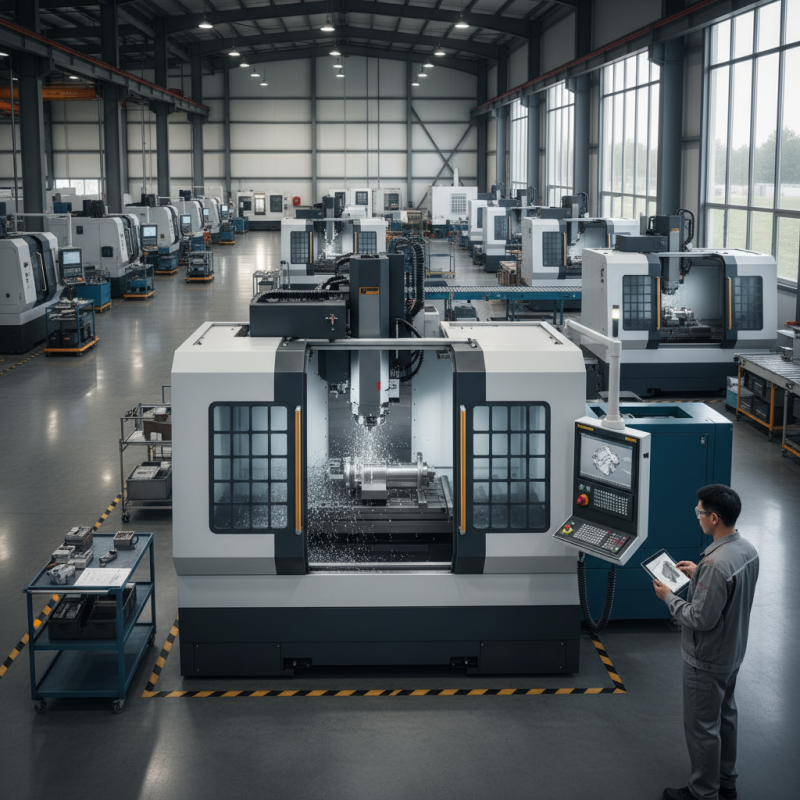
Vertical machining centers (VMCs) have become essential for modern manufacturing. These machines utilize a vertical spindle to hold and cut materials. This design allows for high precision and efficiency, making them ideal for various applications. The vertical orientation provides easy access for operators and better visibility of the workpiece.
In terms of functionality, VMCs excel in producing complex shapes and tight tolerances. They are equipped with multiple axes, allowing for intricate machining tasks. This versatility makes them suitable for industries ranging from aerospace to automotive. Operators can create components with diverse techniques, such as milling, drilling, and tapping.
However, selecting a VMC is not without challenges. The initial investment can be significant, and ongoing maintenance is crucial for optimal performance. Businesses must weigh the costs against the potential for increased productivity. Each machining center has unique specifications that may or may not fit specific production needs. Understanding these nuances is vital for making an informed choice.
Why Choose a Vertical Machining Center for Your Business Needs?
| Feature | Benefits | Applications |
| Precision | Offers high accuracy in machining complex parts | Aerospace, Medical Devices |
| Flexibility | Can handle various materials and sizes effectively | Automotive, Electronics |
| Ease of Use | User-friendly interfaces simplify operations | General Manufacturing |
| Cost-Effectiveness | Reduces labor and production costs | Small to Medium Businesses |
| Durability | Robust construction ensures longevity | Heavy Machinery, Oil & Gas |
Key Benefits of Using Vertical Machining Centers in Manufacturing
Vertical machining centers (VMCs) are increasingly popular in the manufacturing sector due to their distinct advantages. One key benefit of using VMCs is their high precision and efficiency. Reports indicate that VMCs can achieve tolerances of up to ±0.005 inches. This level of accuracy allows manufacturers to produce intricate components with minimal need for rework, saving both time and resources.
Moreover, VMCs are equipped with advanced software capabilities. This enables manufacturers to optimize machining processes. For instance, with computer numerical control (CNC), operators can program complex designs easily, leading to enhanced productivity. According to a recent market analysis, about 65% of manufacturers reported improved cycle times after integrating VMC technology into their operations.
Additionally, the versatility of VMCs is noteworthy. They can handle various materials, from aluminum to titanium. This adaptability makes them suitable for many industries, including aerospace and automotive. However, transitioning to VMCs requires careful planning. Manufacturers must consider their specific needs and potential operational challenges. Investing in VMCs also involves upfront costs that may not guarantee immediate returns. Balancing these factors is essential for sustainable growth in a competitive market.
Comparing Vertical and Horizontal Machining Centers: Which Is Better?
When it comes to machining centers, choosing between vertical and horizontal models depends on various factors. Vertical machining centers (VMCs) are renowned for their efficiency in cutting and shaping materials. They excel at intricate work, making them ideal for detailed components. Their upright spindle orientation allows for easy visibility and access to tools, enhancing operator control.
Horizontal machining centers (HMCs) offer their own advantages. They provide better chip removal due to their design. This reduces downtime during high-volume production runs. However, they often require more floor space and can be more difficult to operate. It’s essential to consider the specific needs of your production environment before making a decision.
VMCs generally maintain a lower cost, making them attractive for startups and smaller businesses. Yet, businesses with higher production volumes may find HMCs more efficient in the long run. Reflecting on these factors can help you decide which machining center aligns best with your operational needs.
Selecting the Right Vertical Machining Center for Your Business Needs
Selecting the right vertical machining center (VMC) is crucial for optimizing production processes. VMCs are a popular choice for their precision and versatility. According to industry reports, the global CNC machining market is projected to reach $100 billion by 2026, with vertical machining centers leading the charge. A well-chosen VMC can enhance efficiency by reducing cycle times and improving surface finish quality.
Businesses must assess their specific needs before purchasing a VMC. The machine's work envelope, spindle speed, and tooling compatibility are important factors. For instance, a VMC with a 10,000 RPM spindle speed provides effective machining for various materials, including aluminum and stainless steel. However, selecting a model based only on speed might overlook other critical aspects, such as machine stability or customer support.
Quality and reliability are key. A poorly chosen machine can lead to downtime, affecting production schedules. Furthermore, continuous training for operators is essential. Inadequate training can result in ineffective machine use and mistakes. Companies should consider potential challenges and be prepared to adapt their strategies for better outcomes. Investing time in understanding VMC options will ultimately shape the future success of manufacturing operations.
Maintenance and Operational Considerations for Vertical Machining Centers
Vertical machining centers (VMCs) are efficient tools for precision machining. However, their maintenance is crucial. Regular inspection of belts, bearings, and coolant systems can prevent costly breakdowns. A study by the National Association of Manufacturers suggests that unplanned downtime can cost businesses over $100,000 per incident. This emphasizes the importance of routine maintenance.
Operational considerations also play a role in the effective use of VMCs. Operators need to be adequately trained to maximize machine utilization. Poor programming can lead to increased cycle times and reduced efficiency. A report from the Society of Manufacturing Engineers indicates that poor operator skills can reduce productivity by 30%.
Monitoring key performance metrics ensures optimal operation. Tracking spindle hours and tool wear can help identify areas for improvement. Data-driven insights from these metrics often reveal opportunities for efficiency gains that companies may overlook. Each machine requires a tailored approach to maintenance and operation, as one-size-fits-all strategies may lead to inefficiencies.