
What Are the Best Types of CNC Machines from China?
Choosing among China’s CNC manufacturers can feel like comparing similar metal boxes. In practice, spindle power, control systems, frame rigidity, service, and application fit separate reliable machines from costly mistakes. This guide examines the main types of cnc machine available from China. These include CNC routers, milling machines, turning centers, laser cutters, and multi-axis systems. Each option suits a different material, tolerance, production volume, and workshop budget. A compact router may cut plywood quickly. A rigid mill handles aluminum with steadier accuracy. A turning center can produce repeatable shafts, but it may not suit large flat panels. The details matter.
A dependable comparison should look beyond attractive prices and polished videos. Buyers should review machine specifications, test-cut samples, component brands, warranty terms, training, spare-part access, and factory communication. Visiting a supplier, when practical, can reveal details that photographs hide, such as loose cable chains or poor chip protection. Request measurable evidence, including positioning accuracy, repeatability, cutting speed, and power requirements. Independent inspection can also reduce uncertainty before shipment. No single machine wins every workshop. That is easy to forget. Even experienced buyers can overvalue speed and underestimate maintenance. China offers capable equipment across many price levels, yet quality varies between manufacturers and configurations. This overview therefore focuses on practical selection, verified performance, and long-term operating value. It also recognizes an important limitation: published specifications do not always predict real production results. Material tests and direct supplier questions remain essential.
Understanding CNC Machine Categories Made in China
What Are the Best Types of CNC Machines from China?
Understanding CNC Machine Categories Made in China
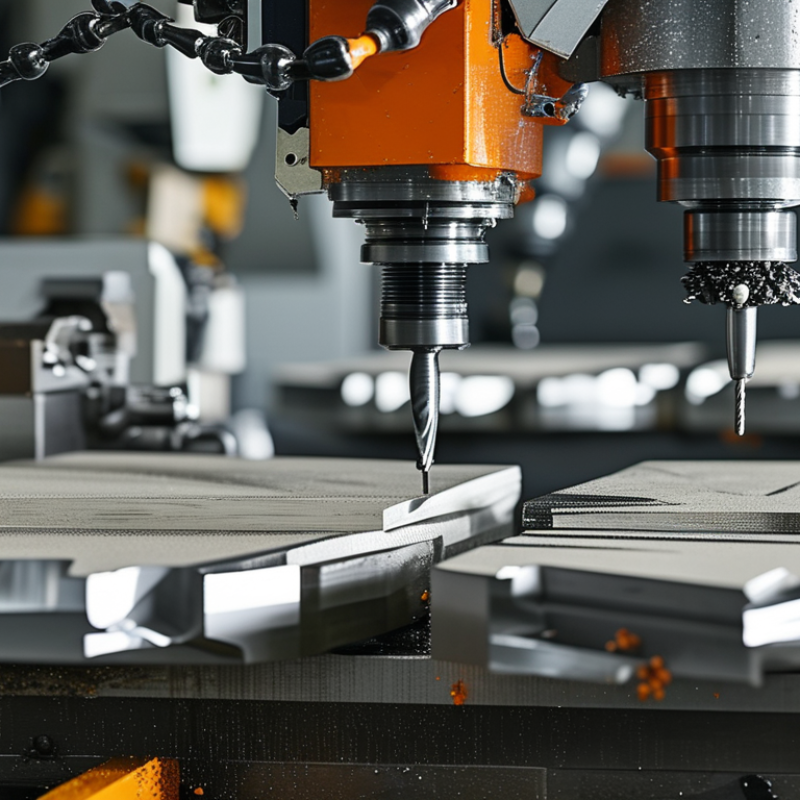
Chinese CNC machines cover several practical categories. The best choice depends on the part, tolerance, and production volume. Three-axis machining centers suit plates, brackets, and housings. They offer familiar setups and lower operating complexity. Five-axis centers reach angled surfaces with fewer setups. That can reduce clamping errors, but programming requires stronger technical skills. CNC turning centers handle shafts, pins, and round components efficiently. Live tooling adds milling operations without moving the workpiece.
CNC routers are useful for wood, plastics, aluminum sheets, and composite panels. They need rigid frames for serious metal cutting. Wire electrical discharge machines produce precise profiles in hardened conductive materials. Cutting is slower, yet edge quality can be excellent. Some machines look similar online. Their actual performance may differ sharply. Check spindle runout, axis backlash, positioning accuracy, and thermal stability. Ask for inspection records, test-cut videos, and dimensional reports from calibrated instruments. A factory visit can reveal assembly discipline, cleanliness, and operator training.
Machine selection should begin with drawings, materials, tolerances, and expected cycle time. A cheaper machine may create higher costs through scrap and maintenance. One practical mistake is underestimating chip evacuation during deep-pocket machining. Better coolant control may become necessary. Reliable suppliers explain limitations instead of promising every capability. Verify electrical specifications, software compatibility, spare-part access, and service response before ordering. Acceptance testing should use your actual material and representative parts.
Comparing Chinese CNC Milling Machines, Lathes, and Routers
Chinese CNC machines now cover three practical categories: milling machines, lathes, and routers. Their value depends on material, tolerance, and production volume. Fortune Business Insights valued the global CNC machine market at approximately USD 83.65 billion in 2023. China remains one of the largest manufacturing bases within this market.
CNC milling machines suit steel, aluminum, and complex parts with pockets or angled surfaces. They usually offer better rigidity and repeatability than routers. A 2023 report from the China Machine Tool Industry Association indicated continued demand for high-end machining equipment and automated production lines. Buyers should check spindle power, axis accuracy, thermal stability, and controller support. A heavy cast frame matters. It reduces vibration during deep cuts.
CNC lathes are efficient for shafts, bushings, and threaded components. They remove material quickly from round stock. CNC routers are more suitable for wood, plastics, composites, and sheet materials. Their larger work areas are useful, but lighter frames can reduce precision in metal cutting. Grand View Research expects the global CNC machine market to expand strongly through 2030, driven by automation and labor shortages. Still, market forecasts are not shop-floor guarantees. In my experience, an inexpensive machine can perform well after careful leveling, tooling, and maintenance. That assumption can fail. Request test cuts, inspect sample tolerances, and verify service response before ordering. Reliability is measured in finished parts, not brochure specifications.
Exploring CNC Plasma, Laser, and Waterjet Cutting Machines
China-made CNC cutting machines now cover three practical paths: plasma, laser, and waterjet. Choosing well depends on material, thickness, tolerance, and workshop conditions. In factory trials, operators often compare cut edges, setup time, and maintenance effort rather than catalog speed. This approach is more reliable.
CNC plasma cutters suit carbon steel, stainless steel, and aluminum sheets. They cut quickly, especially on medium and heavy plate. A visible heat-affected zone remains, so thin parts may need deburring. Fume extraction is essential. Laser cutters produce narrow kerfs and clean details on thin metal, sheet parts, and some tubes. They need stable power, careful focus, and clean optics. Small errors become expensive quickly. Fiber systems can be efficient, but reflective materials require suitable settings and experienced operation.
Waterjet machines use pressurized water and abrasive to cut metal, stone, glass, and composite panels. They create little thermal distortion, which helps with heat-sensitive work. Cutting is slower, and abrasive disposal adds operating cost. Chinese suppliers can offer strong value, but buyers should verify cutting-head quality, software compatibility, training, spare-part access, and documented test results. Ask for samples using your actual material. A polished demonstration can hide weak after-sales support. I would also inspect electrical standards and safety guarding before purchase; these details are easy to overlook. A machine may look impressive and still fit the wrong production rhythm.
What Are the Best Types of CNC Machines from China?
Comparing CNC plasma, laser, and waterjet cutting machines by representative mild-steel cutting thickness
Waterjet machines generally handle the greatest material thickness and produce no heat-affected zone. CNC plasma is well suited to fast cutting of medium and thick steel, while CNC laser machines typically provide the narrowest kerf and highest precision on thin-to-medium sheet metal. The values shown are representative practical capacities and vary according to machine power, material grade, nozzle or cutting-head configuration, and processing conditions.
Matching CNC Machine Types to Materials and Production Needs
What Are the Best Types of CNC Machines from China?
Matching CNC Machine Types to Materials and Production Needs
Choosing a CNC machine should begin with the material, not the machine’s advertised axis count. For aluminum brackets, a three-axis vertical machining center often provides stable cutting, easy setup, and practical accuracy. Steel parts may need a rigid frame, high torque, and effective coolant control. Cutting speed alone can mislead buyers. Heat, vibration, and tool wear matter more during long production runs.
CNC routers suit wood, acrylic, foam, and some plastics. Their larger worktables help with panels, signs, and cabinet components. However, a router may struggle with dense metals and tight tolerances. CNC lathes are better for shafts, bushings, threaded parts, and other rotational components. A turning center with live tooling can reduce handling when milling features are also required.
Complex aerospace-style surfaces may justify a four-axis or five-axis machine. These systems reach multiple faces with fewer setups, which can improve consistency. They also demand stronger programming skills and more careful inspection. I have seen small workshops buy advanced machines before confirming their actual workload. That choice created unused capacity and complicated maintenance. Start with sample parts, target tolerances, batch size, and available operators. Ask for cutting tests using your actual material. A machine that performs well on aluminum may behave differently with stainless steel. Good selection is rarely perfect on the first attempt.
Evaluating Accuracy, Automation, Cost, and Supplier Support
Choosing a CNC machine from China starts with the workpiece, not the catalogue. A three-axis machining center suits plates, brackets, and routine milling. A five-axis model reaches angled surfaces with fewer setups, improving consistency. For shafts, a CNC lathe or turning center may deliver better value. Routers fit sheet materials, but they are not ideal for hardened steel. Accuracy depends on more than stated resolution. Check test cuts, thermal control, spindle runout, repeatability, and inspection records.
Automation changes labor needs and process stability. Tool changers, probing, chip management, and bar feeders can reduce interruptions. Robotic loading helps high-volume production, yet it adds integration costs. Ask whether operators can adjust programs without complicated software barriers. A machine that stops often is expensive, even when its purchase price looks attractive. I have seen buyers focus on micron claims and overlook fixture quality. That mistake can erase theoretical accuracy.
Cost evaluation should include installation, training, tooling, maintenance, electricity, and shipping. Request a clear warranty process and realistic spare-parts lead times. Supplier support matters most after acceptance, when alarms appear at 6 a.m. A reliable supplier provides manuals, remote diagnostics, training, and measurable response times. Ask for references using similar materials and tolerances. Do not accept polished videos as proof. Require sample parts and documented inspection data. Some quotations still hide essential options. Read every line. The final choice may be less automated, but easier to maintain locally. This is not always the cheapest path.
Related Posts
-
Ultimate Guide to Selecting the Best CNC Lathe Machine for Your Business Needs
-
How to Choose the Best CNC VMC Machine for Your Needs?
-
Navigating the Future: 2025 Market Insights and How to Choose the Best Basic CNC Machine
-
Unlocking Your CNC Aluminium Machine Potential 5 Essential Tips for Global Buyers
-
Top Strategies for Choosing the Best CNC Milling Machine for Your Business Needs
-
How to Choose the Right Metal CNC Machine for Your Business Needs