2026 Best Types of CNC Machine to Know for Your Projects?
The world of CNC machinery is diverse and complex. According to expert Michael Johnson, “Understanding the types of CNC machine is crucial for success in any project.” In 2026, knowing the best types of CNC machines can define the outcome of your manufacturing needs. Each machine offers unique capabilities.
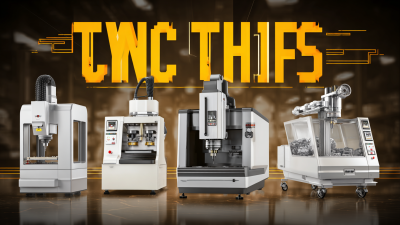
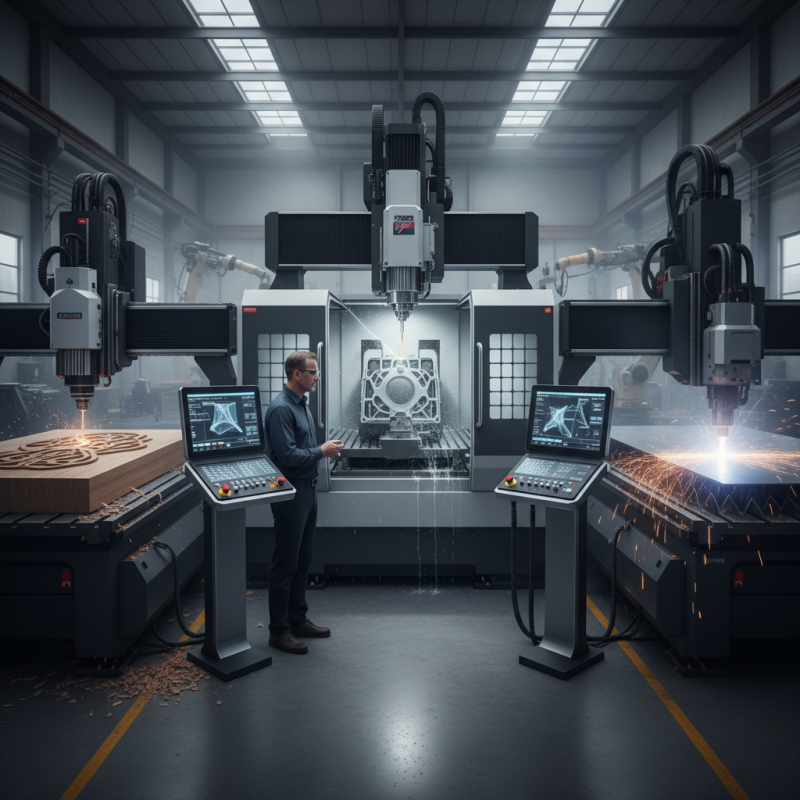
CNC routers, mills, and plasma cutters stand out among various options. A CNC router is perfect for intricate designs. It cuts through wood, plastic, and soft metals. Meanwhile, CNC mills excel in precision. They are ideal for creating complex parts from tougher materials. Plasma cutters rapidly slice through metal sheets. Each of these machines serves a distinct purpose and shapes project outcomes in significant ways.
Selecting the right type of CNC machine requires careful thought. Some users may prioritize speed, while others focus on precision. Each choice has trade-offs. It’s critical to evaluate project requirements to avoid mistakes. Understanding the types of CNC machine can lead to better decisions and improved results. This knowledge empowers makers to create efficiently and effectively.
Understanding CNC Machines: An Overview of Various Types
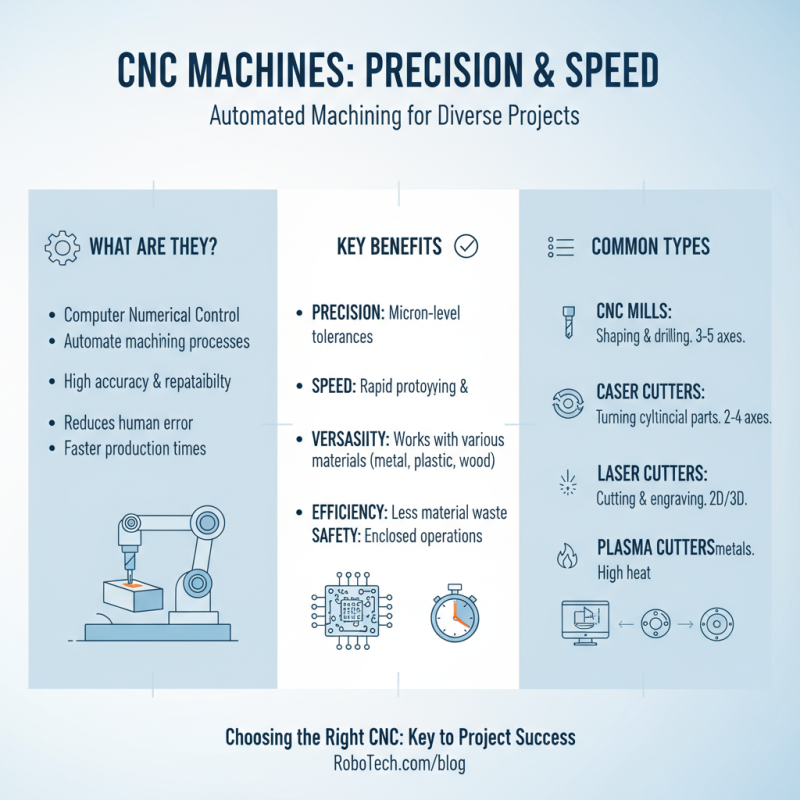
CNC machines, or Computer Numerical Control machines, are essential for many projects. They automate machining, providing precision and speed. Understanding the different types is key to choosing the right one for your needs.
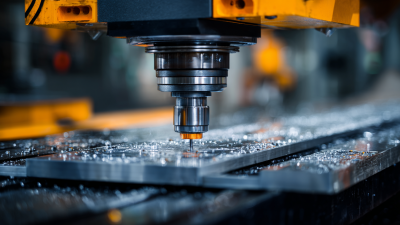
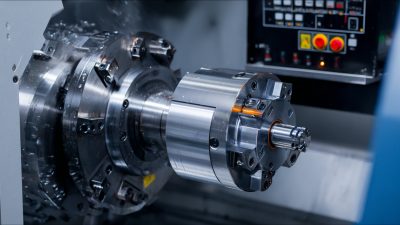
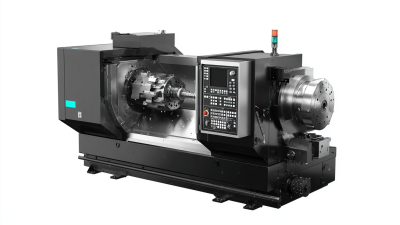
There are various CNC machines to explore. CNC milling machines cut materials with rotating tools. They are great for intricate designs. CNC lathes, on the other hand, shape materials by rotating them against cutting tools. This method is effective for cylindrical parts. Plasma cutters use high-temperature plasma to cut through metals. They are fast and ideal for sheet metal work.
While these machines are powerful, they come with challenges. Operating them requires training and understanding of programming. Mistakes can lead to wasted materials and time. Proper maintenance is crucial, as wear and tear can affect precision. Investing in CNC technology is worthwhile, but it demands careful consideration and skill development.
Key Features to Consider When Choosing a CNC Machine
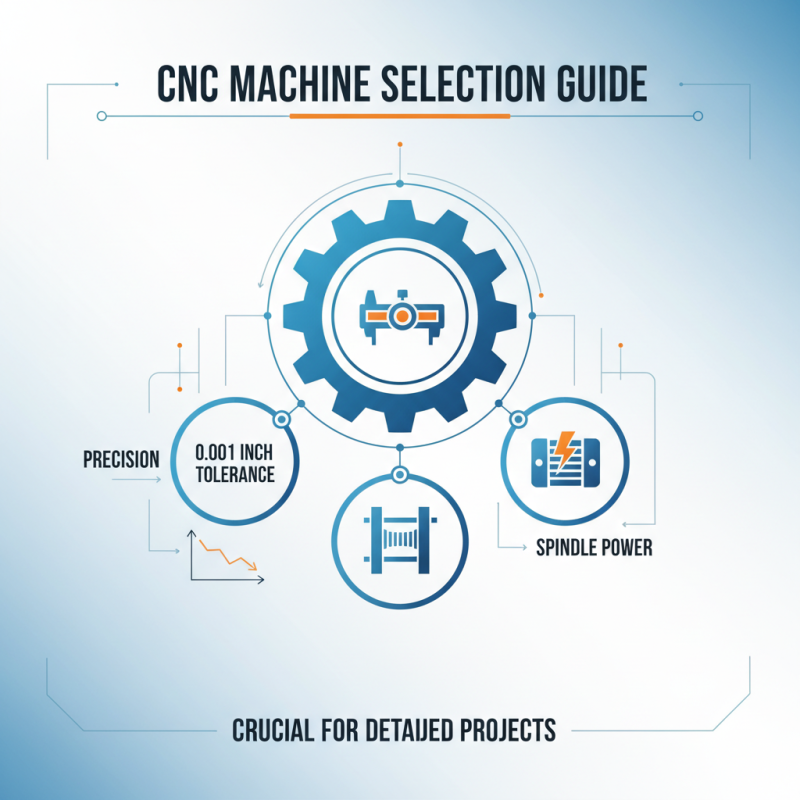
When selecting a CNC machine, several key features deserve attention. The machine's precision is crucial. A study from the National Institute of Standards and Technology reports that high-precision CNC machines can achieve tolerances as tight as 0.001 inches. This level of accuracy is essential for detailed projects.
Another important consideration is the material compatibility. Different CNC machines are designed to work with specific materials. For instance, some machines excel with soft metals, while others handle plastics better. Poor material choice can lead to subpar results and wasted resources. Ultimately, understanding material specifications can dramatically impact your project efficiency.
Software integration is another critical aspect. CNC machines need user-friendly software for programming. The right software can facilitate design modifications. However, some systems may require extensive training. This learning curve can hinder immediate productivity. Reflecting on these factors can lead to more informed decision-making for your machining projects.
Popular CNC Machine Types for Different Project Needs
CNC machines come in various types, each serving unique project needs. Understanding these can elevate your craftsmanship. For woodworkers, router CNCs are ideal. They cut through wood seamlessly, offering precision and versatility. Metal enthusiasts may prefer milling machines. These machines handle metals efficiently, creating intricate designs with ease.
Laser cutters stand out for their ability to etch and engrave materials. They are perfect for creating detailed artwork or small components. A CNC plasma cutter is another option for thicker materials. It cuts through steel and other metals while providing clean edges.
**Tips:** Choose the right machine based on your project’s requirements. Measure your workspace carefully before purchasing. Consider the cost of maintenance and tools. It’s important to reflect on the learning curve when using advanced machines. Practice and patience are key for mastering any CNC technology. Investing time in understanding each type will benefit long-term projects.
2026 Best Types of CNC Machine to Know for Your Projects
| CNC Machine Type |
Best For |
Material Compatibility |
Applications |
| CNC Milling Machine |
Precision machining |
Metal, Wood, Plastic |
Component production, prototypes |
| CNC Router |
Large-scale cutting |
Wood, Composites, Foam |
Furniture making, Signage |
| CNC Laser Cutter |
Detail engraving and cutting |
Wood, Acrylic, Leather |
Art, Decorative items |
| CNC Plasma Cutter |
Metal fabrication |
Steel, Aluminum |
Metal art, Industrial parts |
| CNC 3D Printer |
Rapid prototyping |
Plastic, Resin |
Model making, Custom parts |
Advancements in CNC Technology: What to Expect in 2026
As we move toward 2026, advancements in CNC technology promise to revolutionize manufacturing. New machine designs will boost efficiency and precision. Smart CNC machines will utilize AI for real-time adjustments, optimizing processes on the fly. This means fewer errors and reduced waste, enhancing productivity significantly.
We can also expect an increased focus on automation. Collaborative robots will work alongside CNC machines. These robots can handle repetitive tasks, freeing human workers for more complex roles. This shift raises questions about workforce skills. Are industries ready for this change? Adapting workforce training might reveal gaps in existing skill sets, creating a need for continuous learning.
The development of materials will also enhance CNC capabilities. New composites and alloys will allow for more intricate designs. Yet, these materials may pose challenges in machining. Increased material costs and the learning curve for new processes could hinder progress. Balancing innovation and practicality will be crucial for successful integration.
Tips for Selecting the Right CNC Machine for Your Specific Projects
Choosing the right CNC machine requires careful consideration. Start by identifying your project's specific needs. Are you cutting, engraving, or milling? Each function demands different features. Think about the size of your materials. Larger projects require machines with bigger workspaces. Smaller ones are more manageable but can limit creativity.
Next, consider the machine's capabilities. Some devices handle multiple materials, while others excel in a specific area. If your project requires versatility, choose a multi-functional CNC machine. If you focus on precision, a dedicated model might be better.
Evaluate your budget. High-end machines offer advanced features but may exceed your financial plan. It’s essential to weigh performance against cost. Remember to review user feedback and community recommendations. This insight often reveals strengths and weaknesses. Balancing your needs with available options can be challenging. Embrace that uncertainty; it's part of the process.
2026 Best Types of CNC Machines for Your Projects