What are the Benefits of Using Wave Springs in Manufacturing?
Wave Springs have become increasingly popular in manufacturing. Their unique design provides several advantages that traditional springs cannot match. These springs are compact, which allows for more efficient use of space in assemblies. Their design also accommodates higher loads while maintaining a lightweight profile.
In industries such as automotive and aerospace, Wave Springs contribute to reducing overall weight. This is crucial for enhancing fuel efficiency. Additionally, their ability to deliver consistent force over a range of motions makes them reliable for various applications. While these benefits are significant, it is important to consider the limitations of Wave Springs, such as specific load capacities or installation challenges.
Understanding the role of Wave Springs can lead to better design decisions. Manufacturers must weigh these benefits against their unique requirements. Each application is different, and what works in one scenario may not suit another. This reflection on the use of Wave Springs is essential for optimizing performance.
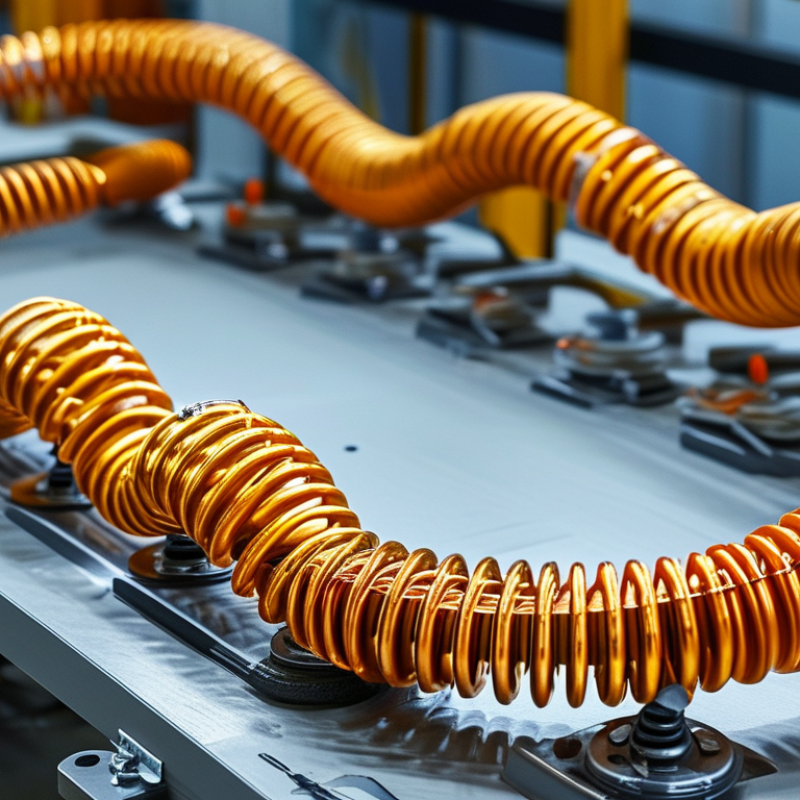
Advantages of Wave Springs in Space Optimization
Wave springs offer significant benefits when it comes to space optimization in manufacturing. Unlike traditional coil springs, wave springs have a unique design that allows them to occupy less space while providing a reliable spring force. This compact design is particularly advantageous in environments where space is at a premium, such as in aerospace applications. According to a recent industry report, manufacturers using wave springs have reported a space savings of up to 50% compared to conventional springs.
The ability to utilize wave springs effectively leads to not only reduced dimensions but also improved performance in various assemblies. Engineers can design equipment with tighter tolerances and smaller footprints. For instance, in automotive applications, wave springs can replace bulkier components, reducing overall weight. This weight reduction can enhance fuel efficiency and performance. A study from a leading engineering journal indicated that utilizing wave springs in automotive design can yield weight savings of approximately 10% in suspension systems.
Furthermore, wave springs contribute to manufacturing efficiency. Fewer materials are needed for every spring, which can lower costs. However, some manufacturers face challenges in integrating wave springs into existing designs. Engineers may need to adjust their systems to accommodate this technology. This transition requires careful planning, which can complicate initial projects. The learning curve might temporarily slow down production, but the long-term gains in efficiency and space utility are notable.
Enhanced Load Capacity of Wave Springs in Manufacturing
Wave springs are gaining attention in manufacturing for their enhanced load capacity. These springs utilize a unique design. They consist of wave-like shapes, allowing for better energy storage. This design can handle higher loads than traditional coil springs. As a result, they are ideal for applications where space is a concern. The compact design maximizes load-bearing potential without sacrificing performance.
One essential tip when using wave springs is to understand the load requirements of your application. It's crucial to match the spring's specifications with the operational demands. Overloading a wave spring can lead to premature failure. Another point to consider is the material used for the wave springs. Choosing the right material can further enhance their load capacity and durability.
Manufacturers often face challenges with inconsistent performance. Ensuring proper installation can mitigate these issues. Regular inspections can help identify wear and tear early. This proactive approach boosts reliability and longevity. Consider including wave springs in your design to achieve superior performance and efficiency.
Cost-Effectiveness of Wave Springs Compared to Traditional Springs
Wave springs offer unique advantages in manufacturing, particularly in terms of cost-effectiveness when compared to traditional springs. A recent report indicates that wave springs can reduce overall assembly costs by up to 30% due to their lower material requirements and lighter weight. This reduction can significantly affect product pricing, making it essential for manufacturers to consider wave springs as viable alternatives.
Moreover, wave springs minimize the space needed in assemblies. They can fit into tighter spaces while providing comparable load and deflection capabilities to traditional coil springs. A study from the International Journal of Mechanical Engineering highlighted that wave springs require approximately 40% less axial space than conventional springs. This can lead to more compact designs and potentially lower shipping costs.
However, there are areas that require careful consideration. The manufacturing process of wave springs can be more complex. This may lead to higher initial production costs and require advanced tooling. Additionally, engineers need training to understand the unique properties of wave springs fully. These factors can present challenges, but the long-term savings and performance benefits often outweigh them. Addressing these complexities is important for optimizing production efficiency.
Reduced Noise and Vibration with Wave Springs in Industrial Applications
Wave springs have become a crucial element in addressing noise and vibration issues across various industrial applications. These springs are designed with unique wave shapes, allowing them to provide consistent force with minimal space. This design results in reduced mechanical noise, which can often lead to worker fatigue and decreased productivity. A recent study indicated that machinery equipped with wave springs showed a significant reduction in noise levels—up to 30%—compared to traditional coil springs. This reduction not only creates a quieter work environment but also enhances the longevity of the equipment.
In addition to noise reduction, wave springs effectively dampen vibrations. Excessive vibrations can lead to mechanical wear and operational inefficiencies. By employing wave springs, manufacturers often experience less machine downtime. A report from Manufacturing Insight revealed that facilities using wave springs reported a 15% drop in maintenance costs over three years, highlighting the springs' role in promoting reliability.
Tips: Regularly inspect wave springs for signs of wear. Incorporating vibration analysis can help identify issues early. Consider consulting with an expert to evaluate your specific needs and optimize spring selection. Prioritize quality to ensure your manufacturing processes remain efficient and reliable.
Versatility of Wave Springs Across Different Manufacturing Industries
Wave springs are increasingly recognized for their versatility in various manufacturing industries. They can be used in automotive, electronics, and medical devices, among others. The compact design of wave springs offers significant advantages. For instance, they can help reduce space while providing excellent load-bearing capabilities.
In automotive applications, wave springs can be found in suspension systems and transmission parts. Their ability to absorb shocks and vibrations is crucial for vehicle performance. In electronics, wave springs ensure consistent pressure in switches and connectors. This reliability is essential for device longevity. In the medical field, they are used in equipment requiring sterile environments, showcasing their adaptability.
However, some challenges remain. Proper selection of materials is vital to ensure compatibility with the application environment. Sometimes, users may overlook the specific requirements for spring loading and deflection. This oversight can lead to performance issues. The need for continuous improvement in design and implementation is evident. Each industry can benefit from tailored solutions that enhance safety and efficiency.