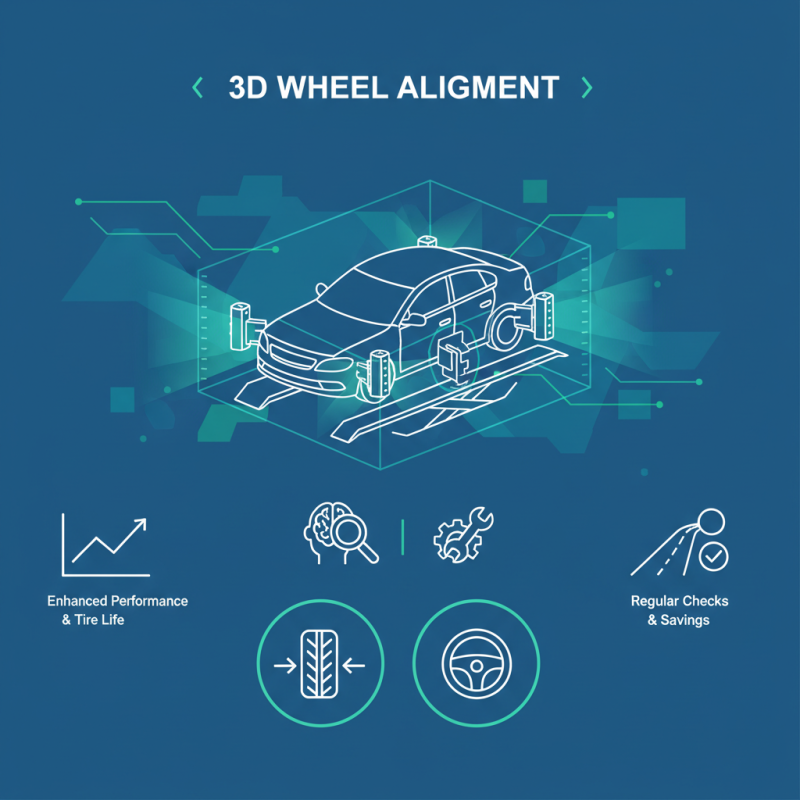
How to Achieve Perfect 3D Wheel Alignment for Your Vehicle?
Achieving perfect 3d Wheel Alignment is crucial for your vehicle's performance. Accurate alignment enhances tire life and improves handling. However, many overlook this important maintenance step.
When we talk about 3D wheel alignment, precision is key. This technique uses advanced technology to measure angles and positions of your wheels. Yet, improper settings can lead to uneven tire wear. Sometimes, a minor adjustment can make a significant difference.
Not all alignments are created equal. Relying solely on a machine isn’t enough; the technician’s experience is vital. Even the best equipment can’t replace human judgment. Learn to recognize signs of misalignment, such as uneven tires or a pulling steering wheel. Regular checks can save you headaches down the road.
Understanding the Basics of 3D Wheel Alignment
3D wheel alignment is crucial for vehicle performance. It ensures that your wheels are correctly positioned relative to each other and the road. Proper alignment improves tire life, handling, and fuel efficiency. However, understanding the basics is essential to appreciate its impact.
The process involves measuring angles such as camber, caster, and toe. These angles directly influence how your vehicle drives. Camber refers to the tilt of the wheels. If they lean outward or inward, it can cause uneven tire wear. Caster affects steering stability. A proper caster angle provides better control. Toe measures how much the wheels point in or out. Misalignment can lead to unnecessary drag.
It's not uncommon to overlook the signs of misalignment. Uneven tire wear or a pulling sensation in the steering wheel may be unnoticed. Many drivers delay checks, thinking it's not urgent. This can lead to larger issues down the road. Regular inspections are key to preventing such pitfalls. Awareness and understanding can bridge the gap to a better driving experience.
Tools Required for Perfect 3D Wheel Alignment
Achieving perfect 3D wheel alignment requires the right tools. Precision is essential in this process. A reliable 3D alignment machine is vital. This device uses cameras and sensors to measure angles accurately. Studies show that proper alignment can improve fuel efficiency by up to 10 percent. This is crucial given the rising fuel prices.
Other necessary tools include a leveling tool and a torque wrench. The leveling tool ensures the vehicle is on a flat surface. A torque wrench guarantees that all bolts are tightened to specifications. These tools minimize the risk of errors during the alignment process. This is where small mistakes can lead to significant issues later. For instance, misaligned wheels can lead to uneven tire wear.
Tip: Always inspect your tires for wear. Uneven wear can indicate misalignment. Reassessing your tools regularly is also essential. Are they accurate and well-maintained? An overlooked tool can throw off your alignment entirely. Regular checks will highlight any discrepancies. They help ensure your equipment remains reliable for future alignments. A well-aligned vehicle drives smoother, provides better handling, and enhances safety on the road.
3D Wheel Alignment Tools Required
This bar chart illustrates the various tools required for achieving perfect 3D wheel alignment. Each tool is crucial for precise measurements and adjustments to ensure optimal vehicle handling and safety.
Step-by-Step Procedure for Performing 3D Wheel Alignment
Achieving perfect 3D wheel alignment is crucial for vehicle performance. A step-by-step approach can help ensure accuracy. Regular alignment checks can prevent uneven tire wear and enhance overall handling. Research indicates that misalignment can reduce tire life by up to 25%. This loss translates to significant costs for vehicle owners.
Begin by preparing the vehicle. Ensure it is on a flat surface. Check tire pressure; under-inflated tires can skew alignment readings. Next, secure the vehicle on the alignment machine. The machine should be calibrated correctly. This is vital; even minor errors can lead to incorrect adjustments.
Every minor detail matters. Double-check the toe, camber, and caster settings. The goals are precise angles for optimal performance. Many mechanics overlook small deviations. A mere 1-degree misalignment can affect fuel efficiency by 10%. Aim for the manufacturer’s specifications. It may require multiple adjustments to get everything perfect. Reflection is essential: if something looks off, it probably is.
Common Issues and Troubleshooting Tips in Wheel Alignment
Achieving perfect 3D wheel alignment for your vehicle is crucial for optimal performance and tire longevity. Common issues often arise during this process. A study by the Tire Industry Association found that improper alignments can lead to a 25% decrease in tire lifespan. This highlights the importance of regular assessments.
Incorrect camber, toe, and caster angles are frequent culprits. For instance, a misaligned toe can cause tires to drag against each other, increasing wear. Drivers should watch for symptoms like uneven tire wear or pulling to one side. Addressing these issues early can save you from costly replacements.
Tips: Regularly check tire pressure. Under-inflated tires can lead to misalignment. Additionally, make adjustments after hitting a significant pothole. Even minor damages can affect alignment.
Many overlook minor vibrations. These can indicate alignment issues. It’s best to have a professional inspect your vehicle if you notice consistent vibrations at certain speeds. Regular check-ups can prevent more significant alignment problems down the road.
Benefits of Regular 3D Wheel Alignment for Vehicle Performance
Regular 3D wheel alignment plays a vital role in vehicle performance. According to a study by the Consumer Reports National Research Center, misalignment can lead to a 10% increase in tire wear. This means that your tires could wear out sooner, costing more in replacements. Proper alignment ensures that the vehicle drives straight and the tires make even contact with the road.
Another benefit of regular 3D wheel alignment is improved fuel efficiency. The U.S. Department of Energy reports that misaligned wheels can reduce gas mileage by up to 15%. This loss can add up over time, significantly affecting your overall expenses.
Tips: Check your alignment once a year. Look for signs like uneven tire wear or a steering wheel that isn’t centered. Keeping your alignment in check saves money and enhances safety. Overall, a well-aligned vehicle provides a smoother ride and better handling. Remember, neglecting it can lead to costly repairs later on.
How to Achieve Perfect 3D Wheel Alignment for Your Vehicle? - Benefits of Regular 3D Wheel Alignment for Vehicle Performance
| Dimension | Measurement Before Alignment | Measurement After Alignment | Improvement (%) |
| Toe Angle | 0.5° Out | 0.1° Neutral | 80% |
| Camber Angle | -1.5° | -0.5° | 66.7% |
| Caster Angle | 3.0° | 4.0° | 33.3% |
| Steering Axis Inclination | 10.0° | 11.5° | 15% |
| Tire Wear Rate | 30,000 miles | 50,000 miles | 66.7% |